As winter tightens its grip and water temperatures plummet into the 40s and 30s, most anglers pack away their tackle and wait for spring. However, some of the most consistent and rewarding fishing occurs during these frigid months. Bass do not stop eating when the temperature drops; they simply relocate to stable environments and slow down their activity levels. To target them effectively, you must adapt your approach. This is where deep water bass fishing shines, offering a pathway to target concentrated schools of inactive fish.
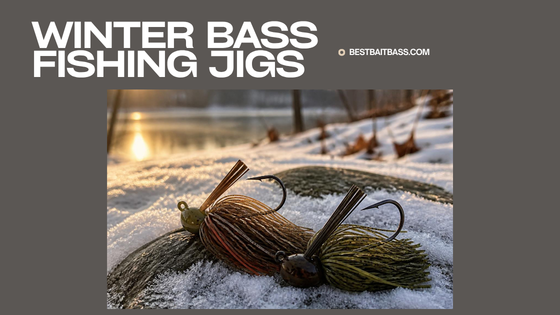
The secret to success in freezing conditions lies in the vertical plane. When bass suspend over deep structure or hug the bottom of channel swings, casting and retrieving horizontal baits becomes highly inefficient. Instead, vertical jigging for bass allows you to keep your lure directly in the strike zone for extended periods, enticing lethargic fish that refuse to chase a fast-moving meal. In this comprehensive guide, we will break down the essential cold water bass techniques, analyze the best winter bass fishing jigs, and explore the exact tactics needed to master this lethal winter presentation.
Understanding Winter Bass Behavior in Deep Water
In winter, largemouth, smallmouth, and spotted bass seek thermal stability. Shallow water is subject to rapid temperature fluctuations caused by winter winds and cold fronts, whereas deep water reservoirs and lakes remain relatively stable. Bass migrate along underwater highways to reach deep river channels, main lake points, roadbeds, and steep ledges. Understanding these migration routes is the foundation of successful winter angling.
The Winter Thermocline and Water Temperatures
As the surface water cools, it becomes denser and sinks, a process known as lake turnover. Eventually, the water column stabilizes, and bass find comfort in deeper pockets where the water is slightly warmer—often around 39 to 44 degrees Fahrenheit. At these depths, their metabolic rate drops dramatically. They will not chase fast-moving lures, making slow, vertical presentations absolute necessities for success.
Locating Winter Bass on Electronics
Modern electronics are your greatest asset for deep water bass fishing. Use your side-imaging and down-imaging sonar to scan deep structural transitions. Look closely for schools of baitfish, such as shad or herring. Where there is bait, bass are never far behind. Look for arches holding tight to the bottom or suspended just beneath the bait balls. Once you locate these fish, position your boat directly over them to initiate a vertical attack.
Selecting the Perfect Winter Bass Fishing Jigs
Having the right lure is crucial when the bite is tough. Winter bass are notoriously picky, requiring either a highly realistic, subtle presentation or an aggressive, reaction-inducing flash. Choosing between these options depends on water clarity, depth, and the activity level of the fish.
Heavy Metal: Jigging Spoons vs. Blade Baits
When bass are actively feeding on dying shad in deep water, metal lures are incredibly effective. A classic chrome jigging spoon mimics a fluttering, dying baitfish as it falls through the water column. Blade baits, on the other hand, emit a tight, high-frequency vibration when lifted, triggering aggressive reaction strikes from otherwise lethargic bass.
Subtle Action: Hair Jigs and Football Jigs
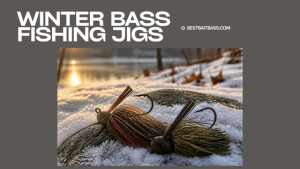
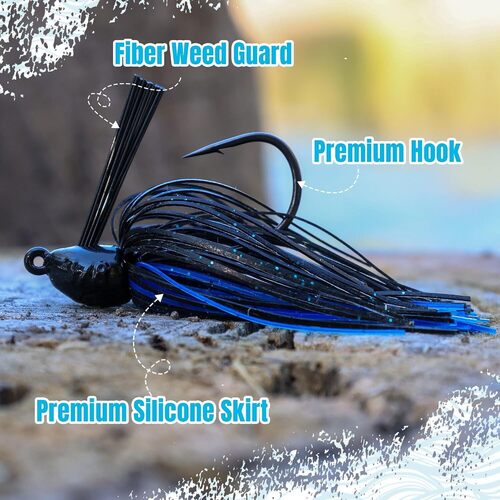
When the bite is exceptionally slow, synthetic or natural hair jigs (such as marabou or bucktail) provide a lifelike, breathing action even when held completely still. Traditional football jigs with a slow-moving craw trailer also excel when fished along deep rocky bottoms, dragging slowly through the cold water to mimic sluggish winter crawfish.
| Jig Type | Ideal Depth | Action Level | Target Bait Mimic | Best Structure |
|---|---|---|---|---|
| Jigging Spoon | 30 – 60 feet | High (Fluttering) | Dying Shad / Herring | Deep Ledges & Humps |
| Blade Bait | 20 – 45 feet | High (Vibration) | Stressed Baitfish | Channel Swings |
| Hair Jig | 15 – 35 feet | Very Low (Breathing) | Minnows & Insects | Rock Piles & Gravel |
| Football Jig | 15 – 40 feet | Low (Crawling) | Crawfish | Main Lake Points |
Mastering the Vertical Jigging Presentation
Success with vertical jigging for bass requires extreme patience and precision. Unlike traditional casting, vertical jigging is a game of inches, played out directly beneath your boat’s transducers. Your main objective is to keep your bait directly in front of the fish’s nose without overworking it.
The Yo-Yo Technique
The yo-yo technique is the standard method for fishing spoons and blade baits. Drop your lure down to the depth where you see fish on your sonar. With a controlled motion, lift your rod tip 12 to 24 inches, then let the bait flutter back down on a semi-slack line. Most bites occur on the fall, so pay close attention to any sudden slack or a slight “tick” in your line.
The Deadstick Method
On days when the weather is brutal and the bass are extremely inactive, the deadstick method is unmatched. Lower a hair jig or a small jigging spoon down to the target depth and hold it completely still. The subtle currents in the water and the natural movement of your boat will give the lure just enough life to coax a bite from a stubborn bass.
Detecting the Subtle Winter Bite
Winter bites are rarely aggressive. You will not feel a violent strike; instead, you might feel a slight weightlessness, a faint pressure, or your line might simply stop sinking. Constantly monitor your line where it enters the water and use your electronics to watch how fish react to your bait in real-time.
Gear and Tackle Setup for Deep Water Jigging
To successfully land deep-water monsters in freezing weather, your tackle must be finely tuned. Cold hands and deep water make sensitivity your number one priority.
Rod Selection: Sensitivity is Key
A medium to medium-heavy power rod with a fast or extra-fast action is ideal for vertical jigging. The fast action allows for quick hook sets in deep water, while the sensitive tip ensures you feel even the lightest winter bites. A spinning rod is often preferred for lighter hair jigs, while a baitcasting setup works best for heavy spoons and football jigs.
Line Choices: Fluorocarbon vs. Braided Lines
Line selection can make or break your winter fishing trip. Fluorocarbon is excellent because it sinks quickly, is virtually invisible in clear winter water, and has minimal stretch. Alternatively, a main line of thin braided line paired with a long fluorocarbon leader offers the ultimate combination of sensitivity and strength, ensuring you feel every minor interaction deep below.
Conclusion
Deep water jigging for winter bass is a test of patience, precision, and adaptation, but the rewards are well worth the effort. By understanding how bass behave in cold conditions, selecting the right winter bass fishing jigs, and mastering vertical presentations, you can turn the coldest days of the year into your most successful outings. Remember to bundle up, monitor your electronics closely, and keep your presentation vertical to dominate the deep water this winter.