• Skip to primary navigation
  • Skip to main content
  • Skip to primary sidebar
  • Crankbait
  • Spinnerbaits
  • Jigs
  • Swimbaits
  • Topwater lures
  • Jerkbaits
  • Worms

Best Bait For Bass

Best Bass Baits, Lures - Best Spinning Reels - Best Rods and Best Lines for Bass. Everything for Bass Fishing


  • Home
  • Bass Baits and Lures
  • Shop

Bass Baits and Lures

Topwater Walking Baits: Mastering the ‘Walk the Dog’ Retrieve

July 29, 2026 By best bait bass

There is nothing quite as electrifying in the sport of bass fishing as the moment a lunker erupts from the depths to annihilate a lure skittering across the surface. Topwater bass fishing is more than just a technique; it is a visceral experience that tests a angler’s nerves and reflexes. Among the various topwater presentations, the ‘walk the dog’ retrieve stands out as the gold standard for triggering aggressive strikes from both active and neutral fish.

Mastering this erratic, side-to-side motion requires patience, practice, and the right equipment. Whether you are a weekend warrior or a tournament professional, understanding how to manipulate your lure to mimic a distressed baitfish is a skill that will consistently put more bass in the boat throughout the warmer months of the year.

walk the dog fishing

The Art of Topwater Bass Fishing

Fishing topwater lures requires a departure from traditional bottom-bouncing tactics. Instead of waiting for a subtle tick on your line, you are hunting for reaction strikes. When you employ the best topwater retrieve, you are essentially daring a bass to strike. The sight of a fish crashing the surface is addictive, but it requires the angler to maintain composure, waiting until the weight of the fish is felt before setting the hook.

Why Walking Baits Dominate

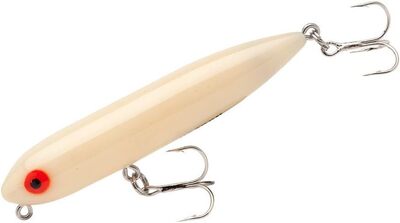
Walking baits, often referred to as cigar-shaped topwaters, are designed to glide in a zig-zag pattern. This motion is difficult for bass to ignore because it mimics a dying or fleeing baitfish perfectly. Unlike poppers, which create significant surface disturbance, walking baits can be worked with a subtle rhythm or a frantic pace to match the mood of the fish.

Walk the Dog Lure

Check Price

Understanding the Walk the Dog Retrieve

To effectively walk the dog, you must create a rhythmic cadence between your rod tip and your reel. The retrieve is achieved by twitching your rod tip downward in short, controlled snaps while simultaneously reeling in the slack created by each twitch.

Troubleshooting Your Rhythm

Many beginners struggle with the lure either spinning in circles or failing to move side-to-side. The key is the slack. If you keep the line too tight, the lure will travel in a straight line toward the boat. If you manage the slack properly, the lure snaps from left to right, covering water effectively. It is recommended to start slow, focusing on the twitch-pause-twitch rhythm rather than speed. Speed comes naturally once you develop muscle memory.

Comparison of Topwater Lure Styles

Lure Category Primary Action Best Condition Sound Profile
Walking Bait Side-to-side Glide Calm to Light Chop Knocker/Rattle
Popper Cup-face Splash Calm/Targeted Cover Loud Pop
Prop Bait Spinning Propeller Overcast/Low Light Constant Whir

Essential Gear for Topwater Success

Your rod, reel, and line choice play a massive role in how well your lure performs. A rod that is too soft will absorb the energy of your twitches, making it impossible to walk the lure correctly. Conversely, a rod that is too stiff may cause you to rip the hooks out of the fish’s mouth on the set.

Rod and Line Selection

A medium-heavy power rod with a fast action is ideal for most walking baits. This provides enough backbone to cast long distances while keeping enough tip sensitivity to twitch the lure effectively. Regarding line, monofilament is often preferred over fluorocarbon for topwater. Because monofilament floats, it prevents the nose of the lure from being dragged underwater, which is a common issue with sinking fluorocarbon lines.

topwater walking lure

Check Price

Environmental Factors and Seasonal Timing

Topwater fishing is largely a game of temperature and light. Bass are sight predators, and while they can track lures by sound, they are most aggressive when they can clearly track the bait near the surface. Early morning and late evening are prime times, as is overcast weather throughout the day.

Targeting Cover and Structure

Focus your efforts on the transition zones between shallow flats and deeper water. Bass often use these depth changes as staging areas. Walking baits are particularly effective when retrieved parallel to weed edges, boat docks, or over submerged grass beds where bass are waiting to ambush prey.

Conclusion

Mastering the walk the dog retrieve is a transformative milestone for any bass angler. By focusing on your rod cadence, maintaining slack in the line, and choosing the right monofilament gear, you can unlock the full potential of your walking baits. Remember that topwater fishing is about consistency and confidence; keep your retrieve steady, watch your lure closely, and prepare for the adrenaline rush of the strike. The next time you hit the water, dedicate time to perfecting this classic technique and enjoy the explosive rewards it brings.

Filed Under: Fishing Techniques Tagged With: BASS FISHING, fishing tips, Lure Techniques, Topwater lures, Walking Baits

The Ned Rig Guide: Why Less is More for Finesse Bass Fishing

July 27, 2026 By best bait bass

There is an old adage in angling that to catch bigger fish, you need to use bigger lures. While that might hold true when you are hunting trophy-class predators on active feeding cycles, there comes a time on every body of water when the traditional playbook fails. Cold fronts roll in, recreational boat traffic peaks, or recreational pressure turns otherwise aggressive largemouth and smallmouth bass into tight-lipped, highly suspicious spectators. This is where finesse bass fishing saves the day, and no tactic in the modern era has revolutionized this category quite like the Ned rig.

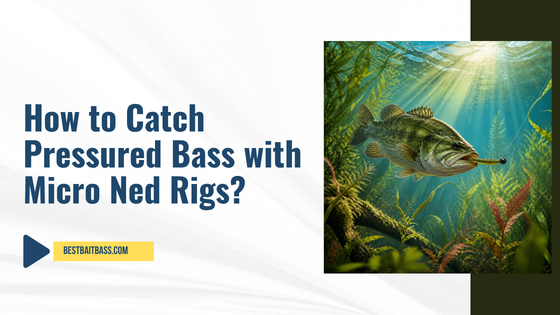
ned rig fishing

At first glance, the Ned rig looks almost laughable. It consists of a small, blunt-cut chunk of soft plastic matched with a light, open-hook jig head. It does not possess flashy spinner blades, loud internal rattles, or a hyperactive paddle tail. Yet, despite its unassuming profile, ned rig fishing has become an indispensable technique for professional tournament anglers and weekend warriors alike. The secret lies in its minimalism. By presenting an easy, highly realistic, and vulnerable meal, this rig coaxes bites from bass that would otherwise ignore every other presentation in your tackle box.

Understanding the Ned Rig Phenomenon

To truly master the Ned rig, you must first understand the philosophy behind it. Pioneered by legendary outdoor writer Ned Kehde, this style of fishing—originally referred to as “Midwest Finesse”—was designed to catch high numbers of bass in heavily pressured public reservoirs. The core concept is simple: present a small, slow-moving bait that mimics natural forage like crawfish, insects, or dying minnows.

The Origins of Midwest Finesse

Ned Kehde developed this system using customized tackle, often cutting larger soft plastics in half to create smaller profiles. He realized that bass in highly pressured lakes quickly learn to avoid large, fast-moving artificial lures. By scaling down the presentation and fishing it on incredibly light line, Kehde found he could trigger consistent bites even on the toughest days of the year.

Why Bass Can’t Resist the “Do-Nothing” Action

Unlike active swimbaits, the Ned rig relies heavily on a “do-nothing” subtle appeal. When the rig rests on the bottom, the buoyant soft plastic stands straight up, shaking slightly with the natural movement of the water current. To a bass, this upright posture perfectly replicates a defensive crawfish or a small baitfish feeding on the bottom. The lack of aggressive movement is precisely what makes it so non-threatening and irresistible.

Essential Gear for Ned Rig Fishing

While the Ned rig is incredibly simple, using the correct tackle is non-negotiable. Because you are throwing exceptionally light baits, a heavy baitcasting setup will only result in frustration and nested lines. Succeeding with this technique requires a dedicated spinning tackle setup designed for maximum sensitivity.

The Perfect Rod and Reel Setup

A medium-light power spinning rod with a fast action tip is the gold standard for ned rig fishing. The soft tip allows you to cast lightweight jig heads accurate distances, while the medium-light backbone provides enough power to drive the thin-wire hook home and steer bass away from structure. Pair this rod with a high-quality 2500 or 3000-sized spinning reel featuring a smooth drag system to handle sudden, powerful runs.

Line Selection: Fluorocarbon vs. Braided Main Line

Most elite anglers prefer spooling their spinning reels with a main line of 8 to 15-pound test braided line, tied to a long leader of 6 to 8-pound test fluorocarbon. The braided main line offers zero stretch and exceptional sensitivity, allowing you to feel every pebble, transition, and subtle bite. The fluorocarbon leader provides the stealth needed in ultra-clear water, ensuring suspicious bass do not spot your line.

Selecting the Best Ned Rig Baits and Jigs

Not all soft plastics and jig heads are created equal. To maximize your success, you must pair the right hook with the best ned rig baits. The market is filled with options, but understanding material properties is key.

Soft Plastic Profiles and Materials

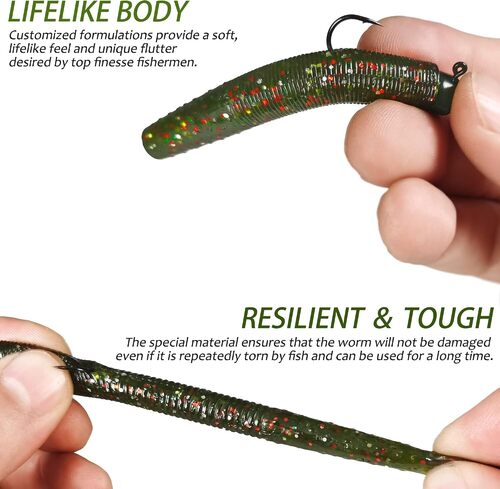
The most critical advancement in Ned rig fishing was the introduction of hyper-buoyant, tear-resistant materials like ElaZtech. Traditional plastisol baits sink flat to the bottom, whereas ElaZtech baits naturally float. This buoyancy is crucial because it keeps the tail of your bait pointing upward at rest. Popular profiles include straight stick worms, ribbed craw profiles, and miniature creature baits.

Jig Head Shapes and Weedless Options

The classic Ned rig jig head features a mushroom-shaped head. This design is engineered to keep the bait standing upright when it contacts the bottom. For fishing around heavy vegetation, brush, or timber, look for jig heads equipped with light wire weedguards. These guards prevent snagging while remaining soft enough to easily collapse when a bass strikes, ensuring a solid hookset.

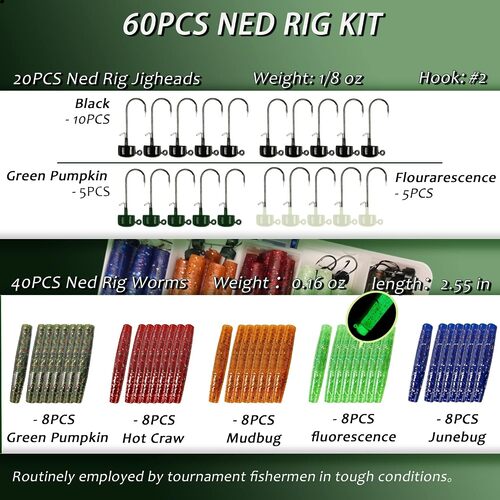
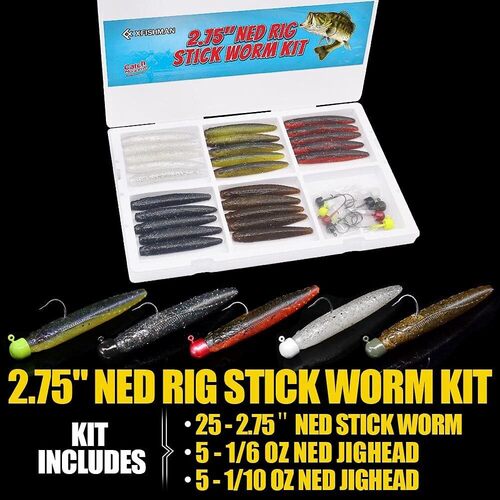
Ned Rig Kit

Check Price

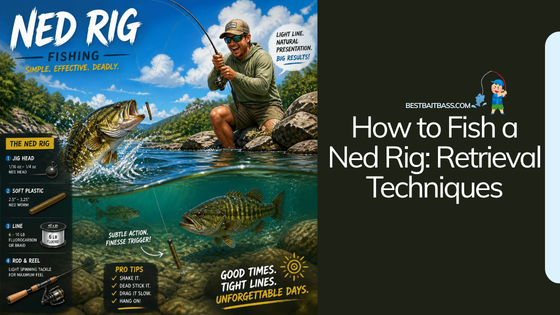
How to Fish a Ned Rig: Master the Retrieval Techniques

Knowing how to fish a ned rig boils down to patience and reading the water. Unlike fast-moving search baits, you must slow down your presentation to let the lure do the work for you. There are three primary retrieval methods that consistently put bass in the boat.

The Classic Drag and Shake

Cast your rig out and allow it to sink to the bottom on a completely slack line. Once it makes contact, slowly drag the bait along the bottom by sweeping your rod tip to the side. As you drag, gently shake your rod tip to transmit subtle vibrations down to the bait. Stop, wind up the slack, and repeat. Many bites occur during the pause immediately following a drag.

The Swim and Glide

This technique is highly effective when bass are suspended off the bottom or feeding on baitfish. After casting, begin a slow, steady reel turn while keeping your rod tip raised. Allow the bait to glide through the middle of the water column, occasionally stopping your retrieve to let the rig slowly spiral back down toward the bottom.

The Hop and Fall

If you are fishing over rocky bottoms or submerged structures, hopping the rig can trigger aggressive reaction strikes. Snap your rod tip upward to lift the jig head a foot or two off the bottom, then let it fall back down on a semi-slack line. Watch your line closely as the bait falls, as bass will often grab it on the descent.

60 pcs ned rig soft worms kit

Check Price

Comparing Finesse Tactics

To help you decide when to tie on a Ned rig versus other popular finesse bass fishing options, refer to the comparative table below:

Technique Ideal Depth Best Structure/Cover Action Level Target Bass Activity
Ned Rig 1 – 20 feet Gravel, Rocks, Clay Low / Subtle Highly Lethargic to Neutral
Drop Shot 10 – 50 feet Deep Ledges, Humps Medium / Shaking Suspended or Bottom-Hugging
Wacky Rig 1 – 10 feet Docks, Overhanging Trees Medium / Fluttering Shallow & Actively Cruising
Shaky Head 5 – 25 feet Brush Piles, Rock Piles Medium / Constant Shake Foraging on Bottom

Seasonal Strategies for Ned Rig Success

The beauty of this system is its year-round efficacy. No matter the season, a variation of this downsized presentation will produce bites.

Spring Cold Fronts

During the spring, pre-spawn bass are prone to moving shallow only to be pushed deep again by sudden cold fronts. When these atmospheric changes occur, the fish become incredibly lethargic. Pitching a Ned rig to the first break line outside of spawning flats is an incredibly effective way to salvage a tough spring day.

Summer Lull and Deep Structure

As water temperatures soar, bass migrate to deeper structures like main-lake points, humps, and ledge systems. While deep diving crankbaits and heavy jigs work when fish are active, they can quickly scare off school residents. Dragging a light Ned rig through these deep offshore areas will trigger consistent bites from pressured summer schools.

Fall Transitions and Winter Lethargy

In autumn, bass follow baitfish into shallow creeks. Matching your Ned rig bait color to the local forage can prove deadly. When winter arrives and water temperatures plummet, a bass’s metabolism slows down to a crawl. The slow, delicate presentation of a Ned rig allows you to fish slow enough to match their sluggish winter pace.

Conclusion: Embracing the Finesse Revolution

In a sport often dominated by high-speed boats, heavy tackle, and loud lures, the Ned rig stands as a testament to the power of subtlety. By choosing to downsize your gear and slow down your approach, you unlock a highly consistent method for catching bass under the most challenging conditions. Keep your tackle light, choose high-quality buoyant baits, and never underestimate the power of doing absolutely nothing on the water. Tie on a Ned rig during your next outing, and experience firsthand why less is truly more in the world of bass fishing.

Filed Under: Bass Fishing, Best bass lures Tagged With: BASS LURES, Finesse Fishing, Fishing Techniques, Ned Rig, Soft Plastics

The Tokyo Rig Revolution: Why This Setup Beats the Texas Rig in Heavy Cover

July 25, 2026 By best bait bass

For decades, the Texas rig has reigned supreme as the undisputed king of heavy cover bass fishing. If you wanted to pull a big largemouth out of a dense mat of milfoil, a tangled laydown, or a chaotic pile of brush, you rigged up a worm or creature bait with a sliding bullet weight and pitched it in. But bass fishing is an evolving sport, and a new contender has emerged from the Japanese tackle scene to challenge this long-held status quo: the Tokyo rig.

tokyo rig vs texas rig

Initially dismissed by some as a passing gimmick, the Tokyo rig has quickly proven itself to be a devastatingly effective weapon. By separating the weight from the bait and placing it on a rigid wire dropper below the hook, this innovative setup solves many of modern angling’s biggest headaches in thick vegetation and nasty structure. In this guide, we will break down exactly why this presentation is revolutionizing the industry, how it stacks up against the classic Texas rig, and how you can master its deployment on your local waterways.

Understanding the Anatomy of the Tokyo Rig

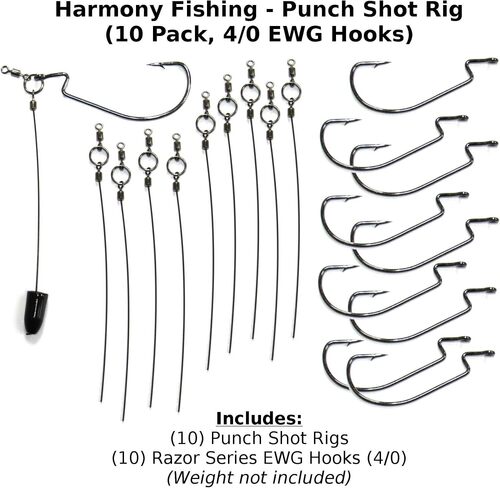
To appreciate why the Tokyo rig has taken the bass fishing world by storm, one must first look closely at its unique physical design. Unlike traditional rigs where the hook, weight, and line run on a single linear path, the Tokyo rig uses a specialized hub-and-spoke system. It starts with a solid, welded ring. Attached to this ring is a heavy-duty wide gap hook, a premium barrel swivel for your main line, and a rigid, customizable wire dropper arm that hangs directly below.

The Wire Dropper Advantage

The wire dropper is the secret sauce of the Tokyo rig. Because the weights are slid onto this rigid wire arm rather than the line itself, the soft plastic bait is suspended slightly off the bottom. This prevents the bait from being buried in silt, muck, or decaying vegetation, keeping it highly visible to foraging bass. Furthermore, the wire can be bent at the bottom to secure your choice of weight, allowing you to quickly swap out quarter-ounce tungsten weights for heavy two-ounce punching weights without ever having to re-tie your knot.

Hook and Swivel Mechanics

The addition of a high-quality barrel swivel at the connection point is another crucial mechanical benefit. When dragging a Texas rig through thick brush, line twist is an inevitable nuisance that can weaken your line and cause frustrating backlashes. The Tokyo rig’s swivel allows the entire setup to spin freely during the cast, retrieve, and battle. Additionally, because the hook is connected to a free-swinging welded ring, the bait has an incredible 360-degree range of motion that no fixed-weight rig can match.

Tokyo Rig-Jig for Bass

Check Price

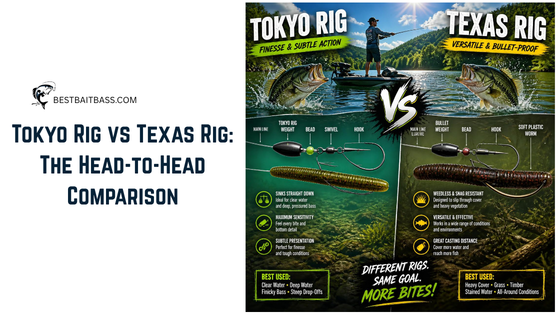
Tokyo Rig vs Texas Rig: The Head-to-Head Comparison

When evaluating the tokyo rig vs texas rig, it is helpful to look at how each setup handles the harsh realities of heavy cover bass fishing. While the Texas rig is incredibly streamlined and weedless, it suffers from a major design flaw: when a bass strikes, the sliding bullet weight can wedge itself in the fish’s mouth, occasionally preventing a clean hook penetration. Additionally, as a Texas rig settles onto a muddy bottom, the weight often pulls the entire bait down into the debris, hiding it from view.

The Tokyo rig completely flips this dynamic. With the weight positioned several inches below the bait on a rigid wire, the soft plastic remains clean, suspended, and highly active. When a bass inhales the bait, the weight drops away instantly, leaving only the hook and the soft plastic in the fish’s mouth. This dramatically increases your hookup-to-land ratio, especially when targeting pressured bass in thick cover.

Feature / Performance Metric Tokyo Rig Texas Rig
Bait Action & Mobility Maximum (360-degree free-swinging) Restricted (pinned in-line with weight)
Weedless Efficiency High (slips through vertical cover) Very High (highly streamlined profile)
Silt/Debris Mitigation Superior (suspends bait above muck) Poor (drags bait down into silt)
Hookup Ratio Excellent (direct upward hook leverage) Good (weight can interfere with hookset)
Weight Customization Instant (no re-tying required) Slow (must re-tie or slide pegs)
Best Suited For Punching mats, hard bottoms, sparse grass Extremely tight brush, heavy wood laydowns

Vertical Presentation vs. Sliding Weights

The primary functional difference between these two rigs lies in how they descend through the water column. A Texas rig falls in a nose-first, gliding motion. While this is great for slipping through branches, it restricts the natural secondary action of creature baits. The Tokyo rig, by contrast, drops straight down like a plumb bob. The weight hits the bottom first, and the bait slowly flutters down behind it, mimicking an injured baitfish or crawfish with unmatched realism.

Hookup Ratio and Leverage

Another critical aspect is leverage during the hookset. When you set the hook on a Texas rig, you must pull both the weight and the hook through the fish’s jaw. If the bullet weight is pegged, it can act as a fulcrum, allowing the bass to shake its head and throw the hook. The Tokyo rig eliminates this issue. Because the hook swings freely on a split ring, the bass cannot use the weight’s mass as leverage to spit the hook, resulting in more fish in the livewell.

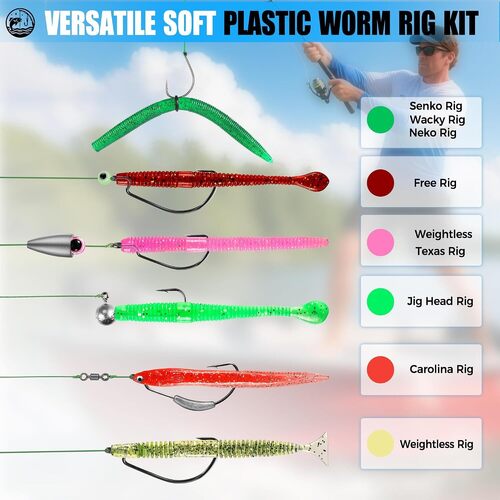
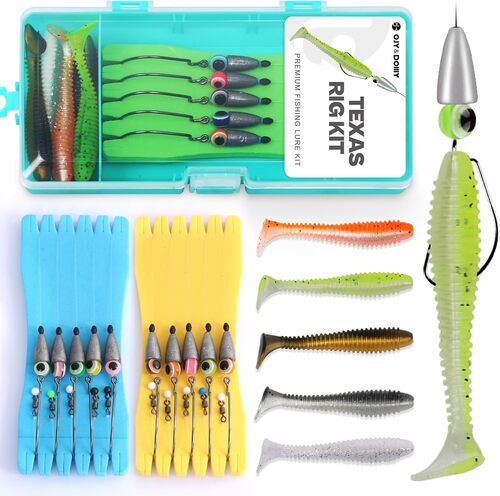
texas rig kit

Check Price

How to Fish a Tokyo Rig in Heavy Cover

Mastering how to fish a tokyo rig requires a slight shift in mindset from traditional worm-fishing techniques. Because of the rig’s unique action, you do not need to constantly hop or drag it to create movement. Even when held perfectly still, the subtle underwater currents will cause your soft plastic to quiver and dance on its free-swinging ring.

Punching and Flipping Mats

When targeting dense mats of vegetation, use a heavy tungsten weight (or even two weights stacked back-to-back on the wire arm) to break through the canopy. Pitch the rig high and let it crash through the mat. Once it penetrates, let it settle to the bottom. Instead of immediately lifting it, gently shake your rod tip on a semi-slack line. This transmits a highly enticing shivering motion to the bait while keeping the weight pinned to the bottom.

Crawling Through Wood and Rock

The rigid wire of the Tokyo rig acts as a high-performance feeler when fished around hard structures like submerged roadbeds, rock piles, and standing timber. As you drag the rig, the wire transmits vibrations directly up your braided line, giving you an accurate picture of the bottom composition. When the wire bumps over a rock or log, the bait hops up and over the obstruction safely, virtually eliminating costly snags.

Choosing the Right Soft Plastics

Because the Tokyo rig maximizes bait action, you want to pair it with soft plastics that have built-in movement. Flapping craws, creature baits with curly appendages, and small paddle-tail swimbaits are all exceptional choices. Since the bait rides above the bottom, choosing high-buoyancy plastics can further enhance the presentation, making your bait look like a defensive crawfish standing its ground.

Optimizing Your Gear for Heavy Cover Bass Fishing

To successfully pull big bass out of the thickest cover using a Tokyo rig, you cannot afford any weak links in your tackle system. The direct vertical hooksets and brutal fights characteristic of heavy cover bass fishing demand specialized, heavy-duty gear.

The Ideal Rod and Reel Setup

You will want to opt for a casting rod measuring at least 7’3″ to 7’6″ with a Heavy or Extra-Heavy action and a fast tip. This length and power are essential for steering hooked fish out of dense vegetation before they can wrap you up. Pair this rod with a high-speed baitcasting reel (7.3:1 gear ratio or faster). A fast reel allows you to quickly pick up slack line and crank fish to the surface before they realize what hit them.

Line Selection: Braided vs. Fluorocarbon

For almost all punching and heavy grass scenarios, 50 to 65-pound test braided line is non-negotiable. Braided line cuts through aquatic vegetation like a saw blade, ensuring you can pull both the bass and five pounds of salad back to the boat. However, if you are fishing extremely clear water or targeting jagged rocks and wood where braid might fray, a heavy 17 to 20-pound test fluorocarbon leader or main line is the superior choice due to its high abrasion resistance and low visibility.

Conclusion

The Tokyo rig represents a true paradigm shift in modern bass angling, successfully bridging the gap between the weedless efficiency of the Texas rig and the erratic, free-swinging action of a dropshot. By isolating the weight on a rigid wire dropper, it provides superior bait visibility, unmatched hookup ratios, and incredible adaptability in the nastiest cover imaginable.

While the classic Texas rig will always have a valued place in your tackle box, integrating the Tokyo rig into your heavy cover arsenal will undoubtedly help you catch more fish. The next time you find yourself staring at an impenetrable mat of vegetation or a gnarly laydown, don’t default to the old ways. Tie on a Tokyo rig, drop it deep into the strike zone, and experience the revolution for yourself.

Filed Under: Fishing Techniques Tagged With: BASS BAITS, bass fishing rigs, heavy cover fishing, TEXAS RIG, tokyo rig

Summer Topwater Tactics: The Ultimate Guide to Working a Whopper Plopper

July 22, 2026 By best bait bass

There is nothing quite like the heart-stopping explosion of a bucketmouth bass shattering the surface of the water in the heat of a summer afternoon. As water temperatures rise, bass often retreat to the shallows or cruise near baitfish schools, making them prime targets for topwater bass lures. Among the many options in an angler’s tackle box, the Whopper Plopper has emerged as a undisputed king of surface-churning action. By combining the versatility of a prop bait with the erratic profile of a wake bait, it triggers aggressive strikes that are as visual as they are rewarding.

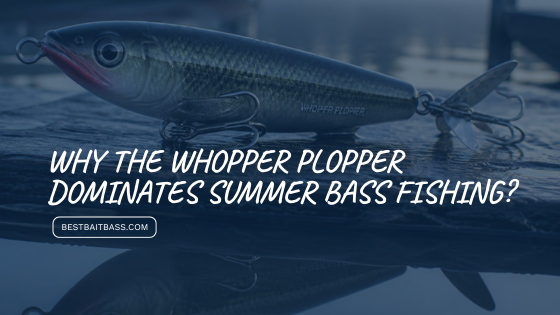
Whopper Plopper

Why the Whopper Plopper Dominates Summer Bass Fishing

The secret to the Whopper Plopper lies in its unique tail design, which rotates to create a distinct ‘plopping’ sound that mimics struggling prey. During the summer, bass are highly active and rely heavily on vibration and sound to hunt in murky or stained water. Unlike traditional poppers that require specific pauses, the Whopper Plopper excels at covering vast amounts of water efficiently. Whether you are targeting weed lines, dock pilings, or submerged timber, the bait’s ability to stay on top regardless of retrieval speed makes it a must-have for summer bass fishing.

Targeting Transition Zones

To maximize your success, focus on transition areas such as points leading into coves or the edges of lily pad fields. In the early morning and late evening, bass often push baitfish into these shallow areas. By casting parallel to these structures, you keep your lure in the strike zone longer, increasing the odds of a big strike.

Understanding the Best Topwater Retrieve

Many beginners make the mistake of reeling a Whopper Plopper like a standard spinnerbait. While a steady retrieve works, the best topwater retrieve involves variation. Start with a slow, rhythmic retrieve to allow the tail to engage fully, creating that signature gurgling sound. If you don’t get a strike, try incorporating brief pauses or slight twitches of the rod tip to make the lure appear wounded and vulnerable. Bass are opportunistic feeders, and the ‘stop-and-go’ technique often triggers a reflex strike from a following fish that was previously undecided.

Essential Gear for Whopper Plopper Success

When fishing topwater baits, your gear setup is just as important as your technique. Because the Whopper Plopper has a wide profile and creates significant resistance, a medium-heavy casting rod with a moderate-fast action is ideal. This allows for enough backbone to set the hook, while the moderate tip ensures you don’t pull the lure out of the fish’s mouth during the initial strike. Pair this with a high-speed reel to quickly pick up slack line once a fish commits.

The Importance of Line Choice

Monofilament is generally preferred for topwater fishing because it floats, which prevents the nose of the lure from diving or pulling under the surface. If you must use braided line, ensure you add a monofilament leader to keep the lure riding high.

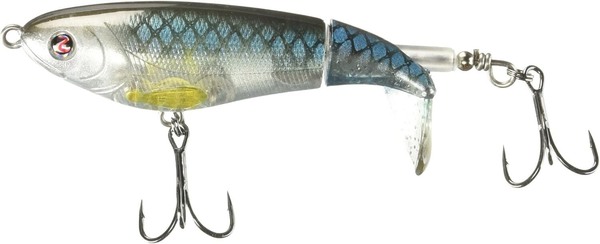
Whopper Plopper topwater fishing lure
Check Price


Comparing Whopper Plopper Sizes for Success

Choosing the right size depends on the local forage and the aggression level of the bass. Below is a quick comparison table to help you select the right model for your day on the water.

Size Best Application Water Conditions Retrieve Style
75 Finesse / Small Forage Clear Water / Calm Subtle / Slow
90 All-Purpose Varied Variable
110 Large Baitfish / Active Bass Stained / Windy Aggressive
130 Big Fish / Heavy Cover Murky / Rough Loud / Steady

Conclusion: Mastering the Surface Strike

The Whopper Plopper is more than just a lure; it is a versatile tool that can turn a slow summer day into a trophy-filled outing. By understanding the importance of your retrieval speed, choosing the right gear, and matching the size to your local conditions, you will significantly improve your efficiency on the water. Remember, the key to successful topwater fishing is patience. Do not set the hook the instant you hear the splash; wait until you feel the weight of the bass on your line. Now, get out there, start casting, and experience the thrill of the topwater explosion for yourself.

Filed Under: Bass Fishing, Topwater lures Tagged With: BASS FISHING, lure tactics, summer fishing, Topwater lures, Whopper Plopper

Megabass Dark Sleeper Hacks: 5 Rigging Secrets for Heavy Cover Bass

July 21, 2026 By best bait bass

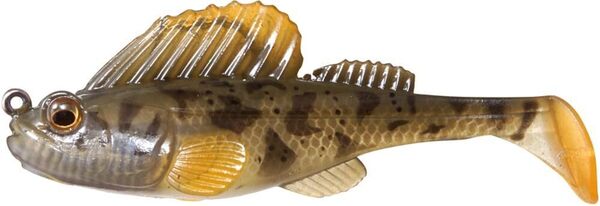
The Megabass Dark Sleeper is arguably one of the most versatile baits in a modern angler’s tackle box. Designed to mimic a bottom-dwelling goby or bullhead, its unique dorsal fin housing the hook makes it a natural for fishing around rocks and stumps. However, for those willing to experiment, this lure holds untapped potential when modified correctly. By mastering Megabass Dark Sleeper modifications, you can turn a standard swimbait into a weedless powerhouse capable of dragging through the thickest grass mats and timber piles where giant bass lie in wait.

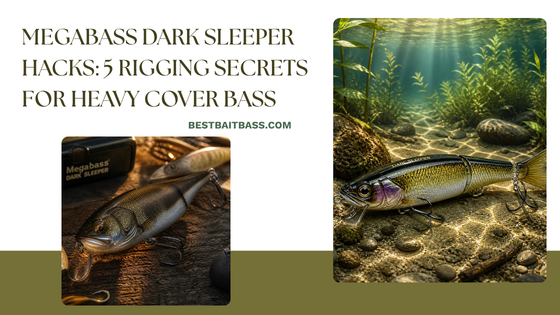
Megabass Dark Sleeper

Mastering the Art of Bottom-Hugging Swimbait Fishing

To truly appreciate the Dark Sleeper, you must understand how it interacts with the lake bottom. Unlike traditional swimbaits that require a constant retrieve, the Dark Sleeper is designed to be crawled, hopped, and dragged. Its internal weight distribution ensures the bait maintains a nose-down posture, which is critical for triggering strikes from lethargic or structure-oriented bass.

Why Structure Matters

Bass utilize heavy cover not just for protection, but as a primary hunting ground. By placing your lure exactly where the fish are hiding, you maximize the probability of an impulse strike. The Dark Sleeper’s design allows it to deflect off hard cover, but navigating soft, submerged vegetation often requires some extra ingenuity.

Essential Megabass Dark Sleeper Modifications for Dense Vegetation

When standard rigging fails in heavy hydrilla or milfoil, it is time to look at custom modifications. One of the most effective weedless swimbait hacks involves “trimming the profile.” By carefully thinning out the bottom edges of the side fins, you can reduce the surface area that catches on weeds, allowing the bait to slide through grass with less resistance.

The Super Glue Technique

Another common modification is ensuring the dorsal fin stays secure against the body during the cast. Using a tiny dab of high-quality, water-proof cyanoacrylate (super glue) at the very base of the fin can ensure it stays flush until a fish strikes, at which point the soft plastic easily compresses to expose the hook. This prevents snagging on debris during the retrieve.

Megabass Dark Sleeper Swimbait

Buy on amazon


Strategic Rigging Secrets for Heavy Cover Performance

When you are rigging swimbaits for cover, the line-to-bait connection is just as important as the lure itself. Many anglers find that using a high-strength fluorocarbon leader helps with abrasion resistance when pulling the bait out of gnarly timber. Below is a comparison table outlining how to select the right weight class of Dark Sleeper for different cover types.

Cover Type Dark Sleeper Size Recommended Retrieve Retrieval Speed
Sparse Rocks 3.0 inch Hopping / Dragging Slow
Thick Grass 3.8 inch Swimming / Dragging Moderate
Heavy Timber 3.0 or 3.8 inch Deflecting / Bumping Fast
Deep Rip-Rap 2.4 inch Steady Crawl Very Slow

Fine-Tuning Your Presentation

If you find the bait is getting hung up too often, try downsizing the weight of the swimbait relative to the cover density. A lighter version of the Dark Sleeper can be “skipped” under overhanging branches or docks, providing a presentation that standard jig heads simply cannot replicate.

Optimizing Your Setup: Gear Recommendations

Success with these modifications requires the right gear. A medium-heavy power rod with a fast action is essential for driving the hook home through the dorsal fin housing and into the bass’s jaw. Pair this with a high-gear-ratio reel to ensure you can pull a large fish out of thick vegetation before it wraps you up.

Line Selection

For heavy cover, do not skimp on line strength. 15-20 lb test fluorocarbon or 40-50 lb braided line is the standard. If you are fishing clear water, use a fluorocarbon leader tied to your braid to maintain the stealthy presentation that makes the Dark Sleeper so deadly.

Conclusion: Level Up Your Swimbait Game

Mastering Megabass Dark Sleeper modifications is a journey of trial and error that pays off in big catches. By focusing on weedless rigging, proper gear selection, and understanding how to effectively present the bait in heavy cover, you significantly increase your efficiency on the water. Don’t be afraid to experiment with your own hacks; the best way to catch more bass is to offer them something they haven’t seen before. Get out there, test these secrets, and watch your catch rate soar.

Filed Under: Bass Fishing, Swimbaits Tagged With: BASS FISHING, Dark Sleeper, fishing tips, Megabass, Swimbaits

Fishing Reel Gear Ratio Chart & Guide (2026): Choose the Perfect Speed

July 16, 2026 By best bait bass

Mastering your retrieve is the secret weapon of professional anglers. If you have ever wondered why your buddy is catching more bass while using the same lure, the answer often lies in the mechanics of their reel. Understanding fishing reel gear ratio is the difference between a sluggish retrieve and a strike-inducing presentation. Whether you are burning topwater lures or finessing deep-diving crankbaits, choosing the right speed is paramount. In this guide, we break down everything you need to know about gear ratios to ensure your 2026 fishing season is your most successful one yet.

Fishing reel gear ratio chart

What Does Gear Ratio Mean in Fishing Reels?

At its simplest, a fishing reel gear ratio represents how many times the spool rotates for every single turn of the reel handle. A ratio of 6.4:1 means the spool rotates 6.4 times for one full crank of the handle. This number dictates your retrieval speed, torque, and how much effort you need to exert to pull a fish out of heavy cover.

Understanding the Fishing Reel Gear Ratio Chart

To simplify things, refer to this basic classification:

1. Low Gear (4.0:1 to 5.4:1): High torque, lower speed. These provide more torque and are often referred to as “power” gears. They require less effort to reel in heavy baits or fight against the resistance of deep-diving lures.

2. Mid Gear (5.5:1 to 6.4:1): Versatile, all-purpose speed. These are the “all-purpose” workhorses. They provide a versatile balance between speed and control.

3. High Gear (7.0:1 to 10.1:1): High speed, lower torque. These are speed demons, allowing you to take up slack line instantly or bring lures back to the boat quickly for repeated casts.

How to Choose the Right Fishing Reel Gear Ratio

When selecting your setup, ask yourself: What lure am I throwing? The resistance of the bait in the water should dictate your choice. High-drag lures like deep-diving crankbaits require lower gear ratios to prevent angler fatigue, while reaction baits like jigs or topwaters benefit from the high-speed pickup of faster reels.

Low Gear Ratio Reels: Power and Control

Low gear ratio reels are your workhorses. They offer significant mechanical advantage, making them the best fishing reel gear ratio for lures that create high resistance. These reels allow you to maintain a slow, steady, and methodical retrieve, which is crucial when fishing in cold water or when bass are lethargic.

High Gear Ratio Reels: Speed and Efficiency

Fast gear ratio reels are essential for techniques requiring a quick line pickup. If you are fishing topwater baits, a high gear ratio allows you to eliminate slack instantly after a missed blowup or to quickly pull a fish away from thick vegetation. They are also indispensable for “burning” spinnerbaits over grass beds.

Expert Advice: Best Gear Ratios for Common Techniques

* Deep Crankbaits: 5.4:1 to 6.2:1 (Reduces torque and fatigue)

* Topwater Fishing: 7.5:1 to 8.5:1 (Quick line management)

* Jigs & Texas Rigs: 7.1:1 to 7.5:1 (Fast slack removal)

* Spinnerbaits: 6.4:1 to 7.1:1 (Versatile speed)

By matching your gear ratio to your specific technique, you increase your efficiency on the water and your overall strike conversion rate. Always consider the cover, the water temperature, and the specific lure action when selecting your next reel.

Conclusion

Mastering your understanding of gear ratios transforms how you interact with your lures and your targets. Remember that there is no single “best” ratio, but rather the right ratio for the job at hand. Start by building your collection with a versatile 7.1:1 reel for general tasks, and slowly expand into specialized low-gear reels for crankbaits and high-gear reels for precision work. By matching your equipment to your technique, you ensure that you are always in total control of your presentation, leading to more bites and more fish in the boat.

Filed Under: Bass Fishing, Best Reels Tagged With: BASS FISHING, bass tackle, fishing gear, fishing reels, fishing tips, high gear ratio reels, low gear ratio reels

Baitcasting vs Spinning Reels for Bass: Choosing the Right Setup for Your Technique

July 13, 2026 By best bait bass

Every angler reaches a crossroads: do you stick with the familiar spinning reel, or do you commit to the precision of a baitcaster? Choosing the right tool for the job is the difference between a frustrating day of backlashes and hauling in a personal best. At BestBaitBass.com, we help you cut through the noise.

baitcasting vs spinning reels for bass

Understanding the Baitcasting vs Spinning Reel Debate

Selecting the right reel isn’t just about brand loyalty—it’s about matching your gear to your target technique. Baitcasters offer incredible power and accuracy, while spinning reels provide unmatched versatility for light lines and finesse tactics.

Why Choose a Baitcasting Reel for Bass Fishing?

Baitcasting reels are the workhorses of the professional bass world. They are designed for:

  • Heavy Covers: The robust construction handles thick vegetation and heavy lines.
  • Accuracy: Thumb control allows for pinpoint casting into tight pockets.
  • Power: Better torque for pulling large fish out of structure.

When to Use Spinning Reels for Bass

Don’t discard your spinning setup just yet. Spinning reels excel in scenarios where finesse is key:

  • Light Lures: Perfect for drop-shotting, shaky heads, or small jerkbaits.
  • Windy Conditions: Reduced line twist compared to casting reels in gusts.
  • Ease of Use: Ideal for beginners or for quick, low-maintenance casting.

Mastering Fishing Reel Gear Ratios

Understanding the fishing reel gear ratio is vital. The ratio indicates how many times the spool rotates per handle turn:

  • 6.3:1 (Mid-range): The “jack of all trades,” great for crankbaits and spinnerbaits.
  • 7.1:1 – 8.1:1 (High-speed): Essential for techniques that require quick line retrieval, like jigs or Texas rigs.
  • 5.4:1 (Low-speed): Designed for deep-diving crankbaits where pulling power is prioritized over speed.

Selecting Your Ultimate Bass Rod and Reel Setup

Your bass rod and reel setup should be balanced. Pair high-speed reels with fast-action rods for sensitivity, and match low-gear reels with composite or glass rods to provide “give” for moving baits. Always ensure your line strength matches the reel’s maximum drag capacity to prevent breakage.

Final Thoughts on Finding Your Perfect Bass Reel

Whether you prioritize the casting control of a baitcaster or the reliability of a spinning setup, the “best” bass fishing reel is the one that gives you confidence on the water. Start with a versatile 7:1 gear ratio, keep your rod action consistent, and get out there to land that next trophy.

Filed Under: Bass Fishing Tagged With: baitcasting tips, BASS FISHING, fishing gear, fishing reels, rod and reel, spinning reel guide

Top 5 Most Expensive Fishing Products on Amazon USA

May 27, 2026 By best bait bass

Fishing isn’t just a hobby — for some, it’s a passion that demands the finest gear. Amazon USA offers premium fishing products that combine cutting‑edge technology, craftsmanship, and exclusivity. Here are the five most expensive fishing products currently available.

Penn International Electric VI Reel

The Penn International Electric VI Reel is the crown jewel of luxury fishing gear, priced between $4,000 and $6,000.

  • Features: Bluetooth connectivity, digital line counter, level wind system.
  • Best for: Big game fishing enthusiasts who demand automation and raw power.

PENN International VI reel

Daiwa Marine Power MP 3000 Reel

The Daiwa Marine Power MP 3000 is another powerhouse, retailing up to $3,500.

  • Features: Digital display, auto‑stop function, stainless steel gear drive.
  • Best for: Deep‑sea fishing where strength and precision are critical.

Daiwa Power Electric Reel

Shimano Stella SW Spinning Reel

The Shimano Stella SW is the most expensive spinning reel on Amazon, priced around $1,000–$1,250.

  • Features: Waterproof drag system, ultra‑smooth gearing.
  • Best for: Saltwater anglers seeking durability and performance.

Shimano Spinning Reel

Orvis Helios 3 Fly Rod

The Orvis Helios 3 Fly Rod costs about $900 and is a favorite among fly fishing purists.

  • Features: High‑tech graphite blank, titanium guides.
  • Best for: Precision casting in both freshwater and saltwater.

Orvis Fly Rod

St. Croix Legend Elite Rod

The St. Croix Legend Elite is a premium rod priced at $550+.

  • Features: SCVI carbon blanks, Fuji Torzite guides, 15‑year warranty.
  • Best for: Anglers who want maximum casting distance and sensitivity.

Why Are These Products So Expensive?

  • Advanced Technology: Electric reels with Bluetooth and digital counters.
  • Premium Materials: Carbon blanks, titanium guides, stainless steel gears.
  • Longevity: Products designed to last decades with proper care.
  • Exclusivity: Owning one of these reels or rods is like driving a Ferrari in the fishing world.

Frequently Asked Questions About Expensive Fishing Gear

What is the most expensive fishing reel on Amazon?

The Penn International Electric VI Reel is currently the most expensive fishing reel on Amazon USA, priced between $4,000 and $6,000. It features Bluetooth connectivity, a digital line counter, and unmatched power for big game fishing.

Why are some fishing reels so expensive?

High‑end reels use premium materials like stainless steel gears, carbon drag systems, and titanium guides. They also include advanced technology such as waterproof drag systems, digital counters, and automation features, making them more durable and precise.

Are luxury fishing rods worth the price?

Yes — rods like the Orvis Helios 3 and St. Croix Legend Elite offer superior casting distance, sensitivity, and long‑term durability. Serious anglers often find the investment worthwhile for performance and reliability.

What is the best expensive fishing reel for saltwater?

The Shimano Stella SW Spinning Reel is considered the best luxury reel for saltwater fishing. It costs around $1,000–$1,250 and is known for its waterproof drag system and ultra‑smooth gearing.

Do expensive fishing products last longer?

Absolutely. Premium reels and rods are designed to last decades with proper care. Many come with extended warranties (up to 15 years), ensuring long‑term value.

Final Thoughts

These products represent the pinnacle of fishing gear available on Amazon USA. Whether you’re chasing marlin in the open ocean or perfecting your fly cast, investing in luxury equipment ensures unmatched performance and prestige.

Filed Under: Bass Fishing Tagged With: most expensive fishing products, most expensive fishing reel, Spinning Reel

Best Spinning Reel for Bass Fishing

June 28, 2022 By best bait bass

Bass Spinning Reels

If you’re looking for a spinning reel that’s going to provide great performance when you’re fishing for bass, then look no further than our guide below. We’ve gone through all of the top brands and models on the market and picked out the ones that are most likely to be able to help you catch some big bass.

First things first: what is a spinning reel? A spinning reel is used by anglers who want to catch smaller fish in freshwater or saltwater environments. They don’t have any drag system like their cousin, the baitcaster reel, but they do have a line guide system that makes them easier to use than standard reels without guides. Spinning reels also tend to be lighter in weight than baitcasters because they don’t have as much metal on them.

The main thing that sets spinning reels apart from other types of reels is their simple design. They’re easy for beginners to learn how to use because there aren’t too many moving parts inside of them; this makes them great for kids too!

Choosing the best spinning reel for bass

First, understand that bass are not just big fish – they’re also fighters. You need a line that can handle the abuse they’ll put it through. The line should be able to handle a lot of stress and pressure, but also be sensitive enough to detect bites and give you plenty of time to react.

Second, you need something that’s durable and can withstand the punishment that comes with fighting a big fish like a bass. The reel needs to have enough weight in order to keep up with your line, but not so much weight that it starts to drag down your rod when you reel in.

Third, consider how much money you’re willing to spend on your reel. While there are plenty of great reels under $100, if you want something that’s going to last for years or even decades then expect prices to start around $150-$200.

Top 10 Best Spinning Reels for Bass

I’ve been fishing for bass since I was a little kid. It’s one of my favorite hobbies, and I make it a point to go out as much as possible when the weather is nice. I’ve gotten pretty good at catching bass in all kinds of weather and conditions, but only because I’ve spent years experimenting with different equipment, types of bait, fishing spots and more. If you want to find the best spinning reel for bass fishing – whether you’re new to the sport or just want an upgrade – look no further than this list of reels that have served me well over the years:

Okuma Avenger ABF Graphite Bait Feeder Reel

The Okuma Avenger ABF Graphite Bait Feeder Reel is the best spinning reel for bass fishing. It features a graphite body and an impressive 6.3:1 gear ratio, which makes it easy to get your line out fast and reel in quickly. This reel also comes with 30 lbs max drag, making it perfect for catching big fish like bass, catfish, and trout.

This fishing reel also has a cast control knob that allows you to easily control how much line you want to let out when casting your bait into the water so as not to waste any precious time or energy if you find yourself running short on time before sunset (or sunrise).

Okuma Avenger Spinning Reel

Buy on Amazon

Abu Garcia Black Max Low Profile Baitcast Fishing Reel

Abu Garcia Black Max Low Profile Baitcast Fishing Reel is the perfect reel for beginners who are looking to get into fishing. The Abu Garcia Black Max Low Profile Baitcast Fishing Reel is lightweight and easy to use, so it’s great for people with smaller hands. It’s also very affordable and well built, making it a great value, while still being durable enough to last through several years of heavy usage.

Low Profile Baitcast Reel from Abu Garcia

Buy on Amazon

KastKing Sharky III Spinning Fishing Reel

The Sharky III reel is a great choice for the money. It has a strong gear system that can handle fishing on the ocean, but it’s also light enough to work on smaller freshwater fish. For beginners, this is a good option to start learning how to use reels. The smoothness of the drag adjustment and its ability to hold weights make it easy to use as you get better at handling them.

The KastKing Sharky III Spinning Fishing Reel is one of our favorites in this price range because it can be used in both saltwater and freshwater environments with ease, which makes it versatile enough for almost any type of fishing situation! It comes in at just under $60 (on Amazon), which makes it an affordable choice if you’re looking for something reliable but don’t want something super fancy either–and let’s face it: most people aren’t going down below $100 unless they really need extra features like “alarm” bells or something else fancy like that 😉

Sharky III Graphite Spinning Reel by ‎KastKing

Buy on Amazon

KastKing Spartacus Plus Baitcasting Fishing Reel

The KastKing Spartacus Plus Baitcasting Fishing Reel is a great spinning reel for bass fishing. The Spartacus is lightweight and made of durable materials, making it a great value for the money. It’s also ideal for beginners or anyone looking to upgrade their gear without breaking the bank. The Spartacus has 11+1 bearings, which means you won’t have any problems reeling in your catch even if you’re fighting an especially large fish!

KastKing Spartacus Baitcasting Bass Fishing Reel

Buy on Amazon

Piscifun Torrent Baitcasting Reel

This is a very advanced and durable reel that can handle any reel for bass fishing. It is manufactured with high-quality materials, and the gear ratio of 7.1:1 makes this reel fast. The spool capacity is 0.35-0.90mm, which means you can use it to catch large fish like bass and pike

The Piscifun Torrent Baitcasting Reel has an excellent drag system that allows you to control the speed at which your rod operates in different weather conditions while fishing or casting your line into a river or lake! It also comes with stainless steel bearings that keep its gears rolling smoothly over time without need for maintenance or lubrication!

‎Piscifun Torrent Fishing Reel

Buy on Amazon

Piscifun Phantom Carbon Baitcasting Reel

The Piscifun Phantom Carbon Baitcasting Reel comes with a carbon fiber body, which makes it lightweight and reduces vibration. It has a high speed retrieve and a low profile design for added performance. The reel is baitrunner and has a 7.0:1 gear ratio with 17lb max drag capacity (7kg), 6+1 ball bearings, one infinite anti-reverse roller bearing, one instant anti-reverse roller bearing and one fixed centrifugal brake system.

Piscifun Phantom Carbon Fiber Fishing Reel

Buy on Amazon

Penn Battle II Spinning Fishing Reel

The Penn Battle II Spinning Fishing Reel comes with a gear ratio of 5.3:1, giving you the ability to cast farther and making it easier for you to reel in large fish with ease. The line capacity on this model is 260 yards, so you can get plenty of distance from each cast without having to worry about running out of line before re-casting again. This model also has a HT-100 drag system, so you’ll be able to feel confident using it even when dealing with larger fish that require more strength to reel in than smaller ones do (or if your fishing experience level is lower than most).

The Penn Battle II Spinning Fishing Reel weighs 6.3 ounces and costs $$$, making it an excellent choice for any angler looking for an affordable option that will last them through many seasons’ worth of fishing trips without breaking down on them anytime soon.

PENN Battle Fishing Reel

Buy on Amazon

Abu Garcia Pro Max Low Profile Reel

The Abu Garcia Pro Max Low Profile Reel is a high-quality spinning reel that consistently delivers performance on the water. It’s one of the best bass fishing reels on the market, and it can be used for other types of fishing as well. This spinning reel features an aluminum frame and side plates made from lightweight graphite, ensuring that you get a smooth, comfortable feel while using it. It also has two ball bearings as well as six stainless steel line guides to keep your line moving smoothly through when casting or reeling in fish.

The drag system on this spinning reel is especially good at locking down hard strikes from large freshwater bass or saltwater species like tuna and marlin, allowing you to play larger fish without worrying about losing them due to ineffective drag quality (or worse: losing them because they run away). The metal washer system helps ensure consistent tension throughout long casts—meaning you’ll be able to cast farther than ever before!

‎Abu Garcia Max Pro Baitcast Reel

Buy on Amazon

Okuma Ceymar Lightweight Spinning Fishing Reel

If you’re looking for a spinning reel that is lightweight and easy to use, look no further than the Okuma Ceymar Lightweight Spinning Fishing Reel. This spinning reel is affordable and has all of the features you need to catch bass on your next fishing trip.

Okuma Ceymar Spinning Fishing Reel

Buy on Amazon

Shimano Stradic FL Spinning Fishing Reel

The Stradic FL is a great spinning reel for the money. The drag system is smooth, and it has smooth casting capabilities. The reel comes with a lightweight graphite frame and metal body, which makes it durable but still lightweight.

The brake system on this reel is one of the best we’ve seen so far: It’s easy to adjust, there are no “friction” points like on some other reels that make this process difficult or impossible without taking apart parts of the reel (which isn’t always possible), and it’s easy to set up at first glance because you can see exactly what you’re doing while adjusting it over your arm when fishing out in open water where visibility isn’t limited by trees or other objects blocking sunlight from shining down directly onto your hands’ movements—you won’t miss any steps!

Stradic Spinning Fishing Reel by SHIMANO

Buy on Amazon

Things To Avoid When Buying A Bass Spinning Reel

Here are some things to avoid when buying a spinning reel for bass fishing:

Avoid getting an inexpensive, cheap one. You don’t want a piece of junk that will fall apart on you when you need it most!

Avoid choosing one that has too many features. Every time someone adds more and more dials and knobs, they end up making something harder to use than it needs to be—and that can make all the difference between catching fish and not catching them at all!

Avoid going with ultra-cheap products unless they’re clearly marked as being cheaply made (i.e., low quality). Sometimes it’s better just not investing in anything at all rather than using something inferior!

Conclusion

With the right rod and a few awesome baits, you’ll be ready to get out there and start catching bass. You can also use your spinning reel for other types of fishing, so it’s a very versatile piece of equipment that you should keep in your arsenal.
Filed Under: Best Reels

Topwater Family of Bass Lures Buying Guide

July 7, 2019 By best bait bass

Ever tried surface water fishing? You do not know what an experience you are missing. Topwater lures are real thrillers as they lie seemingly harmless but once they are attacked from underneath they give the excitement that every angler wants. You have a variety to choose from in terms of shapes, designs and other preferences that you want in your bass baits.

Topwater Baits

Topwater lures, or surface baits, are just what the names suggest, fishing lures that float on the surface of the water. Most topwaters have a cupped head or lips attached to make a splashing or popping sound when fished. The noises that are created attract fish from great distances.

Generally you cast topwater lures near cover. A common technique is to retrieve the lures in quick jerks with short pauses in between. You will get the most luck with topwaters in shallow water in the morning and evening.

Topwater Lures For Bass

Here are the rich varieties of topwater lures that you can choose for your bass fishing adventure:

  • Buzzbaits: they are close to spinnerbaits but these ones are for surface fishing. They are best in grass and submerging weeds. For the abundant catch use them at the middle of spring to mid-fall seasons when the water temperature is as high as 65 degrees.
  • Poppers: their popping and grudging sound is what draws bass to them. They should not be left to lie on the water for long since they lose their clarity. You have to regularly pop them in and out of the water in frequent successions.
  • Jerkbaits: their versatility in different fishing conditions has kept them a top priority among many bass fishermen. Jerkbaits will be at their top performance both in clear and dingy water.
  • Stickbaits: they are popularly referred to as “walking baits” since they do not have their own action. It will take the skills of a fisherman to make them perform manoeuvres to lure bass into biting them.

topwater lures for bass

Topwater Lures Reviews

Many bass tournaments have been won with topwater fishing lures in shallow water! In this entry we want to discuss a couple of the most popular surface baits that even the pros won’t leave behind.

Arbogast Jointed Jitterbug

The Fred Arbogast Jointed Jitterbug has been often called “most action-packed topwater lure available”. The Arbogast company produces some of the best baits available to professional and amateur anglers and the Jitterbug is no exception. The splash on the surface of the water created by the jointed tail will attract large fish from afar and not just bass either. Musky and pike have been caught on this lure just as often I’m sure.

Arbogast Jitterbug

Are you looking for a lure that is easy to fish with but still keeps a lot of top water action? The Arbogast Jitterbug is probably your answer. To be honest, there is really only one way I would recommend fishing this lure, and that’s to use it how it is designed. The small plate in the front was designed to cause the lure to shimmy back and forth by itself. Therefore, instead of having to use a slack retrieval method like walking the dog, you can just let the Jitterbug do a smaller side to side motion for you by a steady and medium speed retrieval.

Can The Arbogast Jitterbug Be Used For Night Fishing?

The noise on a Jitterbug is also very unique. Since you are doing a consistent retrieval and there is a consistent noise, many fishermen enjoy using this for any type of night bass fishing. What you will hear is a consistent popping noise that is produced by the way it disperses the water in front of the lure. It also has to do with the way the lures plate on the front slaps against the lure as it goes through the water which gives it another different type of noise which fish seem to be attracted to.

Does This Topwater Lure Come In Different Models?

There are actually three different models. Your first would be the standard Jitterbug which comes with a treble hook on the back and is the classic Jitterbug that many fishermen have been using for years. I think Arbogast got in on a good market when they produced the Weedless Jitterbug. Now, obviously, there is still some risk of getting the lure snagged, but the smaller hook protected by the body of the lure and with it being skirted it will significantly help reduce the amount of times you will be snagged on logs and other brush. The last option you have is the Jointed Jitterbug. This actually has a wagging tail to produce a bigger motion in the water than the classic Jitterbug.

Fred Arbogast Jointed Jitterbug Review

The special lip on the Jitterbug creates a tremendous splashing sound on the surface of the water that bass can hear from great distances. Add to that the action of the tail of the Jointed Jitterbug and start attracting even bigger gamefish looking for their next meal. It has been said that the Jointed Jitterbug is the “most action-packed topwater lure available”. I don’t know about that because there are plenty of action packed topwaters, but it has proven to be quite successful for pulling in some big bass and pike.

The treble hooks hanging from the lure are bright plated and the action from the jointed tail sends out some extra flash to the fish below. When fished slowly, the Jointed Jitterbug makes a sort of plop-plop sound. Reel it a bit faster and the plopping sound becomes a bit more frantic mimicking wounded prey having a heckuva struggle and needs to be put out of it’s misery.

Arbogast Topwater Jointed Jitterbug 2.0 Bass Fishing Lure

Arbogast Jointed Jitterbug 2.0 Bass Lure

Buy Now

The Jitterbug, whether it be the straight bodied Jitterbug or the Jointed, offers awesome action when fished in the shallows at night. With the jointed tail, I tell you, the bass can’t resist the side to side action. My favorite time to fish this lure is in the warmer summer months during a full moon. The Jitterbug howls to these big predators and they can’t ignore. For even deadlier action try the Jitterbug Clicker.

One downfall that I’ve found with the Jointed variety of the Jitterbug is that the tiny screws come loose after catching several big fish, which in general doesn’t take too long with this lure. Just keep a tool handy and keep an eye on the screws and tighten it up when necessary. It’s worth the little bit of work and the extra attention, believe me.

I’ve pulled up everything from big bluegill, to 5,6,7 pound bass, to northerns and musky on this lure. I’m not kidding when I say the big fish will be tugging at this lure, so be sure to add some heavy abrasion resistant line to your spool, you don’t want them wrapping you around something that can cause your line to break.

Heddon Crazy Crawler

The Heddon Crazy Crawler is another oft-used lure by professional anglers. The Heddon name attached to the lure should tell you something right off the bat. Heddon is been around a long time and boasts some of the top used lures to date.

The Crazy Crawler is a great lure to use for even beginner topwater anglers. No special technique is required, it has crazy action without any extra effort on your part. You can just cast and retrieve. Try going slow and then speed up if you don’t see strikes. After the cast, wait until the rings are gone before retrieving. Upon landing is often when the strike will occur.

The Heddon Crazy Crawler has been around for years. Many people will remember fishing with them as a kid because they are so easy to fish with. Unlike plastic worms or other various types of lures, this is one of those that you simply cast and pull it in. However, many people still use other techniques for better results.

Heddon Crazy Crawler Topwater Bass Fishing Lure

Heddon Crazy Crawler Topwater Bass Fishing Lure

Buy Now

While, in theory, you should be able to just reel it in, it is recommended to do a popping method with it. The advice from other regular users of the Heddon Crazy Crawler was to let it sit for a few seconds before reeling. The bass seem to bite it just as it stops or is sitting in the water after you pop it or reel it a couple of feet at a time.

This lure is good if you just have to find a way to it to pull those cold water bass to the surface. Not many lures will do that, but the Heddon Crazy Crawler is notorious for having a crazy action to it. Obviously, it gets its name from the crazy motion it has. Some people feel as though the motion itself does not resemble anything in particular, but for some reason the bass seem to like it.

You are not limited to just bass with this lure. Almost anything that will actively hit topwater lures will find this lure appealing. It is relatively small so you can expect to catch crappie and large perch with it as well. Many fisherman claim that they have had a lot of luck catching pike with this lure too. Although some people get a chuckle when seeing someone tie this lure on, they will not be laughing long when you start pulling in the lunkers! They’ll be asking where they can score the Heddon Crazy Crawler!

Heddon Zara Spook

The Heddon Zara Spook produces a side-to-side action that bass and pike can’t resist. It can be used even when the water is a bit choppy or if there is rain disturbing the surface of the water, because of the great action created.

For even more action to attract the big game fish, anglers often look to the “wounded” variety of the Zara Spook. The Wounded Zara Spook comes equipped with propellers on the front and back ends creating a ruckus on the surface of the water. It mimics prey that has been injured, and in the wild predators sniff out the weak and attack with a vengeance.

The Heddon Zara Spook produces a side-to-side action that bass and pike can’t resist. It can be used even when the water is a bit choppy or if there is rain disturbing the surface of the water, because of the great action created.

For even more action to attract the big game fish, anglers often look to the “wounded” variety of the Zara Spook. The Wounded Zara Spook comes equipped with propellers on the front and back ends creating a ruckus on the surface of the water. It mimics prey that has been injured, and in the wild predators sniff out the weak and attack with a vengeance.

Heddon Zara Spook Bass Topwater Fishing Lure

Heddon Zara Spook Legendary Walk-The-Dog Lure

Buy Now

The Heddon Zara Spook is designed for topwater and primarily used for bass and pike fishing. The lure is probably best fished with a slack retrieval known as “walking the dog”. A Heddon Zara Spook when popped across the water will have a side to side action. This is a great action if you are in rainy weather where you need a lot of action on the top of the water. It has a very hard knock noise as well. The fish will often bite when the Zara Spook stops momentarily in the slack retrieval process.

One of the greatest things about this lure is that it comes in a huge variety of colors. You will be able to find almost any type of paint you are looking for. They have things that mimic frogs to shad to minnows and basically everything in between.

Night fishing is also a different game for most people. If this is something you will be trying in the near future, many fishermen swear by the performance of a black Heddon Zara Spook. As well, you should not feel that you will be limited to just bass and pike, this lure is also known to attract musky, crappie, and other small fish.

If you are looking for something that has a little bit more of a splash to it, then the Wounded Zara Spook might be something you are looking for. Essentially, the Wounded Zara Spook acts much like the normal Zara Spook, but the difference being that the Wounded has two spinning blades on it. One on the front, and one in the back which seems to make more of a splash than the original. Still, it is used to catch the same type of fish, but may perform slightly better in rainy weather where you need your lure to stand out from the rain hitting against the water.

Heddon Torpedo Lures

Are you one of those fisherman who get extremely bored with the lure fishing? The Heddon Torpedo might be a solution for you. The lure is actually very versatile in the way you can fish with it. It works well whether you want to do a steady retrieval or anything that is sporadic. Many people will try different methods with the lure to hopefully figure out what the fish are biting on that specific day. Once you figure out what works for you, I do not think you will be disappointed.

This top water lure is designed to make a unique sound and motion on the top of the water. It has a small propeller-like action on the back. As you retrieve the lure in after a cast, it will make a tremendous wake and splashing disturbance which the fish seem to love. It probably mimics a scared or wounded shad the most but does come in various colors and paint that might be said to mimic other things such as sunfish or minnows.

Heddon Torpedo Topwater Bass Fishing Lure

Heddon Torpedo Fishing Lure

Buy Now

One of the better things about the Torpedo’s is that they come in several different sizes. You can find Teeny Torpedo’s, Tiny Torpedo’s, Baby Torpedo’s, or even Magnum Torpedo’s at most sporting goods stores that sell bass lures. Obviously, the smallest torpedo is likely to catch smaller fish such as sunfish or crappie, but is still capable of catching something much larger. However, if you are only interested in the bigger bass, I would recommend one of the larger versions. The bigger the torpedo is, the larger the water disturbance it makes. The large noise and lure seems to draw in the bigger fish.

Heddon Lucky 13

The Heddon Lucky 13 has been around longer than I have been alive. Still, many fisherman will have this in their tackle boxes for any day of bass fishing where they may need a top water lure. The typical retrieval process is a popping retrieval. The front of the lure with its indented nose will cause the Lucky 13 lure to dive down into the water and cause water to splash up in front.

The Lucky 13 is a good lure for water that is less than about six feet deep. Its top water action will keep you out of the logs, but may allow your bait to be taken underwater since it does have a diving action to it. You can have it dive behind logs, then wait a few seconds allowing it to return the surface. Even though it has two treble hooks, it is still great at avoiding snags in areas with a lot of logs or stumps above and below the water.

Heddon Lucky 13 Topwater Bass Fishing Lure

Heddon Lucky 13 Lure

Buy Now

You are not limited to one type of retrieval with this lure. If you feel that the diving method is not working, you can keep this lure on the top of the water by lifting your rod a bit. This may allow you to have the lure dart back and forth, also known as walking the dog, or pop across the top of the water.

The Heddon Lucky 13 comes in two sizes. There is the standard Lucky 13 which is a 3 ¾” long sleek lure and weighing in at 5/8 ounces. Then you have a Baby Lucky 13. The Baby Lucky 13 offers a few more colors, is 2 5/8” long, and weighs 3/8 ounce. The lure in both sizes has a very bulky appearance which will allow it to disperse a lot of water and make a huge splash at both sizes. The Lucky 13 (regardless of size) seems to be one of the more popular plugging lures on the market today.

Where To Use Topwater Lures

Different bass bait will be used in varying conditions. The same goes for topwater lures for bass. These are the best places to use these kinds of baits:

  • Calm water: a popper’s noise will stir bass to move towards still water at the top. They are not particularly noisy but they are effective in luring bass to clear top water.
  • Warmer conditions: in warm water, bass tend to cling to the surface. This is the time to use floating baits and you will have countless bites.
  • Schooling bass: bass are social fish and will tend to flock together especially near water surface. Topwater lures are the best pick to incite the school to attack. They cover a large area and you do not have to worry about the bait staying in one position for long.

What are the general ways to fish topwater fishing lures?

Well that really depends on the bait. There are some topwater lures that needs to be fished fast. I’m thinking of lures that will sink if you don’t reel them in quickly. A good example of this would be a buzzbait. A buzzbait is kind of like a spinnerbait that is designed to stay on the surface. Blades twirl in a circle and cause a ruckus on the surface designed to get the fishes attention. But generally, the lures that I have had the most luck fishing on the surface are slow movers. Often a good rule of thumb is to cast the lure to a likely spot and let it sit there until the ripples dissipate. This can be hard to do, but often pays off in spades. As soon as it hits the water, trust me the fish will notice. If you move it right away the fish may be spooked. By leaving it sit they get a chance to come up close and check it out. Often from here it is best to just twitch the lure with your rod tip and move it a few inches at a time in a haphazard fashion. Don’t get me wrong, there are times when the fish wants it to really be moving, but it seems more likely they want a sporadic retrieve. Twitch then wait. Rinse repeat. Another option is to “walk the dog” as they say, and basically twitch the rod back and forth. The intent is to get the lure to “walk” back to the boat atop the water. This can be very effective in the right conditions.

Topwater Lures For Bass – Quick Tips On How To Use Them

There is no formula to becoming a good angler but learning a few bait tricks makes a lot of difference. With topwater lures, these tips will bring the best even for a first time fisherman;

  • Quieter baits are the best in clear water. It is easier to disguise the lure and attract quick bass bites.
  • No-action lures like the Stickbaits are the best for surface fishing. They can lie in one place for long and attract frequent attacks.
  • It is advisable to have follow-up baits once you miss an attack. Bass never run away from potential food.

The difference between a successful angler and one who struggles to catch one fish is how best they choose their best baits for bass. Know when to use the top water lures and you will always love your experience every time you go fishing.

Filed Under: Bass Fishing, Best bass lures, Topwater lures Tagged With: top water lures, top water lures for bass, Topwater lures

  • Page 1
  • Page 2
  • Page 3
  • Go to Next Page »

Primary Sidebar

Product categories

  • Fishing Gifts
  • Bass Fishing Gear
    • Fishing Storage Rack
    • Fishing Line Spooler
    • Fishing Rods
    • Fishing Rod and Reel Combos
    • Fishing Tackle Boxes and Bags
    • Fishing Line
    • Complete Fishing Set
    • Fishing Reels
    • Lures

Recent Posts

  • Topwater Walking Baits: Mastering the ‘Walk the Dog’ Retrieve
  • The Ned Rig Guide: Why Less is More for Finesse Bass Fishing
  • The Tokyo Rig Revolution: Why This Setup Beats the Texas Rig in Heavy Cover
  • Summer Topwater Tactics: The Ultimate Guide to Working a Whopper Plopper
  • Megabass Dark Sleeper Hacks: 5 Rigging Secrets for Heavy Cover Bass

Best Bass Lures – Amazon


z man chaterbait

Chatterbait

March 11, 2018 By best bait bass

spinnerbait

All about spinnerbaits for bass fishing

May 18, 2018 By best bait bass

rubber worms

Best rubber worms for bass fishing

March 11, 2018 By best bait bass

bass swimbaits

Swimbaits for bass

March 11, 2018 By best bait bass

top water lures

Topwater Family of Bass Lures Buying Guide

July 7, 2019 By best bait bass

rapala jerkbait

Get to know jerkbaits for bass

March 11, 2018 By best bait bass

Carolina rig

Carolina rig

March 11, 2018 By best bait bass

crankbait

Crankbaits for bass

March 11, 2018 By best bait bass

ned rig fishing

The Ned Rig Guide: Why Less is More for Finesse Bass Fishing

July 27, 2026 By best bait bass

jigs

The A-Z about Jigs Bass fishing baits

March 11, 2018 By best bait bass

More Posts from this Category

Best Lures, Reels, Rods and Gear for Bass Fishing

  • kastking perigee II fishing rods with two piece twin-tip rods and one piece rods fuji o-ring line guide, 24 ton carbon fiber casting and spinning rods KastKing Perigee II Fishing Rods with Two Piece Twin-Tip Rods
    Rated 5.00 out of 5
  • piscifun large capacity tackle backpack with movable clapboard in main compartment, protective rain cover and rubber feet Piscifun Large Capacity Tackle Backpack with Movable Clapboard in Main Compartment, Protective Rain Cover and Rubber Feet
    Rated 4.00 out of 5
  • piscifun most versatile line spooler adaptable for different reels eliminate line twist Piscifun Most Versatile Line Spooler Adaptable for Different Reels - Eliminate Line Twist
  • KastKing BlowBak Lightweight Fishing Backpack: Your Tactical Advantage on the Water KastKing BlowBak Lightweight Fishing Backpack: Your Tactical Advantage on the Water
  • plusinno fishing lures set with 102 pieces fishing lure tackle PLUSINNO Fishing Lures Set with 102 Pieces Fishing Lure Tackle
  • Sougayilang Fishing Rod 2.1M6.89FT with Right Handed Reel Baitcasting Rod Reel with Carrier Bag Sougayilang Casting/Spinning Bass Fishing Rod and Reel with Carrier Bag
  • Top Saltwater Fishing Reel GARRET HK 12000 Aluminum Frame GARRET Spinning Reel: 55LB Carbon Fiber Drag & Long Casting Performance
  • kastking rover round baitcasting reel with full metal body and superior carbon fiber drag system KastKing Rover Round Baitcasting Reel with Full Metal Body and Superior Carbon Fiber Drag System
  • Piscifun Waterproof Travel Pro Large Fishing Tackle Bag includes 4pcs Tackle Trays Piscifun Large Fishing Tackle Bag Comes with 4pcs Tackle Trays
  • piscifun aoka reel series fly fishing reels with cork/teflon disc drag system Piscifun AOKA Reel Series Fly Fishing Reels with Cork/Teflon Disc Drag System
  • PLUSINNO 3-Layer Tackle Box The PLUSINNO Spacious 3-Layer Tackle Box: A Comprehensive Bait Lure Gear for Anglers
  • sougayilang fishing full kit with telescopic carbon fishing rod and spinning left/right hand fishing reel Sougayilang Fishing Full Kit with Telescopic Carbon Fishing Rod and Spinning Left/Right Hand Fishing Reel
  • Magreel Fishing Rod and Reel Combo with EVA Carried Bag Magreel Fishing Rod and Reel Combo Telescopic Carbon Fiber Set with Fishing Line, Fishing Lures Kit
  • LHKNL Flashlight Ultra-Light Rechargeable LED Headlamp Wave your hand, light your catch - LHKNL Headlamp Flashlight perfect fishing gift!
  • sougayilang baitcasting fishing rod with fishing reel combos suitable for bass and catfish Sougayilang Baitcasting Fishing Rod with Fishing Reel Combos

Affiliate Disclaimer

BestBaitBass.com is a participant in the Amazon Services LLC Associates Program, an affiliate advertising program designed to provide a means for sites to earn advertising fees by advertising and linking to (“Best Bait Bass” (amazon.com, or endless.com, MYHABIT.com, SmallParts.com, or AmazonWireless.com).

© 2026 Best Bass Fishing Lures
 · Powered by BestBaitBass.com