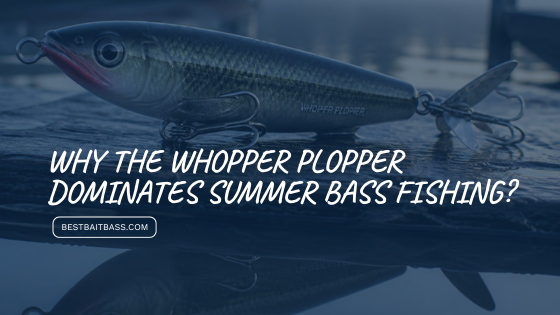
There is nothing quite like the heart-stopping explosion of a bucketmouth bass shattering the surface of the water in the heat of a summer afternoon. As water temperatures rise, bass often retreat to the shallows or cruise near baitfish schools, making them prime targets for topwater bass lures. Among the many options in an angler’s tackle box, the Whopper Plopper has emerged as a undisputed king of surface-churning action. By combining the versatility of a prop bait with the erratic profile of a wake bait, it triggers aggressive strikes that are as visual as they are rewarding.
Why the Whopper Plopper Dominates Summer Bass Fishing
The secret to the Whopper Plopper lies in its unique tail design, which rotates to create a distinct ‘plopping’ sound that mimics struggling prey. During the summer, bass are highly active and rely heavily on vibration and sound to hunt in murky or stained water. Unlike traditional poppers that require specific pauses, the Whopper Plopper excels at covering vast amounts of water efficiently. Whether you are targeting weed lines, dock pilings, or submerged timber, the bait’s ability to stay on top regardless of retrieval speed makes it a must-have for summer bass fishing.
Targeting Transition Zones
To maximize your success, focus on transition areas such as points leading into coves or the edges of lily pad fields. In the early morning and late evening, bass often push baitfish into these shallow areas. By casting parallel to these structures, you keep your lure in the strike zone longer, increasing the odds of a big strike.
Understanding the Best Topwater Retrieve
Many beginners make the mistake of reeling a Whopper Plopper like a standard spinnerbait. While a steady retrieve works, the best topwater retrieve involves variation. Start with a slow, rhythmic retrieve to allow the tail to engage fully, creating that signature gurgling sound. If you don’t get a strike, try incorporating brief pauses or slight twitches of the rod tip to make the lure appear wounded and vulnerable. Bass are opportunistic feeders, and the ‘stop-and-go’ technique often triggers a reflex strike from a following fish that was previously undecided.
Essential Gear for Whopper Plopper Success
When fishing topwater baits, your gear setup is just as important as your technique. Because the Whopper Plopper has a wide profile and creates significant resistance, a medium-heavy casting rod with a moderate-fast action is ideal. This allows for enough backbone to set the hook, while the moderate tip ensures you don’t pull the lure out of the fish’s mouth during the initial strike. Pair this with a high-speed reel to quickly pick up slack line once a fish commits.
The Importance of Line Choice
Monofilament is generally preferred for topwater fishing because it floats, which prevents the nose of the lure from diving or pulling under the surface. If you must use braided line, ensure you add a monofilament leader to keep the lure riding high.
Comparing Whopper Plopper Sizes for Success
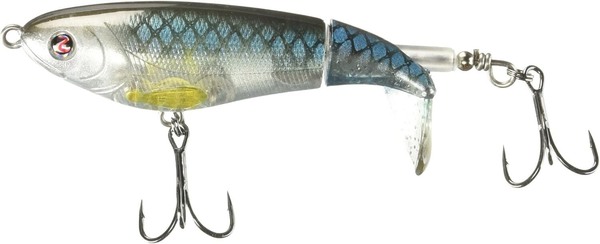
Choosing the right size depends on the local forage and the aggression level of the bass. Below is a quick comparison table to help you select the right model for your day on the water.
| Size | Best Application | Water Conditions | Retrieve Style |
|---|---|---|---|
| 75 | Finesse / Small Forage | Clear Water / Calm | Subtle / Slow |
| 90 | All-Purpose | Varied | Variable |
| 110 | Large Baitfish / Active Bass | Stained / Windy | Aggressive |
| 130 | Big Fish / Heavy Cover | Murky / Rough | Loud / Steady |
Conclusion: Mastering the Surface Strike
The Whopper Plopper is more than just a lure; it is a versatile tool that can turn a slow summer day into a trophy-filled outing. By understanding the importance of your retrieval speed, choosing the right gear, and matching the size to your local conditions, you will significantly improve your efficiency on the water. Remember, the key to successful topwater fishing is patience. Do not set the hook the instant you hear the splash; wait until you feel the weight of the bass on your line. Now, get out there, start casting, and experience the thrill of the topwater explosion for yourself.