Picture this: The mist is rising off the glassy surface of a hidden backcountry bass pond. The birds are just beginning their morning chorus, and the big lunker bass are feeding tight to the lily pads. In the past, getting your boat to this pristine destination required a grueling hike, dragging a heavy, 120-pound rotomolded plastic vessel through thick brush, or risking damage to your vehicle’s roof rack. By the time you launched, your back was aching, your energy was sapped, and the prime early morning bite was already fading. This is where the magic of the modern portable fishing kayak comes into play, transforming how anglers access remote waters.
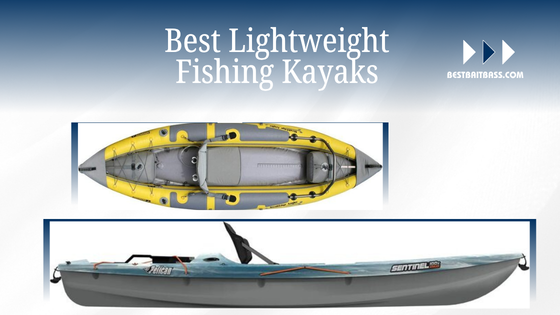
Over the last few years, the paddle-sports industry has seen a massive shift toward lightweight engineering. Anglers are realizing that you do not need a massive, heavy boat to catch trophy bass. High-quality lightweight fishing kayaks give you the freedom to launch anywhere—from steep, rocky riverbanks to muddy road shoulders—without needing a trailer or a team of friends to help you unload. In this comprehensive guide, we will break down the absolute best kayaks for fishing in the lightweight category, review their performance on the water, analyze key structural designs, and help you choose the ultimate craft to elevate your bass fishing adventures.
| Model Name | Weight | Load Capacity | Length | Price Range | Kayak Type | Pros | Cons |
|---|---|---|---|---|---|---|---|
| Pelican Sentinel 100X | 44 lbs | 275 lbs | 9’6″ | $ (Budget) | Sit-on-Top | Lightweight, affordable, easy transport | Lower capacity, less stable in waves |
| Crescent UltraLite | 49 lbs | 350 lbs | 10’2″ | $$ (Mid-Range) | Sit-on-Top / Hybrid | Higher capacity, versatile design | Slightly heavier, mid-range price |
| Advanced Elements StraitEdge | 41 lbs | 300 lbs | 9’8″ | $$ (Mid-Range) | Inflatable | Very portable, quick setup | Less durable than hard-shells |
| Eddyline Caribbean 12 | 50 lbs | 350 lbs | 12’0″ | $$$ (Premium) | Thermoformed ABS | Premium build, excellent stability | Higher price, bulkier transport |
| BOTE Deus Aero | 41 lbs | 300 lbs | 11’0″ | $$$ (Premium) | Inflatable Hybrid | Hybrid versatility, lightweight | Expensive, less rigid than ABS |
Why Choose a Lightweight Fishing Kayak?
Choosing a fishing kayak is always a compromise between tracking, stability, storage space, and weight. However, opting for a lighter vessel offers game-changing advantages that far outweigh minor sacrifices. A lighter kayak allows you to fish more often because it lowers the barrier to entry. If loading and unloading your kayak is a chore, you will find yourself staying home on those short, two-hour evening windows. When your kayak is light enough to toss into the bed of a truck or lift effortlessly onto a roof rack with one hand, your spontaneous fishing trips will skyrocket.
Benefits of Easier Transport and Storage
One of the most immediate benefits of searching for the optimal sit-on-top kayaks weight is how much easier your life becomes off the water. Heavy fishing kayaks, especially those equipped with complex pedal drives and heavy-duty rotomolded hulls, can easily tip the scales at 100 to 150 pounds when fully rigged. This requires specialized loading systems, heavy-duty trailers, and ample garage space.
Conversely, a lightweight, portable fishing kayak typically weighs between 35 and 50 pounds. This means almost any adult can lift it overhead without risk of injury. Storage also becomes a breeze; you can easily hang a 40-pound kayak on garage wall mounts, store it in an apartment closet if it is a lightweight inflatable kayak, or carry it down a flight of stairs. It also increases your vehicle efficiency, minimizing wind resistance and reducing the impact on your car’s fuel economy during long road trips to tournament waters.
Stability vs. Weight: How to Find the Perfect Balance
A common concern among bass anglers is whether a lighter hull translates to a tipsy, unstable ride. Many ask: Are lightweight kayaks stable enough to stand on during a cast? The short answer is yes, but it depends entirely on hull design and kayak width. Historically, heavier kayaks were wider, which naturally provided more surface area and higher stability. Today, however, manufacturers utilize smart hull geometry, such as pontoon or tunnel hulls, to maximize stability without adding physical weight.
To find the perfect balance, you must understand primary versus secondary stability. Primary stability is how stable the kayak feels when sitting flat on calm water. Secondary stability is how well the kayak resists tipping when it is put on its edge or when handling rough chop. High-quality stable river kayaks are designed with excellent secondary stability to handle moving water, swirling eddies, and sudden shifts in weight when fighting a massive largemouth bass. If standing is your primary goal, look for lightweight hulls that feature a wide, flat standing platform in the cockpit and a catamaran-style underside, which redistributes buoyancy to the outer edges.
Best Lightweight Fishing Kayaks of 2026 (Detailed Reviews)
To help you cut through the noise, we have thoroughly analyzed the market and assembled detailed fishing kayak reviews of the top lightweight performers. Each of these models excels in portability, construction quality, and on-the-water utility.
1. The Best Choice for Versatility and Weight
The Crescent UltraLite has earned a legendary reputation as a compact powerhouse that refuses to sacrifice performance. Weighing in at just 49 pounds, this kayak features a signature hull design that tracks like a much longer boat while maintaining incredible maneuverability. Built from high-quality, durable polyethylene, it is incredibly robust while remaining light enough to toss into a SUV or truck bed with ease.
What sets the Crescent UltraLite apart is its open, clean deck layout. It provides ample space for custom rigging, allowing you to install advanced kayaking fishing equipment such as fish finders, gear tracks, and camera poles. The seat is highly ergonomic, offering excellent lumbar support for long days on the water. On the water, it feels remarkably agile, making it one of the absolute best kayaks for fishing in tight creeks, winding rivers, and small ponds. It handles mild river currents beautifully and resists wind drift better than most high-sided lightweight boats.
2. The Best Ultra-Light Kayak for Solo Anglers
The Pelican Sentinel 100X is the gold standard for budget-friendly, ultra-lightweight solo kayak fishing. Weighing a mere 44 pounds, this sit-on-top kayak is constructed from Pelican’s proprietary RAM-X material—a multi-layer polyethylene that boasts exceptional impact resistance and memory properties (meaning it can bend and pop back into shape if it hits a rock).

This model is designed from the ground up for simplicity and ease of use. It features a Twin-Arched Multi-Chine Hull, which offers superb primary stability. While it is not designed for standing for long periods, it provides an incredibly stable sitting platform, making it a fantastic choice for casting near docks, reeds, and timber. The Sentinel 100X comes outfitted with flush-mount rod holders, a removable storage compartment (the ExoPak), and molded footrests. For solo anglers who want a grab-and-go boat that can be launched from literally anywhere without breaking the bank or their back, this is the ultimate solution.
3. The Best Inflatable Option for Easy Transport
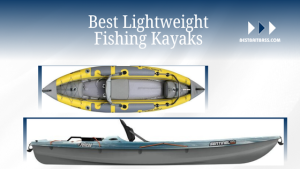
If storage space is at an absolute premium, or if you drive a compact sedan without a roof rack, the Advanced Elements StraitEdge Angler PRO is a game-changer. This lightweight inflatable kayak weighs 41 pounds and folds down into a neat, transportable duffel bag that fits easily into any trunk or closet.
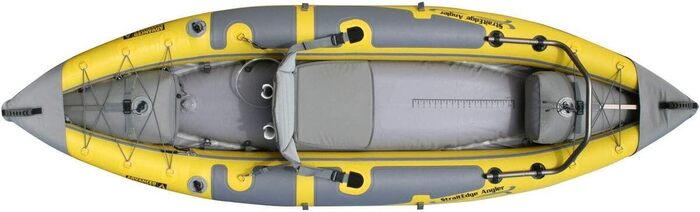
Do not let the word “inflatable” fool you. This is a heavy-duty, puncture-resistant fishing machine built with drop-stitch floor technology. When inflated to high pressure, the floor becomes rock-hard, allowing you to stand and cast with absolute confidence. The StraitEdge Angler PRO features built-in aluminum rib frames in the bow and stern, which drastically improve tracking and cut through choppy lake water better than traditional inflatables. It also features accessory frames that allow you to mount rod holders, GPS units, and other vital fishing gear. It is highly resilient against hooks, tree branches, and rocks, proving that portability does not have to come at the cost of durability.
Key Factors to Consider When Buying
When looking for the ideal light craft, you cannot simply look at the weight spec sheet. You must consider how the hull material, hull design, and interior capacity fit your local waters and target species.
Material: ABS Plastic, Composite, or Inflatable
So, what material is best for lightweight fishing kayaks? The answer depends on your budget and how you plan to use the boat:
- Thermoformed ABS Plastic: This is a premium material used by brands like Eddyline. It is significantly lighter than standard rotomolded polyethylene and has a beautiful, glossy finish resembling fiberglass. ABS is highly scratch-resistant, glides effortlessly through the water, and offers exceptional structural rigidity. It is the best choice for speed, tracking, and pure weight reduction in hardshell kayaks, though it comes at a higher price point.
- Rotomolded Polyethylene: The most common material. While standard rotomolded boats can be heavy, compact designs (under 10 feet) keep the weight low while offering unmatched durability. It is perfect for rocky rivers where you will inevitably scrape against boulders and gravel bars.
- Drop-Stitch Inflatable PVC: This material features thousands of tiny polyester threads connecting the top and bottom layers, allowing the kayak to be inflated to high pressures (up to 10-15 PSI). It provides incredible stiffness, making it the king of portability and storage.
Carrying Capacity and Fishing Gear Space
Always check the maximum load capacity of your prospective kayak. Keep in mind that this capacity includes your body weight, your paddle, your fishing tackle, water bottles, and anchor systems. If you weigh 200 pounds and your kayak has a capacity of 250 pounds, you only have 50 pounds of headroom left. Running a kayak close to its weight limit makes it sit lower in the water, which reduces tracking efficiency, increases drag, and severely compromises stability. For a safe and comfortable experience, aim to keep your total payload under 70% to 80% of the manufacturer’s maximum rated capacity.
Ensure the deck layout supports your style of angling. Look for built-in gear tracks (T-tracks), which let you slide rod holders, fish finder mounts, and camera rigs on and off without drilling holes directly into your hull. Stern tank wells with bungee cord systems are also vital for securing tackle crates, small coolers, or live bait wells.
Tips for Maintaining and Safely Transporting a Lightweight Kayak
To ensure your investment lasts for years, proper maintenance and transport are critical. Even though lightweight models are easier to handle, they can still suffer damage if treated poorly. Always wash your kayak down with fresh water after fishing, especially if you venture into brackish or saltwater environments. Store your kayak out of direct sunlight, as prolonged UV exposure can degrade plastics and PVC over time, making them brittle and prone to cracking.
Many anglers ask: How to transport a lightweight kayak without a roof rack on your car? Fortunately, because these boats are so light, you do not need an expensive, permanently installed vehicle rack system. Here are three highly effective methods to transport your kayak safely:
- Temporary Foam Blocks: You can purchase inexpensive EVA foam kayak blocks that clip onto the gunwales of your kayak. You place the kayak directly onto the roof of your car with the foam blocks acting as cushions to protect your paint. You then run heavy-duty cam-buckle straps through the open doors of your vehicle (not through the windows) and tighten them down securely.
- Pool Noodles: A brilliant DIY alternative to foam blocks is using thick pool noodles. Cut two or three pool noodles to fit the width of your car roof. Run a cam strap through the center hollow core of the noodle to secure it to your car, place your lightweight kayak on top, and tie it down securely using bow and stern safety lines.
Additionally, always utilize bow and stern tie-down lines attached to your vehicle’s bumper tow hooks or frame points. This prevents wind lift from acting like a sail and ripping the kayak off your roof at highway speeds.
Conclusion: Which Lightweight Kayak is Right for You?
Ultimately, the perfect lightweight fishing kayak is the one that fits your lifestyle, budget, and local fishing conditions. If you value speed, tracking, and premium aesthetics, investing in a thermoformed ABS kayak like the Eddyline Caribbean is a choice you won’t regret. If you are on a budget and need a rugged, simple craft to drag through the woods to secret bass honey-holes, the Pelican Sentinel 100X offers unbeatable value and extreme ease of transport.
For those with limited storage space or compact vehicles, a lightweight inflatable kayak like the Advanced Elements StraitEdge or a hybrid drop-stitch inflatable is the clear winner, packing down into a trunk while offering a rigid, stable platform for stand-up casting. By reducing the physical effort required to transport, launch, and store your kayak, you free up your physical and mental energy to focus on what matters most: locating the fish, perfecting your presentations, and landing the bass of a lifetime. Equip your boat with the right kayaking fishing equipment, stay safe on the water, and enjoy the unparalleled freedom of lightweight kayak fishing!