• Skip to primary navigation
  • Skip to main content
  • Skip to primary sidebar
  • Skip to footer
  • Crankbait
  • Spinnerbaits
  • Jigs
  • Swimbaits
  • Topwater lures
  • Jerkbaits
  • Worms

Best Bait For Bass

Best Bass Baits, Lures - Best Spinning Reels - Best Rods and Best Lines for Bass. Everything for Bass Fishing


  • Home
  • Bass Baits and Lures
  • Shop

Bass Fishing

The Finesse Revolution: How to Catch Pressured Bass with Micro Ned Rigs

September 30, 2026 By best bait bass

When the sun is high, the water is crystal clear, and the fishing pressure is at an all-time high, the trophy bass in your favorite lake seem to develop a graduate-level education in avoiding traditional lures. While standard crankbaits and bulky jigs might trigger aggressive strikes in the spring, pressured bass often require a more subtle approach. Enter the micro ned rig—a game-changing technique that has become the secret weapon for tournament pros and weekend warriors alike. By downscaling your profile, you tap into the innate curiosity and predatory instincts of fish that have ignored everything else in your tackle box.
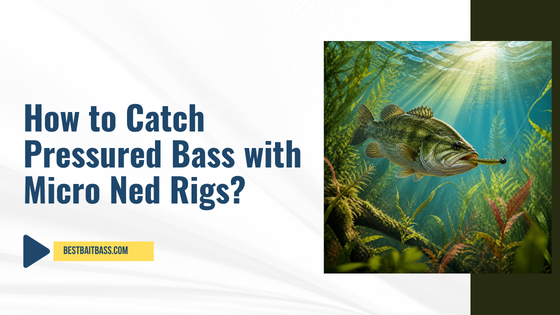
micro ned rig

Understanding the Micro Ned Rig Phenomenon

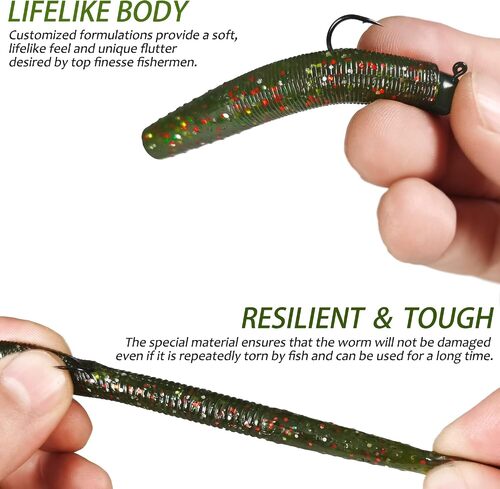
The micro ned rig is essentially a miniature version of the classic Ned rig, typically utilizing baits under 2.5 inches paired with jig heads weighing between 1/32 and 1/16 ounce. The magic lies in the buoyant plastic and the slow, agonizing descent of the bait. Because these baits are so small, they mimic tiny baitfish, crawfish, or aquatic insects that larger bass often consume with zero hesitation.

Why Size Matters in High-Pressure Scenarios

In heavily fished waters, bass become conditioned to the “thump” and vibration of traditional moving baits. A micro ned rig provides a minimalist silhouette that doesn’t trigger the caution sensors of a veteran largemouth or smallmouth. It is the ultimate finesse tool for when conditions are tough.

Essential Gear for Micro Finesse Success

To effectively fish a micro ned rig, you cannot use your standard heavy-action flipping stick. You need specialized gear that allows for casting ultra-light weights while maintaining the sensitivity required to detect the slightest ‘tick’ on the line.

Rod and Reel Specifications

For these tiny weights, a light or ultra-light power spinning rod with a fast action is essential. Pair this with a 1000 or 2000 series spinning reel spooled with 6-pound test fluorocarbon line or a 10-pound braid to 6-pound fluorocarbon leader. The lack of stretch in these lines is vital for setting the hook at the end of a long cast.
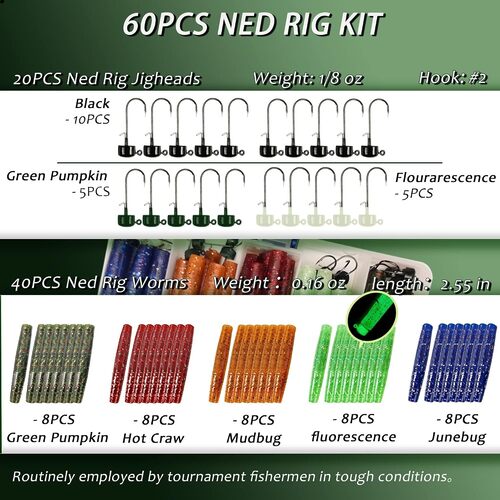
Micro Ned Rigs Kit

Check Price

Tactical Approaches for Pressured Waters

When you are fishing a pressured fishery, location and patience are your best friends. These fish are often found holding tight to structural elements or suspended in deep grass lines where they feel protected from the onslaught of topwater and spinnerbait anglers.

Identifying Key Zones

Focus on transition zones, such as where hard bottom meets soft silt, or the outer edges of weed beds. A micro ned rig excels when worked slowly along these boundaries, as it mimics natural forage that isn’t moving fast enough to be a threat, but is certainly worth an easy meal.

Comparison: Traditional vs. Micro Ned Rigs

Feature Traditional Ned Rig Micro Ned Rig Recommended Use
Bait Size 3.0″ – 4.0″ 1.5″ – 2.5″ High pressure / cold water
Jig Weight 1/8 oz – 1/4 oz 1/32 oz – 1/16 oz Finesse / ultra-clear water
Best Action Glide / Bounce Twitch / Dead-stick Finicky suspended fish
Line Weight 8 lb – 10 lb 4 lb – 6 lb Maximum stealth

Mastering the Retrieval and Presentation

The most common mistake anglers make with the micro ned rig is working it too fast. The bait is designed to stand up on the bottom or quiver in place. The ‘do-nothing’ retrieve is often the most lethal; simply cast it out, let it hit the bottom, and let it sit. If you don’t get a bite in ten seconds, give the rod tip a slight twitch to stir up some silt, then let it sit again.

The Importance of the ‘Dead-Stick’ Technique

Many anglers underestimate the power of letting the bait sit completely still. A micro ned rig’s buoyant material causes the tail to vibrate with even the smallest ripple in the water, mimicking a dying crustacean. This subtle action is often enough to entice a follow-up bite from a bass that has been stalking your bait.

Conclusion

The micro ned rig is more than just a lure; it is a philosophy of patience and precision. By embracing the finesse revolution, you can unlock the potential of your local waters and consistently put more fish in the boat, even on the toughest days. Start by downscaling your gear, focus on the bottom composition, and don’t be afraid to let your bait soak in the strike zone. Once you see how effectively this technique triggers bites from pressured bass, it will quickly become the most important tool in your arsenal.
Filed Under: Bass Fishing, Best bass lures Tagged With: BASS FISHING, BASS LURES, Finesse Fishing, fishing tips, Ned Rig

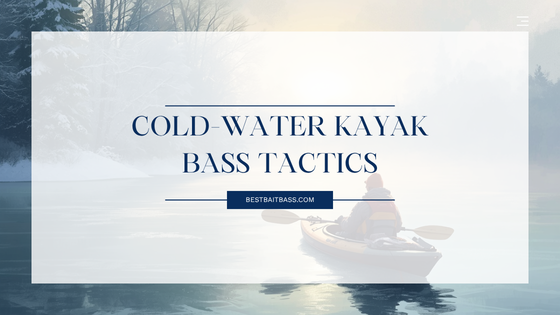
Cold-Water Kayak Bass Tactics: Navigating Winter Creeks and Small Lakes

August 24, 2026 By best bait bass

When winter settles in and major reservoirs turn icy and wind-swept, many anglers pack away their gear for the season. However, for the dedicated kayak angler, this is one of the most rewarding times of the year to be on the water. Shifting your focus to smaller waters—such as winding creeks, slow-moving rivers, and small sheltered lakes—can yield spectacular winter bass action. These compact environments are easier to read, offer protection from harsh winter winds, and hold concentrated populations of fish that remain active even under a layer of frost.

Succeeding at winter kayak bass fishing requires a deliberate shift in mindset, preparation, and technique. In this guide, we will break down the essential small water winter bass tactics, safety protocols, and bait selections you need to turn cold-water outings into red-hot fishing days.

winter kayak bass fishing

Understanding Winter Bass Behavior in Small Waters

To catch bass in cold water, you must understand their physiological state. As ectothermic (cold-blooded) creatures, a bass’s body temperature matches its surroundings. When water temperatures drop below 50°F, their metabolism slows dramatically, meaning they require less food and move significantly slower to conserve energy. This fundamentally changes how they behave and how you must target them.

The Metabolic Slowdown

During the winter months, bass do not feed continuously. Instead, they operate on short, specific feeding windows, often triggered by minor temperature fluctuations or sunlight hitting shallow mud flats. Because their digestive systems are sluggish, a bass is highly unlikely to chase down a high-speed spinnerbait or a wide-wobbling crankbait. Instead, they prefer easy, slow-moving targets that present a high-calorie reward for minimal effort. Patience is your greatest asset here; you must match their slow pace.

Identifying Key Winter Holding Areas

In creeks and small lakes, finding fish is half the battle. Bass will congregate in areas that offer thermal stability and protection. In small lakes, look for the deepest water available, especially if it features vertical structure like steep drop-offs, bluff walls, or standing timber. In flowing creeks, bass seek out deep, slow pools, eddies, and the downstream side of large boulders or log jams where they can escape the current. These micro-habitats act as thermal sanctuaries where bass bundle together for the season.

Essential Kayak Rigging and Safety for Cold Weather

Before discussing lures or presentation styles, we must address the most critical aspect of kayak bass fishing in cold weather: safety. Cold water is unforgiving, and a simple spill that would be a minor inconvenience in July can quickly become life-threatening in January. Preparing your kayak and your apparel properly is a non-negotiable step for any cold-water outing.

Safety First: Cold-Water Gear

When performing winter kayak bass fishing, always dress for the water temperature, not the air temperature. A high-quality drysuit paired with thermal underlayers is the gold standard for cold-water safety. Additionally, a properly fitted, inherently buoyant Personal Flotation Device (PFD) must be worn at all times. Keep a dry bag in your kayak containing a change of warm clothes, hand warmers, and a fire-starting kit in case of emergencies. A hot thermos of coffee or broth can also be a lifesaver on freezing days.

Kayak Stability and Anchoring

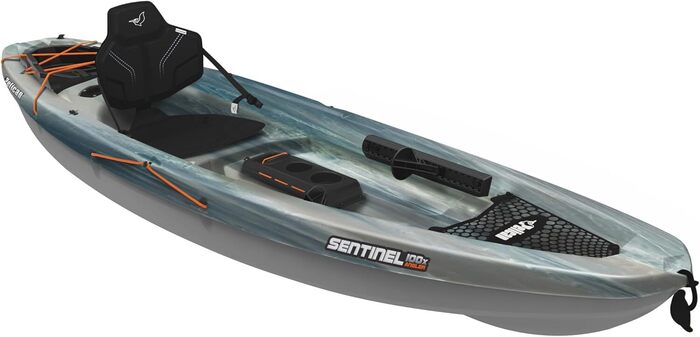
Winter winds and cold muscles can compromise your stability on a kayak. Ensure your kayak is rigged for maximum stability and minimal clutter. Using a stakeout pole or a small anchor system with a quick-release trolley is highly beneficial. When you find a productive winter hole in a creek or small lake, anchoring allows you to dissect the area thoroughly without constantly fighting the wind or current, which is a cornerstone of effective small water winter bass tactics.

kayak bass fishing

Check Price

Top Cold-Water Baits and Presentation Strategies

When the water is cold, your lure presentation must be slow, precise, and deliberate. You are trying to trigger an instinctual reaction or present an incredibly easy meal. Finesse is key, but don’t be afraid to use reaction baits that can be worked slowly.

Finesse Jigs

A compact finesse jig (1/4 to 3/8 oz) paired with a low-action trailer (like a chunk or flat-tailed grub) is a legendary winter producer. Gently crawl the jig along the bottom, pausing it frequently for several seconds near rock piles or submerged wood. Often, the bite will be nothing more than a slight heavy feeling on your line.

Suspended Jerkbaits

A suspending jerkbait is incredibly lethal for kayak bass fishing in cold weather. Twitch the bait down to its running depth and let it sit. The pause is when the magic happens; in water below 45°F, pauses of 10 to 30 seconds are often required to tempt a lethargic bass.

Blade Baits and Metal

For the deepest holes in small lakes, blade baits and jigging spoons shine. Drop them vertically beneath your kayak, hop them off the bottom with short, sharp upward sweeps of your rod, and let them flutter back down on a semi-tight line. This metal flash mimics dying shad and triggers aggressive reaction strikes from sluggish bass.

Bait Type Ideal Water Temp Primary Target Area Retrieve Style
Finesse Jig 40°F – 50°F Bottom rock, wood cover, creek drops Ultra-slow crawl with long pauses
Suspending Jerkbaits 38°F – 48°F Suspended fish near steep drops Twitch, twitch, long pause (10-30s)
Blade Bait / Spoon 35°F – 45°F Deepest holes, river channels Vertical hop and flutter
Ned Rig 40°F – 52°F Sandy flats, transition zones Deadsticking, micro-drags

Navigating Creeks vs. Small Lakes in Winter

While both environments are excellent for winter kayak bass fishing, they require slightly different strategic approaches to maximize your success. Adapting your tactics to the specific waterway will keep you on the fish.

Current Breaks in Creeks

In creek systems, current is your primary enemy and guide. Winter bass do not want to fight the flow because it burns precious calories. They will position themselves on the seam where fast water meets slow water, or directly behind current deflectors. Cast your baits upstream and let them drift naturally into these slack-water pockets, keeping a semi-tight line to detect subtle winter bites.

Deep Holes in Small Lakes

Small lakes lack strong currents, so bass rely heavily on depth and cover. Utilize a quality fish finder mounted on your kayak to locate the thermocline or deep baitfish schools. Often, the bass will hover just beneath these baitfish schools, waiting for injured shad to fall. Focus your efforts on the sunny side of the lake in the afternoon, as a mere 1-2 degree temperature increase can turn inactive bass into active hunters.

Conclusion: Embracing the Cold for Big Winter Bass

Winter kayak bass fishing is not about catching fifty fish a day; it is about patience, precision, and the thrill of outsmarting quality bass when conditions are at their toughest. By focusing on small water winter bass tactics, keeping your safety at the forefront, and slowing your presentations down to a crawl, you can unlock some of the best kayak bass fishing in cold weather of the entire year. Bundle up, rig your kayak safely, and go claim your winter trophies!

Filed Under: Bass Fishing Tagged With: Cold Water Tactics, Creek Fishing, Kayak Fishing, winter bass fishing

Deep Water Jigging for Winter Bass: The Vertical Presentation Guide

August 16, 2026 By best bait bass

As winter tightens its grip and water temperatures plummet into the 40s and 30s, most anglers pack away their tackle and wait for spring. However, some of the most consistent and rewarding fishing occurs during these frigid months. Bass do not stop eating when the temperature drops; they simply relocate to stable environments and slow down their activity levels. To target them effectively, you must adapt your approach. This is where deep water bass fishing shines, offering a pathway to target concentrated schools of inactive fish.

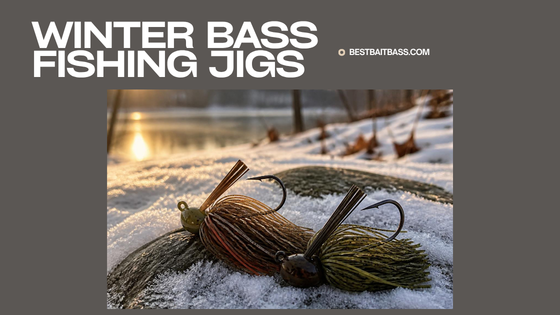
winter bass fishing jigs

The secret to success in freezing conditions lies in the vertical plane. When bass suspend over deep structure or hug the bottom of channel swings, casting and retrieving horizontal baits becomes highly inefficient. Instead, vertical jigging for bass allows you to keep your lure directly in the strike zone for extended periods, enticing lethargic fish that refuse to chase a fast-moving meal. In this comprehensive guide, we will break down the essential cold water bass techniques, analyze the best winter bass fishing jigs, and explore the exact tactics needed to master this lethal winter presentation.

Understanding Winter Bass Behavior in Deep Water

In winter, largemouth, smallmouth, and spotted bass seek thermal stability. Shallow water is subject to rapid temperature fluctuations caused by winter winds and cold fronts, whereas deep water reservoirs and lakes remain relatively stable. Bass migrate along underwater highways to reach deep river channels, main lake points, roadbeds, and steep ledges. Understanding these migration routes is the foundation of successful winter angling.

The Winter Thermocline and Water Temperatures

As the surface water cools, it becomes denser and sinks, a process known as lake turnover. Eventually, the water column stabilizes, and bass find comfort in deeper pockets where the water is slightly warmer—often around 39 to 44 degrees Fahrenheit. At these depths, their metabolic rate drops dramatically. They will not chase fast-moving lures, making slow, vertical presentations absolute necessities for success.

Locating Winter Bass on Electronics

Modern electronics are your greatest asset for deep water bass fishing. Use your side-imaging and down-imaging sonar to scan deep structural transitions. Look closely for schools of baitfish, such as shad or herring. Where there is bait, bass are never far behind. Look for arches holding tight to the bottom or suspended just beneath the bait balls. Once you locate these fish, position your boat directly over them to initiate a vertical attack.

Selecting the Perfect Winter Bass Fishing Jigs

Having the right lure is crucial when the bite is tough. Winter bass are notoriously picky, requiring either a highly realistic, subtle presentation or an aggressive, reaction-inducing flash. Choosing between these options depends on water clarity, depth, and the activity level of the fish.

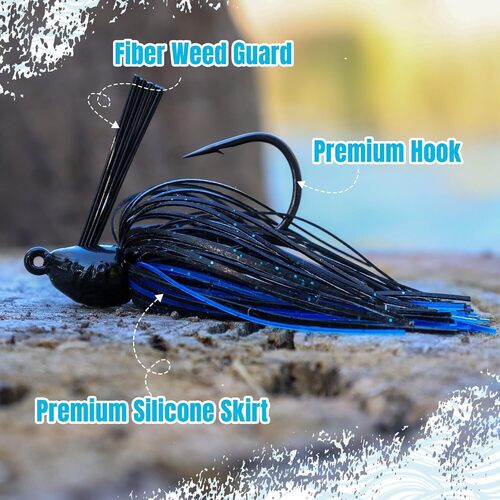
Swim Jig for Bass Fishing

Check Price

Heavy Metal: Jigging Spoons vs. Blade Baits

When bass are actively feeding on dying shad in deep water, metal lures are incredibly effective. A classic chrome jigging spoon mimics a fluttering, dying baitfish as it falls through the water column. Blade baits, on the other hand, emit a tight, high-frequency vibration when lifted, triggering aggressive reaction strikes from otherwise lethargic bass.

Subtle Action: Hair Jigs and Football Jigs

When the bite is exceptionally slow, synthetic or natural hair jigs (such as marabou or bucktail) provide a lifelike, breathing action even when held completely still. Traditional football jigs with a slow-moving craw trailer also excel when fished along deep rocky bottoms, dragging slowly through the cold water to mimic sluggish winter crawfish.

Jig Type Ideal Depth Action Level Target Bait Mimic Best Structure
Jigging Spoon 30 – 60 feet High (Fluttering) Dying Shad / Herring Deep Ledges & Humps
Blade Bait 20 – 45 feet High (Vibration) Stressed Baitfish Channel Swings
Hair Jig 15 – 35 feet Very Low (Breathing) Minnows & Insects Rock Piles & Gravel
Football Jig 15 – 40 feet Low (Crawling) Crawfish Main Lake Points

Mastering the Vertical Jigging Presentation

Success with vertical jigging for bass requires extreme patience and precision. Unlike traditional casting, vertical jigging is a game of inches, played out directly beneath your boat’s transducers. Your main objective is to keep your bait directly in front of the fish’s nose without overworking it.

The Yo-Yo Technique

The yo-yo technique is the standard method for fishing spoons and blade baits. Drop your lure down to the depth where you see fish on your sonar. With a controlled motion, lift your rod tip 12 to 24 inches, then let the bait flutter back down on a semi-slack line. Most bites occur on the fall, so pay close attention to any sudden slack or a slight “tick” in your line.

The Deadstick Method

On days when the weather is brutal and the bass are extremely inactive, the deadstick method is unmatched. Lower a hair jig or a small jigging spoon down to the target depth and hold it completely still. The subtle currents in the water and the natural movement of your boat will give the lure just enough life to coax a bite from a stubborn bass.

Detecting the Subtle Winter Bite

Winter bites are rarely aggressive. You will not feel a violent strike; instead, you might feel a slight weightlessness, a faint pressure, or your line might simply stop sinking. Constantly monitor your line where it enters the water and use your electronics to watch how fish react to your bait in real-time.

Gear and Tackle Setup for Deep Water Jigging

To successfully land deep-water monsters in freezing weather, your tackle must be finely tuned. Cold hands and deep water make sensitivity your number one priority.

Rod Selection: Sensitivity is Key

A medium to medium-heavy power rod with a fast or extra-fast action is ideal for vertical jigging. The fast action allows for quick hook sets in deep water, while the sensitive tip ensures you feel even the lightest winter bites. A spinning rod is often preferred for lighter hair jigs, while a baitcasting setup works best for heavy spoons and football jigs.

Line Choices: Fluorocarbon vs. Braided Lines

Line selection can make or break your winter fishing trip. Fluorocarbon is excellent because it sinks quickly, is virtually invisible in clear winter water, and has minimal stretch. Alternatively, a main line of thin braided line paired with a long fluorocarbon leader offers the ultimate combination of sensitivity and strength, ensuring you feel every minor interaction deep below.

Conclusion

Deep water jigging for winter bass is a test of patience, precision, and adaptation, but the rewards are well worth the effort. By understanding how bass behave in cold conditions, selecting the right winter bass fishing jigs, and mastering vertical presentations, you can turn the coldest days of the year into your most successful outings. Remember to bundle up, monitor your electronics closely, and keep your presentation vertical to dominate the deep water this winter.

Filed Under: Bass Fishing Tagged With: bass jigs, cold water fishing, deep water bass, vertical jigging, winter bass fishing

The Ned Rig Guide: Why Less is More for Finesse Bass Fishing

July 27, 2026 By best bait bass

There is an old adage in angling that to catch bigger fish, you need to use bigger lures. While that might hold true when you are hunting trophy-class predators on active feeding cycles, there comes a time on every body of water when the traditional playbook fails. Cold fronts roll in, recreational boat traffic peaks, or recreational pressure turns otherwise aggressive largemouth and smallmouth bass into tight-lipped, highly suspicious spectators. This is where finesse bass fishing saves the day, and no tactic in the modern era has revolutionized this category quite like the Ned rig.

ned rig fishing

At first glance, the Ned rig looks almost laughable. It consists of a small, blunt-cut chunk of soft plastic matched with a light, open-hook jig head. It does not possess flashy spinner blades, loud internal rattles, or a hyperactive paddle tail. Yet, despite its unassuming profile, ned rig fishing has become an indispensable technique for professional tournament anglers and weekend warriors alike. The secret lies in its minimalism. By presenting an easy, highly realistic, and vulnerable meal, this rig coaxes bites from bass that would otherwise ignore every other presentation in your tackle box.

Understanding the Ned Rig Phenomenon

To truly master the Ned rig, you must first understand the philosophy behind it. Pioneered by legendary outdoor writer Ned Kehde, this style of fishing—originally referred to as “Midwest Finesse”—was designed to catch high numbers of bass in heavily pressured public reservoirs. The core concept is simple: present a small, slow-moving bait that mimics natural forage like crawfish, insects, or dying minnows.

The Origins of Midwest Finesse

Ned Kehde developed this system using customized tackle, often cutting larger soft plastics in half to create smaller profiles. He realized that bass in highly pressured lakes quickly learn to avoid large, fast-moving artificial lures. By scaling down the presentation and fishing it on incredibly light line, Kehde found he could trigger consistent bites even on the toughest days of the year.

Why Bass Can’t Resist the “Do-Nothing” Action

Unlike active swimbaits, the Ned rig relies heavily on a “do-nothing” subtle appeal. When the rig rests on the bottom, the buoyant soft plastic stands straight up, shaking slightly with the natural movement of the water current. To a bass, this upright posture perfectly replicates a defensive crawfish or a small baitfish feeding on the bottom. The lack of aggressive movement is precisely what makes it so non-threatening and irresistible.

Essential Gear for Ned Rig Fishing

While the Ned rig is incredibly simple, using the correct tackle is non-negotiable. Because you are throwing exceptionally light baits, a heavy baitcasting setup will only result in frustration and nested lines. Succeeding with this technique requires a dedicated spinning tackle setup designed for maximum sensitivity.

The Perfect Rod and Reel Setup

A medium-light power spinning rod with a fast action tip is the gold standard for ned rig fishing. The soft tip allows you to cast lightweight jig heads accurate distances, while the medium-light backbone provides enough power to drive the thin-wire hook home and steer bass away from structure. Pair this rod with a high-quality 2500 or 3000-sized spinning reel featuring a smooth drag system to handle sudden, powerful runs.

Line Selection: Fluorocarbon vs. Braided Main Line

Most elite anglers prefer spooling their spinning reels with a main line of 8 to 15-pound test braided line, tied to a long leader of 6 to 8-pound test fluorocarbon. The braided main line offers zero stretch and exceptional sensitivity, allowing you to feel every pebble, transition, and subtle bite. The fluorocarbon leader provides the stealth needed in ultra-clear water, ensuring suspicious bass do not spot your line.

Selecting the Best Ned Rig Baits and Jigs

Not all soft plastics and jig heads are created equal. To maximize your success, you must pair the right hook with the best ned rig baits. The market is filled with options, but understanding material properties is key.

Soft Plastic Profiles and Materials

The most critical advancement in Ned rig fishing was the introduction of hyper-buoyant, tear-resistant materials like ElaZtech. Traditional plastisol baits sink flat to the bottom, whereas ElaZtech baits naturally float. This buoyancy is crucial because it keeps the tail of your bait pointing upward at rest. Popular profiles include straight stick worms, ribbed craw profiles, and miniature creature baits.

Jig Head Shapes and Weedless Options

The classic Ned rig jig head features a mushroom-shaped head. This design is engineered to keep the bait standing upright when it contacts the bottom. For fishing around heavy vegetation, brush, or timber, look for jig heads equipped with light wire weedguards. These guards prevent snagging while remaining soft enough to easily collapse when a bass strikes, ensuring a solid hookset.

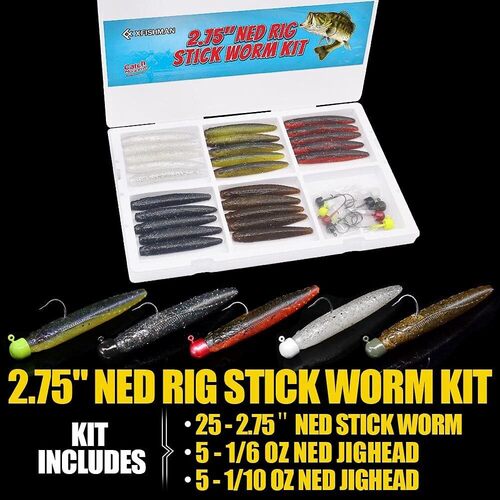
Ned Rig Kit

Check Price

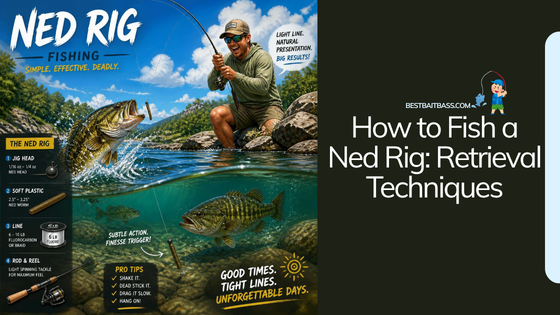
How to Fish a Ned Rig: Master the Retrieval Techniques

Knowing how to fish a ned rig boils down to patience and reading the water. Unlike fast-moving search baits, you must slow down your presentation to let the lure do the work for you. There are three primary retrieval methods that consistently put bass in the boat.

The Classic Drag and Shake

Cast your rig out and allow it to sink to the bottom on a completely slack line. Once it makes contact, slowly drag the bait along the bottom by sweeping your rod tip to the side. As you drag, gently shake your rod tip to transmit subtle vibrations down to the bait. Stop, wind up the slack, and repeat. Many bites occur during the pause immediately following a drag.

The Swim and Glide

This technique is highly effective when bass are suspended off the bottom or feeding on baitfish. After casting, begin a slow, steady reel turn while keeping your rod tip raised. Allow the bait to glide through the middle of the water column, occasionally stopping your retrieve to let the rig slowly spiral back down toward the bottom.

The Hop and Fall

If you are fishing over rocky bottoms or submerged structures, hopping the rig can trigger aggressive reaction strikes. Snap your rod tip upward to lift the jig head a foot or two off the bottom, then let it fall back down on a semi-slack line. Watch your line closely as the bait falls, as bass will often grab it on the descent.

60 pcs ned rig soft worms kit

Check Price

Comparing Finesse Tactics

To help you decide when to tie on a Ned rig versus other popular finesse bass fishing options, refer to the comparative table below:

Technique Ideal Depth Best Structure/Cover Action Level Target Bass Activity
Ned Rig 1 – 20 feet Gravel, Rocks, Clay Low / Subtle Highly Lethargic to Neutral
Drop Shot 10 – 50 feet Deep Ledges, Humps Medium / Shaking Suspended or Bottom-Hugging
Wacky Rig 1 – 10 feet Docks, Overhanging Trees Medium / Fluttering Shallow & Actively Cruising
Shaky Head 5 – 25 feet Brush Piles, Rock Piles Medium / Constant Shake Foraging on Bottom

Seasonal Strategies for Ned Rig Success

The beauty of this system is its year-round efficacy. No matter the season, a variation of this downsized presentation will produce bites.

Spring Cold Fronts

During the spring, pre-spawn bass are prone to moving shallow only to be pushed deep again by sudden cold fronts. When these atmospheric changes occur, the fish become incredibly lethargic. Pitching a Ned rig to the first break line outside of spawning flats is an incredibly effective way to salvage a tough spring day.

Summer Lull and Deep Structure

As water temperatures soar, bass migrate to deeper structures like main-lake points, humps, and ledge systems. While deep diving crankbaits and heavy jigs work when fish are active, they can quickly scare off school residents. Dragging a light Ned rig through these deep offshore areas will trigger consistent bites from pressured summer schools.

Fall Transitions and Winter Lethargy

In autumn, bass follow baitfish into shallow creeks. Matching your Ned rig bait color to the local forage can prove deadly. When winter arrives and water temperatures plummet, a bass’s metabolism slows down to a crawl. The slow, delicate presentation of a Ned rig allows you to fish slow enough to match their sluggish winter pace.

Conclusion: Embracing the Finesse Revolution

In a sport often dominated by high-speed boats, heavy tackle, and loud lures, the Ned rig stands as a testament to the power of subtlety. By choosing to downsize your gear and slow down your approach, you unlock a highly consistent method for catching bass under the most challenging conditions. Keep your tackle light, choose high-quality buoyant baits, and never underestimate the power of doing absolutely nothing on the water. Tie on a Ned rig during your next outing, and experience firsthand why less is truly more in the world of bass fishing.

Filed Under: Bass Fishing, Best bass lures Tagged With: BASS LURES, Finesse Fishing, Fishing Techniques, Ned Rig, Soft Plastics

Summer Topwater Tactics: The Ultimate Guide to Working a Whopper Plopper

July 22, 2026 By best bait bass

There is nothing quite like the heart-stopping explosion of a bucketmouth bass shattering the surface of the water in the heat of a summer afternoon. As water temperatures rise, bass often retreat to the shallows or cruise near baitfish schools, making them prime targets for topwater bass lures. Among the many options in an angler’s tackle box, the Whopper Plopper has emerged as a undisputed king of surface-churning action. By combining the versatility of a prop bait with the erratic profile of a wake bait, it triggers aggressive strikes that are as visual as they are rewarding.

Whopper Plopper

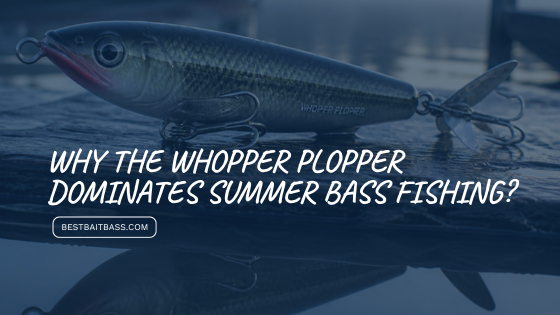
Why the Whopper Plopper Dominates Summer Bass Fishing

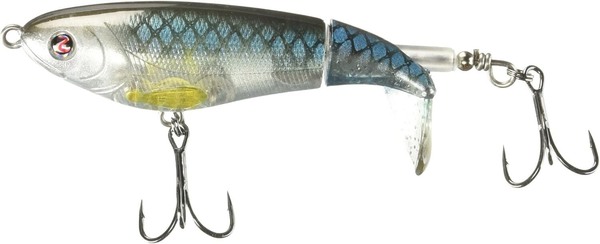
The secret to the Whopper Plopper lies in its unique tail design, which rotates to create a distinct ‘plopping’ sound that mimics struggling prey. During the summer, bass are highly active and rely heavily on vibration and sound to hunt in murky or stained water. Unlike traditional poppers that require specific pauses, the Whopper Plopper excels at covering vast amounts of water efficiently. Whether you are targeting weed lines, dock pilings, or submerged timber, the bait’s ability to stay on top regardless of retrieval speed makes it a must-have for summer bass fishing.

Targeting Transition Zones

To maximize your success, focus on transition areas such as points leading into coves or the edges of lily pad fields. In the early morning and late evening, bass often push baitfish into these shallow areas. By casting parallel to these structures, you keep your lure in the strike zone longer, increasing the odds of a big strike.

Understanding the Best Topwater Retrieve

Many beginners make the mistake of reeling a Whopper Plopper like a standard spinnerbait. While a steady retrieve works, the best topwater retrieve involves variation. Start with a slow, rhythmic retrieve to allow the tail to engage fully, creating that signature gurgling sound. If you don’t get a strike, try incorporating brief pauses or slight twitches of the rod tip to make the lure appear wounded and vulnerable. Bass are opportunistic feeders, and the ‘stop-and-go’ technique often triggers a reflex strike from a following fish that was previously undecided.

Essential Gear for Whopper Plopper Success

When fishing topwater baits, your gear setup is just as important as your technique. Because the Whopper Plopper has a wide profile and creates significant resistance, a medium-heavy casting rod with a moderate-fast action is ideal. This allows for enough backbone to set the hook, while the moderate tip ensures you don’t pull the lure out of the fish’s mouth during the initial strike. Pair this with a high-speed reel to quickly pick up slack line once a fish commits.

The Importance of Line Choice

Monofilament is generally preferred for topwater fishing because it floats, which prevents the nose of the lure from diving or pulling under the surface. If you must use braided line, ensure you add a monofilament leader to keep the lure riding high.

Whopper Plopper topwater fishing lure
Check Price


Comparing Whopper Plopper Sizes for Success

Choosing the right size depends on the local forage and the aggression level of the bass. Below is a quick comparison table to help you select the right model for your day on the water.

Size Best Application Water Conditions Retrieve Style
75 Finesse / Small Forage Clear Water / Calm Subtle / Slow
90 All-Purpose Varied Variable
110 Large Baitfish / Active Bass Stained / Windy Aggressive
130 Big Fish / Heavy Cover Murky / Rough Loud / Steady

Conclusion: Mastering the Surface Strike

The Whopper Plopper is more than just a lure; it is a versatile tool that can turn a slow summer day into a trophy-filled outing. By understanding the importance of your retrieval speed, choosing the right gear, and matching the size to your local conditions, you will significantly improve your efficiency on the water. Remember, the key to successful topwater fishing is patience. Do not set the hook the instant you hear the splash; wait until you feel the weight of the bass on your line. Now, get out there, start casting, and experience the thrill of the topwater explosion for yourself.

Filed Under: Bass Fishing, Topwater lures Tagged With: BASS FISHING, lure tactics, summer fishing, Topwater lures, Whopper Plopper

  • Page 1
  • Page 2
  • Page 3
  • Interim pages omitted …
  • Page 5
  • Go to Next Page »

Primary Sidebar

Product categories

  • Fishing Gifts
  • Bass Fishing Gear
    • Fishing Rods
    • Fishing Rod and Reel Combos
    • Fishing Tackle Boxes and Bags
    • Fishing Line
    • Complete Fishing Set
    • Fishing Reels
    • Lures
    • Fishing Storage Rack
    • Fishing Line Spooler

Recent Posts

  • Can Bass See Fishing Line? The Ultimate Guide to Line Visibility
  • Do Bass Remember Being Caught? What Science Reveals About Bass Memory
  • Can Bass See in the Dark? Night Fishing Vision & Science Explained
  • Do Bass Sleep? What Science Reveals About Bass Resting Behavior
  • The Finesse Revolution: How to Catch Pressured Bass with Micro Ned Rigs

Affiliate Disclaimer

BestBaitBass.com is a participant in the Amazon Services LLC Associates Program, an affiliate advertising program designed to provide a means for sites to earn advertising fees by advertising and linking to (“Best Bait Bass” (amazon.com, or endless.com, MYHABIT.com, SmallParts.com, or AmazonWireless.com).

Footer

Categories

  • Bass Fishing (21)
  • Bass Fishing Questions Answered (4)
  • Best bass lures (12)
  • Best Bass Lures By Season (4)
  • Best Reels (2)
  • Crankbait (2)
  • Fishing Gear (2)
  • Fishing Techniques (2)
  • Jerkbaits (1)
  • Jigs (1)
  • Spinnerbaits (2)
  • Swimbaits (2)
  • Topwater lures (2)
  • Worms (1)
can bass see fishing line

Can Bass See Fishing Line? The Ultimate Guide to Line Visibility

do bass remember being caught

Do Bass Remember Being Caught? What Science Reveals About Bass Memory

can bass see in the dark

Can Bass See in the Dark? Night Fishing Vision & Science Explained

do bass sleep

Do Bass Sleep? What Science Reveals About Bass Resting Behavior

Products

  • Wild Water Fly Fishing 56 weight 9 foot, 4-piece Fly Rod and 85mm Die Cast Aluminum Reel Wild Water Fly Fishing Rod and Die Cast Aluminum Fly Reel Complete Kit
  • vitchelo dry bag backpack 30L waterproof bag for water sports like kayaking, camping or fly fishing includes waterproof pouch Vitchelo Dry Bag Backpack 30L Waterproof Bag for Water Sports like Kayaking, Camping or Fly Fishing includes Waterproof Pouch
  • Sougayilang Fishing Rod 2.1M6.89FT with Right Handed Reel Baitcasting Rod Reel with Carrier Bag Sougayilang Casting/Spinning Bass Fishing Rod and Reel with Carrier Bag
  • piscifun honor spinning reel waterproof design exceptional smooth powerful 10+1bb fishing reels Piscifun Honor Spinning Reel Exceptional Smooth Powerful 10+1BB Fishing Reels
  • piscifun sword 4-piece graphite fly fishing rod 9ft with chromed guide, 3a grade cork handle and durable pvc rod tube Piscifun Sword 4-piece Graphite Fly Fishing Rod 9ft with Chromed Guide, 3A Grade Cork Handle and Durable PVC Rod Tube

Tags

BASS BASS BAIT BASS BAITS Bass Behavior Bass Facts BASS FISHING BASS FISHING BAITS BASS FISHING LURES bass jigs BASS LURE BASS LURES Bass Science BEST BAIT FOR BASS BEST BAIT FOR BASS FISHING BEST BAITS FOR BASS BEST BAITS FOR BASS FISHING BEST BASS FISHING BAIT BEST BASS FISHING LURE BEST LURE FOR BASS BEST LURES FOR BASS BEST LURES FOR BASS FISHING Cold Water Tactics Creek Fishing deep water bass DIY fishing lures Finesse Fishing Fish Behavior fishing gear fishing reels Fishing Techniques fishing tips Kayak Fishing Largemouth Bass Lightweight Kayaks Lure Techniques Ned Rig pressured bass Soft Plastics SPINNERBAIT Swimbaits TEXAS RIG Topwater lures vertical jigging Walking Baits winter bass fishing

© 2026 Best Bass Fishing Lures
 · Powered by BestBaitBass.com