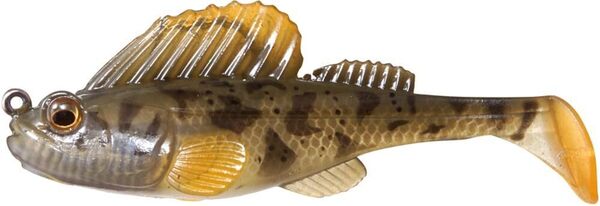
The Megabass Dark Sleeper is arguably one of the most versatile baits in a modern angler’s tackle box. Designed to mimic a bottom-dwelling goby or bullhead, its unique dorsal fin housing the hook makes it a natural for fishing around rocks and stumps. However, for those willing to experiment, this lure holds untapped potential when modified correctly. By mastering Megabass Dark Sleeper modifications, you can turn a standard swimbait into a weedless powerhouse capable of dragging through the thickest grass mats and timber piles where giant bass lie in wait.
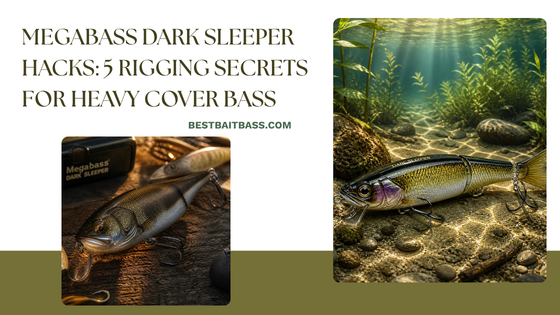
Mastering the Art of Bottom-Hugging Swimbait Fishing
To truly appreciate the Dark Sleeper, you must understand how it interacts with the lake bottom. Unlike traditional swimbaits that require a constant retrieve, the Dark Sleeper is designed to be crawled, hopped, and dragged. Its internal weight distribution ensures the bait maintains a nose-down posture, which is critical for triggering strikes from lethargic or structure-oriented bass.
Why Structure Matters
Bass utilize heavy cover not just for protection, but as a primary hunting ground. By placing your lure exactly where the fish are hiding, you maximize the probability of an impulse strike. The Dark Sleeper’s design allows it to deflect off hard cover, but navigating soft, submerged vegetation often requires some extra ingenuity.
Essential Megabass Dark Sleeper Modifications for Dense Vegetation
When standard rigging fails in heavy hydrilla or milfoil, it is time to look at custom modifications. One of the most effective weedless swimbait hacks involves “trimming the profile.” By carefully thinning out the bottom edges of the side fins, you can reduce the surface area that catches on weeds, allowing the bait to slide through grass with less resistance.
The Super Glue Technique
Another common modification is ensuring the dorsal fin stays secure against the body during the cast. Using a tiny dab of high-quality, water-proof cyanoacrylate (super glue) at the very base of the fin can ensure it stays flush until a fish strikes, at which point the soft plastic easily compresses to expose the hook. This prevents snagging on debris during the retrieve.
Strategic Rigging Secrets for Heavy Cover Performance
When you are rigging swimbaits for cover, the line-to-bait connection is just as important as the lure itself. Many anglers find that using a high-strength fluorocarbon leader helps with abrasion resistance when pulling the bait out of gnarly timber. Below is a comparison table outlining how to select the right weight class of Dark Sleeper for different cover types.
| Cover Type | Dark Sleeper Size | Recommended Retrieve | Retrieval Speed |
|---|---|---|---|
| Sparse Rocks | 3.0 inch | Hopping / Dragging | Slow |
| Thick Grass | 3.8 inch | Swimming / Dragging | Moderate |
| Heavy Timber | 3.0 or 3.8 inch | Deflecting / Bumping | Fast |
| Deep Rip-Rap | 2.4 inch | Steady Crawl | Very Slow |
Fine-Tuning Your Presentation
If you find the bait is getting hung up too often, try downsizing the weight of the swimbait relative to the cover density. A lighter version of the Dark Sleeper can be “skipped” under overhanging branches or docks, providing a presentation that standard jig heads simply cannot replicate.
Optimizing Your Setup: Gear Recommendations
Success with these modifications requires the right gear. A medium-heavy power rod with a fast action is essential for driving the hook home through the dorsal fin housing and into the bass’s jaw. Pair this with a high-gear-ratio reel to ensure you can pull a large fish out of thick vegetation before it wraps you up.
Line Selection
For heavy cover, do not skimp on line strength. 15-20 lb test fluorocarbon or 40-50 lb braided line is the standard. If you are fishing clear water, use a fluorocarbon leader tied to your braid to maintain the stealthy presentation that makes the Dark Sleeper so deadly.
Conclusion: Level Up Your Swimbait Game
Mastering Megabass Dark Sleeper modifications is a journey of trial and error that pays off in big catches. By focusing on weedless rigging, proper gear selection, and understanding how to effectively present the bait in heavy cover, you significantly increase your efficiency on the water. Don’t be afraid to experiment with your own hacks; the best way to catch more bass is to offer them something they haven’t seen before. Get out there, test these secrets, and watch your catch rate soar.