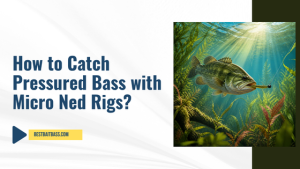
There is an old adage in angling that to catch bigger fish, you need to use bigger lures. While that might hold true when you are hunting trophy-class predators on active feeding cycles, there comes a time on every body of water when the traditional playbook fails. Cold fronts roll in, recreational boat traffic peaks, or recreational pressure turns otherwise aggressive largemouth and smallmouth bass into tight-lipped, highly suspicious spectators. This is where finesse bass fishing saves the day, and no tactic in the modern era has revolutionized this category quite like the Ned rig.
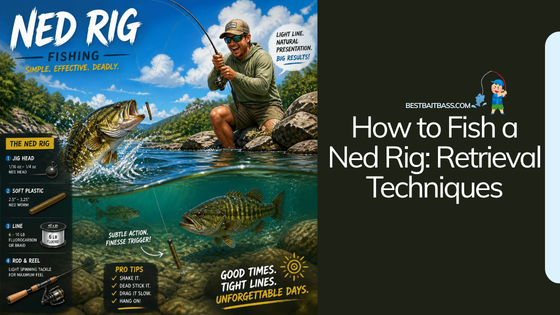
At first glance, the Ned rig looks almost laughable. It consists of a small, blunt-cut chunk of soft plastic matched with a light, open-hook jig head. It does not possess flashy spinner blades, loud internal rattles, or a hyperactive paddle tail. Yet, despite its unassuming profile, ned rig fishing has become an indispensable technique for professional tournament anglers and weekend warriors alike. The secret lies in its minimalism. By presenting an easy, highly realistic, and vulnerable meal, this rig coaxes bites from bass that would otherwise ignore every other presentation in your tackle box.
Understanding the Ned Rig Phenomenon
To truly master the Ned rig, you must first understand the philosophy behind it. Pioneered by legendary outdoor writer Ned Kehde, this style of fishing—originally referred to as “Midwest Finesse”—was designed to catch high numbers of bass in heavily pressured public reservoirs. The core concept is simple: present a small, slow-moving bait that mimics natural forage like crawfish, insects, or dying minnows.
The Origins of Midwest Finesse
Ned Kehde developed this system using customized tackle, often cutting larger soft plastics in half to create smaller profiles. He realized that bass in highly pressured lakes quickly learn to avoid large, fast-moving artificial lures. By scaling down the presentation and fishing it on incredibly light line, Kehde found he could trigger consistent bites even on the toughest days of the year.
Why Bass Can’t Resist the “Do-Nothing” Action
Unlike active swimbaits, the Ned rig relies heavily on a “do-nothing” subtle appeal. When the rig rests on the bottom, the buoyant soft plastic stands straight up, shaking slightly with the natural movement of the water current. To a bass, this upright posture perfectly replicates a defensive crawfish or a small baitfish feeding on the bottom. The lack of aggressive movement is precisely what makes it so non-threatening and irresistible.
Essential Gear for Ned Rig Fishing
While the Ned rig is incredibly simple, using the correct tackle is non-negotiable. Because you are throwing exceptionally light baits, a heavy baitcasting setup will only result in frustration and nested lines. Succeeding with this technique requires a dedicated spinning tackle setup designed for maximum sensitivity.
The Perfect Rod and Reel Setup
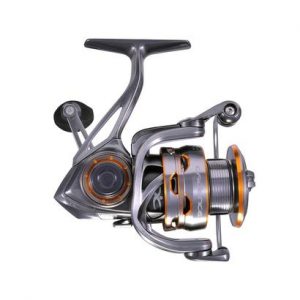
A medium-light power spinning rod with a fast action tip is the gold standard for ned rig fishing. The soft tip allows you to cast lightweight jig heads accurate distances, while the medium-light backbone provides enough power to drive the thin-wire hook home and steer bass away from structure. Pair this rod with a high-quality 2500 or 3000-sized spinning reel featuring a smooth drag system to handle sudden, powerful runs.
Line Selection: Fluorocarbon vs. Braided Main Line
Most elite anglers prefer spooling their spinning reels with a main line of 8 to 15-pound test braided line, tied to a long leader of 6 to 8-pound test fluorocarbon. The braided main line offers zero stretch and exceptional sensitivity, allowing you to feel every pebble, transition, and subtle bite. The fluorocarbon leader provides the stealth needed in ultra-clear water, ensuring suspicious bass do not spot your line.
Selecting the Best Ned Rig Baits and Jigs
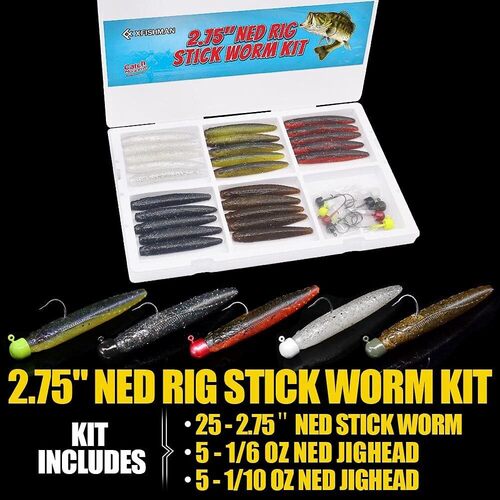
Not all soft plastics and jig heads are created equal. To maximize your success, you must pair the right hook with the best ned rig baits. The market is filled with options, but understanding material properties is key.
Soft Plastic Profiles and Materials
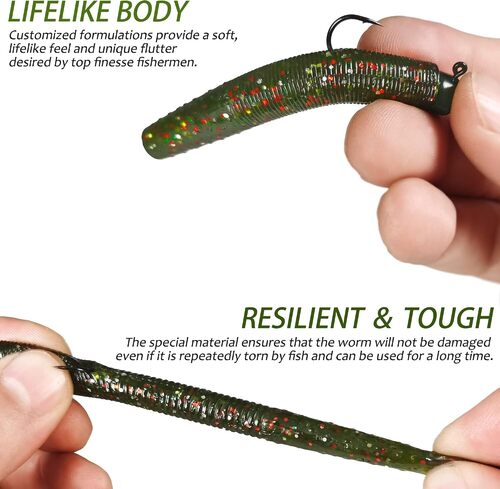
The most critical advancement in Ned rig fishing was the introduction of hyper-buoyant, tear-resistant materials like ElaZtech. Traditional plastisol baits sink flat to the bottom, whereas ElaZtech baits naturally float. This buoyancy is crucial because it keeps the tail of your bait pointing upward at rest. Popular profiles include straight stick worms, ribbed craw profiles, and miniature creature baits.
Jig Head Shapes and Weedless Options
The classic Ned rig jig head features a mushroom-shaped head. This design is engineered to keep the bait standing upright when it contacts the bottom. For fishing around heavy vegetation, brush, or timber, look for jig heads equipped with light wire weedguards. These guards prevent snagging while remaining soft enough to easily collapse when a bass strikes, ensuring a solid hookset.
How to Fish a Ned Rig: Master the Retrieval Techniques
Knowing how to fish a ned rig boils down to patience and reading the water. Unlike fast-moving search baits, you must slow down your presentation to let the lure do the work for you. There are three primary retrieval methods that consistently put bass in the boat.
The Classic Drag and Shake
Cast your rig out and allow it to sink to the bottom on a completely slack line. Once it makes contact, slowly drag the bait along the bottom by sweeping your rod tip to the side. As you drag, gently shake your rod tip to transmit subtle vibrations down to the bait. Stop, wind up the slack, and repeat. Many bites occur during the pause immediately following a drag.
The Swim and Glide
This technique is highly effective when bass are suspended off the bottom or feeding on baitfish. After casting, begin a slow, steady reel turn while keeping your rod tip raised. Allow the bait to glide through the middle of the water column, occasionally stopping your retrieve to let the rig slowly spiral back down toward the bottom.
The Hop and Fall
If you are fishing over rocky bottoms or submerged structures, hopping the rig can trigger aggressive reaction strikes. Snap your rod tip upward to lift the jig head a foot or two off the bottom, then let it fall back down on a semi-slack line. Watch your line closely as the bait falls, as bass will often grab it on the descent.
Comparing Finesse Tactics
To help you decide when to tie on a Ned rig versus other popular finesse bass fishing options, refer to the comparative table below:
| Technique | Ideal Depth | Best Structure/Cover | Action Level | Target Bass Activity |
|---|---|---|---|---|
| Ned Rig | 1 – 20 feet | Gravel, Rocks, Clay | Low / Subtle | Highly Lethargic to Neutral |
| Drop Shot | 10 – 50 feet | Deep Ledges, Humps | Medium / Shaking | Suspended or Bottom-Hugging |
| Wacky Rig | 1 – 10 feet | Docks, Overhanging Trees | Medium / Fluttering | Shallow & Actively Cruising |
| Shaky Head | 5 – 25 feet | Brush Piles, Rock Piles | Medium / Constant Shake | Foraging on Bottom |
Seasonal Strategies for Ned Rig Success
The beauty of this system is its year-round efficacy. No matter the season, a variation of this downsized presentation will produce bites.
Spring Cold Fronts
During the spring, pre-spawn bass are prone to moving shallow only to be pushed deep again by sudden cold fronts. When these atmospheric changes occur, the fish become incredibly lethargic. Pitching a Ned rig to the first break line outside of spawning flats is an incredibly effective way to salvage a tough spring day.
Summer Lull and Deep Structure
As water temperatures soar, bass migrate to deeper structures like main-lake points, humps, and ledge systems. While deep diving crankbaits and heavy jigs work when fish are active, they can quickly scare off school residents. Dragging a light Ned rig through these deep offshore areas will trigger consistent bites from pressured summer schools.
Fall Transitions and Winter Lethargy
In autumn, bass follow baitfish into shallow creeks. Matching your Ned rig bait color to the local forage can prove deadly. When winter arrives and water temperatures plummet, a bass’s metabolism slows down to a crawl. The slow, delicate presentation of a Ned rig allows you to fish slow enough to match their sluggish winter pace.
Conclusion: Embracing the Finesse Revolution
In a sport often dominated by high-speed boats, heavy tackle, and loud lures, the Ned rig stands as a testament to the power of subtlety. By choosing to downsize your gear and slow down your approach, you unlock a highly consistent method for catching bass under the most challenging conditions. Keep your tackle light, choose high-quality buoyant baits, and never underestimate the power of doing absolutely nothing on the water. Tie on a Ned rig during your next outing, and experience firsthand why less is truly more in the world of bass fishing.