When the sun is high, the water is crystal clear, and the fishing pressure is at an all-time high, the trophy bass in your favorite lake seem to develop a graduate-level education in avoiding traditional lures. While standard crankbaits and bulky jigs might trigger aggressive strikes in the spring, pressured bass often require a more subtle approach. Enter the micro ned rig—a game-changing technique that has become the secret weapon for tournament pros and weekend warriors alike. By downscaling your profile, you tap into the innate curiosity and predatory instincts of fish that have ignored everything else in your tackle box.
Understanding the Micro Ned Rig Phenomenon
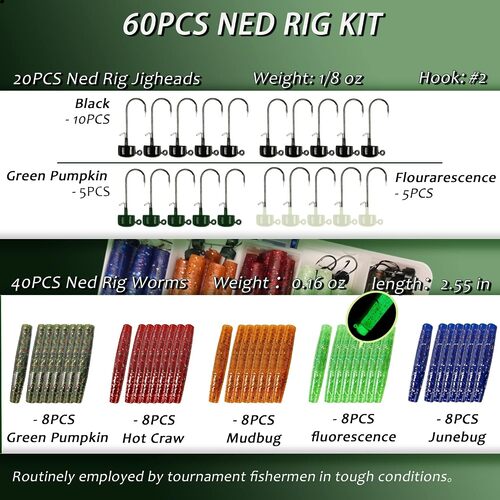
The micro ned rig is essentially a miniature version of the classic Ned rig, typically utilizing baits under 2.5 inches paired with jig heads weighing between 1/32 and 1/16 ounce. The magic lies in the buoyant plastic and the slow, agonizing descent of the bait. Because these baits are so small, they mimic tiny baitfish, crawfish, or aquatic insects that larger bass often consume with zero hesitation.
Why Size Matters in High-Pressure Scenarios
In heavily fished waters, bass become conditioned to the “thump” and vibration of traditional moving baits. A micro ned rig provides a minimalist silhouette that doesn’t trigger the caution sensors of a veteran largemouth or smallmouth. It is the ultimate finesse tool for when conditions are tough.
Essential Gear for Micro Finesse Success
To effectively fish a micro ned rig, you cannot use your standard heavy-action flipping stick. You need specialized gear that allows for casting ultra-light weights while maintaining the sensitivity required to detect the slightest ‘tick’ on the line.
Rod and Reel Specifications
For these tiny weights, a light or ultra-light power spinning rod with a fast action is essential. Pair this with a 1000 or 2000 series spinning reel spooled with 6-pound test fluorocarbon line or a 10-pound braid to 6-pound fluorocarbon leader. The lack of stretch in these lines is vital for setting the hook at the end of a long cast.
Tactical Approaches for Pressured Waters
When you are fishing a pressured fishery, location and patience are your best friends. These fish are often found holding tight to structural elements or suspended in deep grass lines where they feel protected from the onslaught of topwater and spinnerbait anglers.
Identifying Key Zones
Focus on transition zones, such as where hard bottom meets soft silt, or the outer edges of weed beds. A micro ned rig excels when worked slowly along these boundaries, as it mimics natural forage that isn’t moving fast enough to be a threat, but is certainly worth an easy meal.
Comparison: Traditional vs. Micro Ned Rigs
| Feature | Traditional Ned Rig | Micro Ned Rig | Recommended Use |
|---|---|---|---|
| Bait Size | 3.0″ – 4.0″ | 1.5″ – 2.5″ | High pressure / cold water |
| Jig Weight | 1/8 oz – 1/4 oz | 1/32 oz – 1/16 oz | Finesse / ultra-clear water |
| Best Action | Glide / Bounce | Twitch / Dead-stick | Finicky suspended fish |
| Line Weight | 8 lb – 10 lb | 4 lb – 6 lb | Maximum stealth |
Mastering the Retrieval and Presentation
The most common mistake anglers make with the micro ned rig is working it too fast. The bait is designed to stand up on the bottom or quiver in place. The ‘do-nothing’ retrieve is often the most lethal; simply cast it out, let it hit the bottom, and let it sit. If you don’t get a bite in ten seconds, give the rod tip a slight twitch to stir up some silt, then let it sit again.
The Importance of the ‘Dead-Stick’ Technique
Many anglers underestimate the power of letting the bait sit completely still. A micro ned rig’s buoyant material causes the tail to vibrate with even the smallest ripple in the water, mimicking a dying crustacean. This subtle action is often enough to entice a follow-up bite from a bass that has been stalking your bait.
Conclusion
The micro ned rig is more than just a lure; it is a philosophy of patience and precision. By embracing the finesse revolution, you can unlock the potential of your local waters and consistently put more fish in the boat, even on the toughest days. Start by downscaling your gear, focus on the bottom composition, and don’t be afraid to let your bait soak in the strike zone. Once you see how effectively this technique triggers bites from pressured bass, it will quickly become the most important tool in your arsenal.