There is nothing quite as electrifying in the sport of bass fishing as the moment a lunker erupts from the depths to annihilate a lure skittering across the surface. Topwater bass fishing is more than just a technique; it is a visceral experience that tests a angler’s nerves and reflexes. Among the various topwater presentations, the ‘walk the dog’ retrieve stands out as the gold standard for triggering aggressive strikes from both active and neutral fish.
Mastering this erratic, side-to-side motion requires patience, practice, and the right equipment. Whether you are a weekend warrior or a tournament professional, understanding how to manipulate your lure to mimic a distressed baitfish is a skill that will consistently put more bass in the boat throughout the warmer months of the year.

The Art of Topwater Bass Fishing
Fishing topwater lures requires a departure from traditional bottom-bouncing tactics. Instead of waiting for a subtle tick on your line, you are hunting for reaction strikes. When you employ the best topwater retrieve, you are essentially daring a bass to strike. The sight of a fish crashing the surface is addictive, but it requires the angler to maintain composure, waiting until the weight of the fish is felt before setting the hook.
Why Walking Baits Dominate
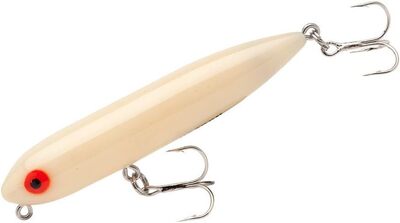
Walking baits, often referred to as cigar-shaped topwaters, are designed to glide in a zig-zag pattern. This motion is difficult for bass to ignore because it mimics a dying or fleeing baitfish perfectly. Unlike poppers, which create significant surface disturbance, walking baits can be worked with a subtle rhythm or a frantic pace to match the mood of the fish.
Understanding the Walk the Dog Retrieve
To effectively walk the dog, you must create a rhythmic cadence between your rod tip and your reel. The retrieve is achieved by twitching your rod tip downward in short, controlled snaps while simultaneously reeling in the slack created by each twitch.
Troubleshooting Your Rhythm
Many beginners struggle with the lure either spinning in circles or failing to move side-to-side. The key is the slack. If you keep the line too tight, the lure will travel in a straight line toward the boat. If you manage the slack properly, the lure snaps from left to right, covering water effectively. It is recommended to start slow, focusing on the twitch-pause-twitch rhythm rather than speed. Speed comes naturally once you develop muscle memory.
Comparison of Topwater Lure Styles
| Lure Category | Primary Action | Best Condition | Sound Profile |
|---|---|---|---|
| Walking Bait | Side-to-side Glide | Calm to Light Chop | Knocker/Rattle |
| Popper | Cup-face Splash | Calm/Targeted Cover | Loud Pop |
| Prop Bait | Spinning Propeller | Overcast/Low Light | Constant Whir |
Essential Gear for Topwater Success
Your rod, reel, and line choice play a massive role in how well your lure performs. A rod that is too soft will absorb the energy of your twitches, making it impossible to walk the lure correctly. Conversely, a rod that is too stiff may cause you to rip the hooks out of the fish’s mouth on the set.
Rod and Line Selection
A medium-heavy power rod with a fast action is ideal for most walking baits. This provides enough backbone to cast long distances while keeping enough tip sensitivity to twitch the lure effectively. Regarding line, monofilament is often preferred over fluorocarbon for topwater. Because monofilament floats, it prevents the nose of the lure from being dragged underwater, which is a common issue with sinking fluorocarbon lines.
Environmental Factors and Seasonal Timing
Topwater fishing is largely a game of temperature and light. Bass are sight predators, and while they can track lures by sound, they are most aggressive when they can clearly track the bait near the surface. Early morning and late evening are prime times, as is overcast weather throughout the day.
Targeting Cover and Structure
Focus your efforts on the transition zones between shallow flats and deeper water. Bass often use these depth changes as staging areas. Walking baits are particularly effective when retrieved parallel to weed edges, boat docks, or over submerged grass beds where bass are waiting to ambush prey.
Conclusion
Mastering the walk the dog retrieve is a transformative milestone for any bass angler. By focusing on your rod cadence, maintaining slack in the line, and choosing the right monofilament gear, you can unlock the full potential of your walking baits. Remember that topwater fishing is about consistency and confidence; keep your retrieve steady, watch your lure closely, and prepare for the adrenaline rush of the strike. The next time you hit the water, dedicate time to perfecting this classic technique and enjoy the explosive rewards it brings.