• Skip to primary navigation
  • Skip to main content
  • Skip to footer
  • Crankbait
  • Spinnerbaits
  • Jigs
  • Swimbaits
  • Topwater lures
  • Jerkbaits
  • Worms

Best Bait For Bass

Best Bass Baits, Lures - Best Spinning Reels - Best Rods and Best Lines for Bass. Everything for Bass Fishing


  • Home
  • Bass Baits and Lures
  • Shop

Best Bait for Bass

Can Bass Smell Bait? Understanding Bass Olfaction and How It Affects Your Catch Rate

November 18, 2026 By best bait bass

If you’ve ever watched a bass follow your lure only to turn away at the last second, you’ve probably wondered what went wrong. Was it the lure’s action? The retrieve speed? Or did the fish detect something that simply didn’t seem right?

Many anglers focus almost entirely on sight and vibration when trying to trigger strikes, but bass use more than their eyes to evaluate potential prey. One of the most overlooked senses in bass fishing is smell. Understanding how bass detect chemical signals in the water can help you make better decisions when choosing lures, attractants, and presentations.
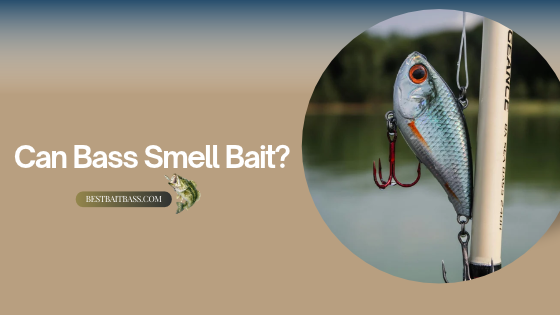
can bass smell bait

So, can bass smell bait?

The short answer is yes. Bass possess a surprisingly sophisticated sense of smell that helps them locate food, identify potential prey, and gather information about their environment.

The Science of Bass Olfaction

Bass use specialized sensory organs to detect chemical compounds dissolved in water.

Unlike humans, fish don’t smell by inhaling air. Instead, water continuously flows through structures on the fish’s snout called nares, exposing sensory cells to chemicals carried through the water.

This allows bass to gather valuable information even when visibility is poor.

How Bass Nares Work

Bass have two openings on each side of the snout:

  • An anterior opening where water enters
  • A posterior opening where water exits

As water passes through these structures, specialized sensory receptors analyze chemical compounds in the surrounding environment.

This system allows bass to detect:

  • Potential food sources
  • Injured prey
  • Biological activity
  • Environmental changes

In many situations, a bass is effectively “sampling” the water around it as it moves through its habitat.

Can Bass Smell Bait?

Absolutely.

Bass can detect many of the chemical compounds naturally released by prey species.

These include:

  • Amino acids
  • Biological oils
  • Proteins
  • Other organic compounds released by baitfish, crayfish, worms, and aquatic organisms

Because bass naturally encounter these chemical cues while feeding, they often associate them with potential food sources.

This is one reason many soft-plastic manufacturers infuse their lures with scent attractants.

Does Scent Really Make a Difference?

This is where many anglers disagree.

While scent alone rarely makes a bass chase a lure across the lake, it can influence what happens after the fish approaches the bait.

In many situations:

  • Vision gets the fish’s attention.
  • Vibration helps the fish locate the target.
  • Scent helps confirm whether the object resembles food.

Think of scent as the final piece of information rather than the primary trigger.

How Bass Use Different Senses

Sensory System Primary Purpose Most Important When
Vision Detect prey visually Clear water and daylight conditions
Lateral Line Detect vibration and water movement Stained water and low visibility
Smell Evaluate chemical cues and food signals Slow presentations and close-range inspections
Hearing Detect underwater sounds and disturbances Low-visibility environments

Key Takeaway: Bass rarely rely on a single sense. Successful feeding behavior usually involves a combination of vision, vibration, smell, and environmental awareness.

Can Largemouth Bass Smell Worms?

Yes.

Natural worms release amino acids and organic compounds that bass can detect.

This sensitivity to biological chemicals is one reason why live bait often remains effective. Even when fish are reluctant to feed, natural bait continues releasing scent into the surrounding water.

Artificial lure manufacturers attempt to replicate this response through scented plastics, gels, and attractants designed to imitate natural prey odors.

Can Bass Smell Human Scent?

This is one of the most debated subjects in bass fishing.

Many anglers believe substances such as:

  • Sunscreen
  • Insect repellents
  • Gasoline
  • Tobacco residue
  • Hand lotions

can negatively affect lure performance.

Bass can certainly detect foreign chemicals in the water. However, the extent to which common human odors consistently reduce catch rates remains unclear and often varies depending on fishing conditions.

Even so, many experienced anglers prefer to minimize unnecessary odors and handle baits with clean hands whenever possible.

Choosing the Right Scented Products

There are several ways to incorporate scent into your presentation.

Scent-Impregnated Soft Plastics

Many modern soft plastics are manufactured with scent and salt already embedded into the bait.

These lures release chemical attractants gradually during use.

Scent Sprays and Gels

Sprays and gels can be applied directly to lures before fishing.

Many anglers reapply scent throughout the day to maintain effectiveness.

Scented Dyes

Some lure dyes also contain attractants such as garlic scent, combining visual and chemical attraction in a single product.

When Does Scent Matter Most?

Scent tends to be most effective when bass have time to closely inspect a lure.

This often occurs during finesse fishing presentations.

Examples include:

  • Drop Shot Rigs
  • Texas Rigs
  • Ned Rigs
  • Wacky Rigs
  • Shaky Heads

In these situations, bass frequently spend more time evaluating the bait before committing.

Cold-Water Conditions

In colder water, bass are generally less aggressive and less willing to chase.

A slower presentation combined with a realistic scent profile may help convince hesitant fish to bite.

Tips for Fishing with Scent

Reapply Regularly

Scent wears off over time, especially after multiple casts or fish catches.

Slow Down Your Presentation

A scent trail becomes more effective when bass have time to investigate the lure.

Match the Forage

Choose scent profiles that resemble common forage in your local fishery.

Keep Baits Clean

Avoid unnecessary contact with fuels, chemicals, and heavily scented products before fishing.

Related Bass Questions

  • Can Bass See in the Dark?
  • Do Bass Remember Being Caught?
  • Do Bass Sleep?

Frequently Asked Questions

Can bass smell bait?

Yes. Bass possess specialized olfactory organs that allow them to detect chemical compounds dissolved in the water.

Can bass smell worms?

Yes. Bass can detect amino acids and other compounds naturally released by worms and similar prey.

Can bass smell human scent?

Bass can detect foreign chemicals in the water, although anglers continue to debate how much these scents affect strike rates.

Can bass smell garlic?

Yes. Garlic-based attractants are commonly used in bass fishing and are designed to provide additional chemical cues.

Does scent help catch more bass?

Scent may improve lure acceptance in certain situations, particularly when bass have time to closely inspect the bait.

Do bass rely more on smell or sight?

In clear water, sight is often the dominant sense. In stained or muddy conditions, bass depend more heavily on vibration, scent, and other sensory cues.

Conclusion

Can bass smell bait?

Without question, yes. Bass possess a well-developed sense of smell that helps them gather information about potential prey and their surrounding environment. While scent is rarely the primary trigger for a strike, it can serve as an important confirmation signal that encourages a fish to commit to a lure.

The most successful anglers understand that bass use multiple senses simultaneously. By combining realistic lure action, vibration, visual appeal, and scent, you create a more convincing presentation that increases your odds of triggering a strike.

Rather than viewing scent as a magic solution, think of it as another tool that can help turn curious followers into committed biters, especially when fishing conditions are challenging.


Filed Under: Bass Fishing Questions Answered Tagged With: Bass Behavior, Bass Facts, BASS FISHING, Bass Fishing Tips, Bass Science, Bass Senses, Bass Smell, Largemouth Bass

Why Do Bass Jump? The Science Behind Bass Leaping Behavior

November 14, 2026 By best bait bass

If you’ve spent any time chasing largemouth bass, you’ve probably experienced that mix of excitement and panic when a fish suddenly launches itself out of the water. One second you’re connected to what feels like the fish of the day, and the next you’re watching it shake its head violently in midair, hoping the lure stays pinned.

For many anglers, bass jumps are some of the most memorable moments in fishing. They’re also one of the biggest reasons fish are lost during the fight. Understanding why bass jump can help you land more fish, choose better equipment, and react properly when a bass decides to go airborne.

The truth is that bass don’t jump simply because they’re aggressive. These leaps are often part of a natural escape response driven by instinct, body mechanics, and survival.

Why Do Bass Jump

The Physics and Biology Behind Why Bass Jump

When a bass gets hooked, its immediate goal is simple: get rid of whatever just grabbed hold of its mouth.

Fish don’t know they’re attached to an angler. They only know something is wrong, and their instincts immediately push them toward behaviors that might help them escape.

Trying to Throw the Hook

One of the most common reasons bass jump when hooked is to shake the lure loose.

Many experienced anglers actually become nervous the moment they see a bass racing toward the surface. The jump itself isn’t always the problem. The real issue is what happens once the fish gets airborne.

A bass can violently shake its head while the lure swings freely. That combination of movement, lure weight, and sudden slack often gives the hook just enough opportunity to come loose.

This is especially common with crankbaits, jerkbaits, and other treble-hook lures.

Why Air Gives Bass an Advantage

Water naturally creates resistance against a fish’s movements.

The moment a bass leaves the water, that resistance disappears.

As the fish twists and shakes its head in open air, the lure gains leverage against the hook. If the line goes slack for even a second, your chances of losing the fish increase dramatically.

How Different Lures Behave During Jumps

Lure Type Jumping Risk Why It Happens
Crankbaits High Heavy lure body and treble hooks can create leverage during jumps.
Soft Plastics Low to Moderate Usually rigged with a single hook and lighter weight.
Topwater Lures Moderate to High Bass often strike close to the surface and immediately jump.
Jigs Low Single hooks typically penetrate deeper and stay pinned more effectively.

Key Takeaway: The heavier the lure and the more moving parts it has, the greater the chance that a jumping bass can use it against you.

Why Do Bass Jump When Hooked?

Bass jumps are often part of a natural survival response.

Once hooked, the fish experiences intense physical stress and begins using every available tactic to escape.

Survival Instinct Takes Over

A hooked bass may:

  • Charge toward cover
  • Dive deeper
  • Change direction suddenly
  • Shake its head
  • Leap completely out of the water

These actions are not planned behaviors. They’re instinctive reactions designed to remove threats and increase survival chances.

If you’ve ever watched a bass jump two or three times during a fight, you’ve seen this reaction in action.

Water Depth Plays a Role

Where the fish is hooked often influences what it does next.

Bass caught in deep water frequently dive first.

Bass hooked in shallow water often have nowhere to run except upward. That’s why fish caught around grass lines, docks, flooded cover, and shallow flats seem especially likely to jump.

Do Bass Jump Naturally?

Yes.

Bass don’t only jump when they’re hooked.

Many anglers have watched bass launch themselves out of the water with no fishing line involved at all.

Chasing Baitfish

One of the most common reasons bass jump naturally is feeding activity.

When bass aggressively pursue shad or other baitfish near the surface, their speed and momentum can carry them completely out of the water.

During the Spawn

Spawning bass are highly aggressive and territorial.

Fish protecting nests often react violently to perceived threats, creating dramatic splashes and occasional jumps.

Environmental Triggers

Loud noises, predators, boat traffic, and sudden disturbances can also trigger explosive movements that send bass briefly airborne.

Seasonal Influences on Jumping Behavior

The time of year can affect how aggressively bass fight.

Spring

Many anglers consider spring bass some of the hardest fighters of the year.

Spawning activity, warming water, and elevated aggression often lead to spectacular jumps.

Summer

Warm water increases metabolism and activity levels.

Healthy summer bass are often energetic and capable of multiple aerial displays during a fight.

Fall

Fall bass spend much of their time feeding heavily. When hooked, they can be surprisingly strong and aggressive.

Winter

Cold-water bass still jump occasionally, but fights are generally shorter and less explosive.

Situation Likelihood of Jumping
Hooked near the surface Very High
Topwater strike Very High
During spawning season High
Warm-water conditions High
Deep-water hook-up Moderate
Winter bass Lower

How to Keep Bass From Throwing the Hook

Every angler loses fish. It’s part of bass fishing.

However, there are ways to improve your landing percentage.

Bow to the Fish

Many tournament anglers use a technique known as “bowing to the fish.”

When a bass jumps:

  • Lower the rod tip slightly.
  • Follow the fish’s movement.
  • Avoid pulling hard against the jump.

This reduces leverage and helps keep the hooks pinned.

Keep Steady Pressure

Too much pressure can tear a larger hole in the fish’s mouth.

Too little pressure creates slack.

The goal is steady, controlled tension from the moment the fish is hooked until it’s landed.

Check Your Drag

A properly adjusted drag absorbs sudden bursts of energy.

Many lost fish aren’t the result of a bad hookset. They’re caused by drag systems that are too tight when a bass suddenly changes direction or jumps boatside.

Frequently Asked Questions

Why do bass jump when hooked?

Bass often jump in an attempt to shake the lure free and escape the perceived threat.

Can bass throw a hook by jumping?

Yes. Head shakes combined with lure weight and temporary slack can cause hooks to come loose.

Why do bass jump out of the water naturally?

Bass may jump while chasing prey, reacting to disturbances, or displaying aggressive territorial behavior.

Do largemouth bass jump more than smallmouth bass?

Both species jump frequently, although many anglers consider smallmouth bass to be the more acrobatic fighter.

Does water temperature affect jumping behavior?

Yes. Bass are generally more energetic and aggressive in warmer water than in cold winter conditions.

Conclusion

Ask ten experienced bass anglers about the fish they remember most, and many will describe a bass that jumped. Whether the fish stayed hooked or threw the lure back at the boat, those moments tend to stick with us.

Bass jump because they’re trying to survive. Understanding the biology and mechanics behind these leaps can help you react more effectively when it happens. The next time a largemouth explodes through the surface, you’ll know exactly why it’s happening and what you can do to keep that fish connected all the way to the net.

Related Bass Questions

Do Bass Remember Being Caught?
Do Bass Feel Pain?
Can Bass See in the Dark?
Do Bass Sleep?
Why Do Bass Follow a Lure But Not Bite?

Filed Under: Bass Fishing Questions Answered Tagged With: Bass Behavior, Bass Facts, Bass Fighting Behavior, Bass Fishing Tips, Bass Science, Catch and Release, Largemouth Bass, Smallmouth Bass, Topwater Fishing

Can Bass See Fishing Line? The Ultimate Guide to Line Visibility

November 12, 2026 By best bait bass

Every angler has asked themselves at some point: can bass see fishing line underwater, and is it actively spooking fish away from taking the lure? You cast a perfectly presented jig into crystal-clear water, only to watch a monster largemouth inspect your offering, pause, and swim away. Was it the movement of your lure, or did your line give you away?

Understanding how fish perceive line in different environments can turn slow days into record-breaking trips. The short answer is yes—bass have remarkably sharp vision tuned for survival. However, whether seeing your line prevents them from biting depends on light penetration, water clarity, line diameter, and the specific material you spool onto your reel. In this guide, we will break down the science of bass vision, test different line types, and reveal what line can bass not see under real fishing conditions.

can bass see fishing line

Understanding Bass Vision: How Bass Detect Fishing Line

To figure out can bass see fishing line, we first need to understand how their eyes function. Largemouth bass are visual apex predators in freshwater ecosystems. Their eyes contain both rod and cone cells, which allow them to detect movement, contrast, depth, and specific color wavelengths.

Related: Can Bass See in the Dark?

Research suggests that bass possess color vision and are particularly responsive to portions of the red-orange and green spectrum, although scientists continue to study the full extent of bass color perception. While humans can easily distinguish blues, purples, and fine gradients of color, a bass sees the world in shades of red, green, and contrast gray.

Contrast vs. Color Recognition

When asking what colors can largemouth bass see, it is vital to separate color detection from contrast. Bass are exceptionally good at spotting bright-versus-dark contrast. In shallow or clear water, dark objects silhouetted against a bright surface stand out instantly. Conversely, light objects against a dark muddy bottom draw immediate attention. This high sensitivity to contrast explains why thick, dark lines can startle pressured fish even if the color itself seems neutral to us.

In many situations, contrast may be more important than color itself. A bass often detects the outline or silhouette of an object before processing its color.

Light Wavelengths Underwater

Water filters light depending on depth and particulate matter. Red light vanishes first as depth increases, fading into dark gray by the time it reaches 15 to 20 feet. Green light penetrates significantly deeper. Because bass eyes are tuned to detect green wavelengths, green or camouflaged lines often blend into naturally algae-rich freshwater environments much better than solid dark or neon colors.

Comparing Line Visibility: Can Bass See Fishing Line Underwater?

So, can bass see fishing line in everyday scenarios? Yes, they can. However, seeing a line does not always mean a bass will refuse to strike. In fast-moving situations, reaction strikes often happen before a fish has time to inspect your leader. But in heavy pressure or slow-finesse techniques, line sight can make or break your day.

Light refraction is the primary factor governing how invisible a line appears below the surface. When light travels through water and passes through a fishing line, the line causes the light rays to bend. The closer a material’s refractive index is to that of water (1.33), the less visible it becomes.

Line Type Refractive Properties Visibility in Clear Water Visibility in Murky Water Best Applications
Fluorocarbon Refractive index closest to water Very Low Visibility Very Low Visibility Finesse techniques, drop shots, clear-water presentations, leader material
Monofilament Moderate light refraction Low to Moderate Visibility Low Visibility Topwater lures, moving baits, general-purpose fishing
Copolymer Similar optical properties to monofilament Moderate Visibility Low Visibility Crankbaits, spinnerbaits, versatile casting setups
Green Braid Opaque line with no light transmission High Visibility Low to Moderate Visibility Heavy vegetation, flipping, pitching, stained water
High-Visibility Braid (Yellow/Blue) Opaque line designed for visibility Very High Visibility High Visibility Line watching, float fishing, low-light and dirty-water conditions

Key Takeaway: Bass are capable of detecting fishing line under certain conditions, especially in clear water and bright sunlight. While fluorocarbon may reduce visibility compared to monofilament or braid, presentation, lure action, and fishing pressure often play a larger role in whether a bass decides to strike.

Evaluating Specific Line Types and Colors

Not all fishing lines behave the same way underwater. Differences in light transmission, diameter, color, and water clarity can influence how noticeable a line appears to bass. While no line is truly invisible, some materials may be less visible under certain conditions.

Can Fish See Fluorocarbon Line?

When anglers ask what line bass can see least easily, fluorocarbon is often part of the conversation. With a refractive index closer to that of water than most other line materials, fluorocarbon may reduce visibility in clear-water conditions. While bass can still detect fluorocarbon under certain circumstances, many anglers prefer it for finesse presentations, pressured fisheries, and clear-water applications.

Can Fish See Braided Line in Murky Water?

Braided line is opaque and generally more visible than fluorocarbon in clear water. However, visibility becomes less important as water clarity decreases. In stained or muddy conditions, bass often rely more heavily on vibration, movement, and their lateral line system than on purely visual cues. As a result, braid is commonly used in low-visibility environments where line visibility may play a smaller role.

Can Fish See Green Braided Line?

Green braid remains one of the most popular choices among bass anglers because it blends more naturally with vegetation and algae-rich environments. While bass can still detect green braid, it may be less noticeable around grass, weeds, and other green cover compared to brighter or higher-contrast colors.

Can Fish See Blue Braided Line?

High-visibility blue braid is designed primarily for anglers rather than fish. Its bright color makes it easier to see subtle line movements and detect light bites. In clear water, blue braid may be more visible than neutral-colored alternatives, which is why many anglers pair it with a fluorocarbon leader to reduce visibility near the lure.

Matching Line Color to Water Conditions for Maximum Bites

Selecting the best color fishing line for freshwater relies heavily on environmental factors. When evaluating can fish see colored fishing line, remember that water clarity acts as a natural lens filter.

Clear Water Conditions

In clear reservoirs or spring-fed lakes, line sight is at its absolute highest. Bass have ample time to inspect lures.

  • Primary Choice: Fluorocarbon or clear monofilament (6 lb to 12 lb test).
  • Braid Tactics: If using braided line for strength, run a long fluorocarbon leader. Avoid high-vis yellow, bright blue, or red lines directly tied to your hook.

Stained and Tannic Water

Stained water has a brownish, tea-like tint common in river systems and swamp-fed lakes.

  • Primary Choice: Green-tinted monofilament or green braided line.
  • Why It Works: Green and brown lines blend directly into the natural organic color of stained water, diluting the line’s outline.

Muddy and Highly Turbid Water

When visibility drops below 12 inches, light cannot penetrate deep into the water column.

  • Primary Choice: Dark green or black braided line.
  • Why It Works: Since sight is minimized, braid offers maximum knot strength and sensitivity through dense brush without scaring fish.

Conclusion: Choosing the Right Line to Fool Trophy Bass

While can bass see fishing line is a proven yes, it does not have to prevent you from catching fish. Largemouth bass are opportunistic hunters. In stained water or when using fast moving search baits like crankbaits and spinnerbaits, line visibility plays a minor role. However, when slowed down with finesse rigs in clear water, high line visibility will reduce your bites.

To maximize your success on the water, match your line type and color to your environment. Use clear fluorocarbon for invisible presentations in clear water, stick to green braid around heavy vegetation, and always use a stealthy fluorocarbon leader when fishing high-visibility braided lines. Master these line selection principles, and you’ll fool even the most pressured trophy bass on your next trip.

Filed Under: Bass Fishing Questions Answered Tagged With: BASS FISHING, Fishing Line, Fishing Techniques, Fluorocarbon vs Braid, Line Visibility

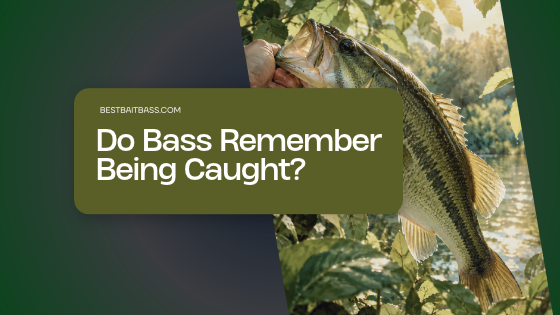
Do Bass Remember Being Caught? What Science Reveals About Bass Memory

November 8, 2026 By best bait bass

Have you ever fished a heavily pressured lake where largemouth bass seemed completely immune to your best lures? Every angler has experienced days when bass refuse to strike, leaving many to wonder what is happening beneath the surface. Are bass smarter than we give them credit for, or do they simply forget negative experiences moments after they happen?

For decades, a popular myth suggested that fish have only a three-second memory. Modern research, however, has thoroughly debunked this misconception. Studies on fish behavior have shown that many species are capable of learning from experience, recognizing patterns, and modifying their behavior in response to previous encounters.

For bass anglers, this raises an important question. If a bass has been hooked and released before, can it remember the experience and become harder to catch in the future? To answer that question, we need to explore bass biology, fish cognition, and the scientific research surrounding memory and learning in largemouth and smallmouth bass.

do bass remember being caught

How Fish Memory Works: Myths vs. Scientific Reality

To understand whether bass remember past encounters with anglers, we must first examine how fish memory works. For generations, people assumed fish operated purely on basic instinct with zero cognitive retention. When considering myths about fish memory: what does science say? Research proves conclusively that freshwater fish possess functional short-term and long-term memory capabilities.

Debunking the 3-Second Memory Myth

The idea that fish forget everything every three seconds is entirely false. Scientific experiments across various teleost species, including largemouth and smallmouth bass, demonstrate that fish can retain information for weeks, months, and even years. Studies show that fish can navigate complex mazes, remember spatial locations of food sources, and recognize specific predators long after their initial exposure.

Fish Brain Anatomy and Learning Capacity

While fish brain anatomy differs significantly from mammals, it is surprisingly sophisticated. Fish lack a mammalian cerebral cortex, but they possess a telencephalon and a well-developed cerebellum. The telencephalon handles associative learning and spatial memory, allowing bass to connect specific sensory cues—such as the vibration of a spinnerbait or the unnatural resistance of a fishing line—with negative experiences.

Do Bass Remember Being Caught and Learn to Avoid Lures?

The short answer is yes: evidence strongly suggests that largemouth bass can remember capture experiences and modify their behavior afterward. Extensive field experiments prove that long-term memory in largemouth bass plays a primary role in how they respond to fishing pressure over time.

Long-Term Memory in Largemouth Bass

In controlled fisheries experiments, researchers tagged individual largemouth bass and tracked their catch rates over extended periods. Several fisheries studies have shown that largemouth bass can become less susceptible to repeated capture on the same lure after catch-and-release events, suggesting a capacity for learning and lure avoidance. Researchers have documented lure avoidance behavior lasting from days to extended periods after capture.

Lure Conditioning and Pressured Waters

This phenomenon is known as lure conditioning. In heavily pressured public lakes, bass quickly learn to distinguish between natural prey and artificial lures. They accomplish this by associating lure traits—such as repetitive rattling sounds, unnatural metallic reflections, or stiff line movement—with the trauma of being hooked. This adaptive learning directly impacts catch-and-release fishing, making unpressured or natural-presentation techniques far more effective on smart, experienced fish.

Do Bass Feel Pain or Fear When Hooked?

One of the most intense debates in angling ethics centers around sensory perception: do bass feel pain or fear when hooked, and does the experience cause lasting psychological damage?

Pain Perception vs. Nociception in Bass Biology

To address whether fish feel pain, scientists distinguish between nociception (the physical detection of harmful stimuli) and the emotional experience of pain. Bass possess nociceptors—nerve endings that detect tissue damage, pressure, and temperature extremes. When hooked, a bass experiences physical stress and discomfort. However, because they lack the neocortex responsible for human conscious emotion, their reaction is primarily a physiological stress response rather than human-like emotional fear or psychological pain.

Stress in Caught Fish and Physiological Impacts

Even if bass do not feel conscious fear in the human sense, stress in caught fish is very real. Hooking, fighting, and air exposure trigger a surge of stress hormones like cortisol and lactate in the fish’s bloodstream. Elevated stress levels temporary impair swimming performance, immune response, and natural feeding habits. While catch-and-release fishing is generally non-lethal, improper handling can turn a temporary memory event into a fatal ordeal.

Practical Angler Tips: Minimizing Stress in Caught Fish

As responsible anglers, our goal is to enjoy sport fishing while ensuring the long-term health of the fishery. Understanding the impact of ‘catch-and-release’ experiences on fish behavior allows us to modify our techniques to keep fish healthy and minimize physiological trauma.

Handling Practice Impact on Bass Stress & Memory Best Technique / Tool
Fight Duration Extended fights increase physical exhaustion and lactic acid buildup, reducing recovery rates after release. Use appropriately heavy tackle to land bass quickly and minimize stress.
Air Exposure Prolonged time out of water reduces oxygen intake and can trigger significant physiological stress. Keep bass in the water whenever possible and limit photo sessions to a few seconds.
Hook Removal Deep-hooked fish may suffer internal injuries that affect survival and increase stress levels. Use barbless hooks or single inline hooks and carry long-nose pliers for quick hook removal.
Slime Coat Protection Handling with dry hands can damage the protective slime coat, increasing the risk of infection and disease. Always wet your hands before touching the fish and avoid placing it on dry surfaces.
Landing Nets Traditional nylon nets can damage fins and remove protective mucus. Use rubberized or silicone landing nets whenever possible.
Fish Support Improper lifting can strain the jaw and internal organs, especially in larger bass. Support the fish horizontally with both hands when taking photos.
Release Method Releasing a stressed bass too quickly may reduce its ability to recover and swim away safely. Hold the fish upright in the water until it regains strength and swims away on its own.

Bass Care Tip: Studies on catch-and-release bass fishing suggest that minimizing fight time, air exposure, and handling stress can improve a bass’s chances of recovery after release. Using proper handling techniques helps protect fish populations and supports sustainable bass fishing practices.

Best Practices for Catch-and-Release Fishing

  1. Land Fish Quickly: Avoid over-playing bass on light line. Prolonged fights exhaust energy reserves and dramatically increase post-release mortality.
  2. Wet Your Hands: Never touch a bass with dry hands, towels, or gloves, as this strips their protective slime coat, leaving them vulnerable to bacterial infections.
  3. Minimize Air Exposure: Treat the fish like a swimmer holding their breath. Keep air exposure under 30 seconds total.
  4. Use Quality Conservation Gear: Switch to rubberized nets and barbless hooks. If a bass is deep-hooked in the esophagus or gills, cut the line close to the eyelet rather than tearing out tissue.
  5. Support Large Fish Properly: Hold large bass vertically by the lower jaw, or support their belly horizontally with your second hand. Never bend a heavy bass’s jaw horizontally by the lip alone, as this can fracture their jaw bone.

Conclusion

Scientific evidence suggests that bass are far more capable of learning and adaptation than many anglers once believed. Research indicates that bass can remember capture experiences, develop lure avoidance behaviors, and adjust their feeding patterns in response to fishing pressure. Understanding these biological and behavioral mechanisms can help anglers refine their presentations and become more effective on heavily pressured waters.

Just as importantly, this knowledge reminds us that every catch-and-release encounter has an impact on the fish. By landing bass quickly, minimizing air exposure, using fish-friendly equipment, and handling fish responsibly, anglers can help ensure healthy bass populations and sustainable fisheries for future generations.

Frequently Asked Questions

Do bass remember being caught?

Research suggests that bass can learn from previous capture experiences and may become less likely to strike the same lure after being caught and released.

How long can a bass remember being caught?

Studies indicate that bass can retain learned associations for extended periods. The exact duration varies depending on environmental conditions and individual fish behavior.

Do bass learn to avoid specific lures?

Yes. This phenomenon is often referred to as lure conditioning. Bass exposed repeatedly to the same lures may become more cautious and less likely to strike them.

Can catch-and-release make bass harder to catch?

In heavily pressured waters, repeated catch-and-release encounters may influence bass behavior, causing some fish to become more selective and wary.

Do bass feel pain when hooked?

Bass possess nociceptors that detect harmful stimuli. While scientists continue to debate the nature of fish pain, bass clearly experience physical stress and injury when hooked.

Are bass intelligent fish?

Bass are capable of learning, recognizing patterns, adapting to fishing pressure, and remembering feeding locations, suggesting a higher level of behavioral adaptability than many anglers realize.

Why do bass stop biting after being caught?

After a stressful capture event, bass may temporarily reduce feeding activity and become more cautious toward similar lures or presentations.

What is lure conditioning in bass fishing?

Lure conditioning occurs when bass associate specific lure characteristics, such as sound, vibration, or appearance, with a previous negative experience and begin avoiding them.

Filed Under: Bass Fishing Questions Answered Tagged With: BASS FISHING, Catch and Release, Fish Behavior, Fishing Science, Lure Conditioning

Can Bass See in the Dark? Night Fishing Vision & Science Explained

November 2, 2026 By best bait bass

Night fishing for largemouth and smallmouth bass offers some of the most heart-pounding action an angler can experience. As the sun sets, the lake quiets down, boat traffic vanishes, and massive trophy bass leave their deep sanctuary to feed aggressively in shallow waters. However, every night angler eventually asks the fundamental question: Can bass see in the dark? Understanding how bass perceive their underwater world after nightfall is the secret to selecting the right lures, colors, and retrieve speeds.

While human eyes struggle in low light, bass are master nocturnal hunters equipped with specialized physical adaptations. They do not navigate night waters blindly. Instead, they utilize a combination of specialized optical biology and sensory perception that gives them a distinct advantage over their prey. In this guide, we will break down the science behind bass night vision, explain how light levels affect their hunting behavior, and share actionable tactics to help you land more fish after dark.

can bass see in the dark

Understanding Bass Vision: Can Bass See in the Dark?

To answer directly: yes, bass can see quite well in the dark, provided there is at least a minimal ambient light source. Whether illuminated by moonlight, starlight, or nearby dock lights, bass possess far superior low-light vision compared to humans. Their eyes have evolved to maximize whatever ambient light penetrates the water’s surface, allowing them to track moving prey with impressive accuracy.

However, it is crucial to understand that sight is only one part of their nocturnal hunting arsenal. While bass rely primarily on visual cues during bright mid-day hours, their visual reliance shifts at night. They use their eyes to locate contrast and silhouettes, but they rely heavily on auxiliary senses like the lateral line system and inner ear to detect vibrations and water displacement before striking.

Why Bass Can See So Well at Night: The Science of Predatory Vision

To truly grasp why bass can see so well at night, we must look into the biological structure of their eyes. Bass eyes share similarities with human eyes, but their internal sensory makeup is tuned specifically for aquatic low-light environments.

Rods vs. Cones in the Bass Eye

Like humans, the retina of a bass contains two main types of photoreceptor cells: cones and rods. Cones are responsible for color perception and high-resolution detail in bright light. Rods, on the other hand, are highly sensitive light detectors responsible for monochromatic vision in low-light conditions.

During the day, bass extend their cone cells forward while retracting rod cells to process vivid colors like green, red, and yellow. As ambient light fades during dusk, a biological process shifts the rod cells forward while pulling the color-sensitive cones back. This transition allows bass to capture maximum available light particles, enabling them to form sharp monochromatic images even in dim water.

Large Pupil Size and Fixed Lenses

Unlike humans, bass do not have irises that contract or dilate to control light entering the eye. Their pupils remain permanently wide open. This fixed, large pupil structure allows maximum light entry at all times, making them naturally adept at gathering light in low-visibility environments like murky water or deep moonlit bays.

The Lateral Line System: A Secondary Visual System

While not an actual optical organ, the lateral line acts as a visual map for bass in the dark. Running along both sides of the bass’s body, this specialized nerve network detects tiny pressure waves and vibrations in the water column. When a bass turns toward a lure in complete darkness, it is often reacting to a visual silhouette confirmed by its lateral line sensing the lure’s movement.

Can Bass See in Complete Darkness?

The short answer to whether can bass see in complete darkness is no—photoreceptors require photons of light to function. In absolute darkness, such as a sealed cave or a pitch-black laboratory tank with zero lux of light, a bass cannot see visually.

However, in nature, “complete darkness” rarely exists near the surface of natural bodies of water. Even on cloudy, moonless nights, ambient light from starlight, atmospheric glow, and shoreline reflection penetrates the top few feet of the water column. In these real-world conditions, bass still retain enough light to spot silhouettes above them.

Furthermore, even when visual acuity drops to near zero, bass still hunt effectively using sound and vibration. This is why topwater buzzbaits and noisy dark jigs remain highly effective on pitch-black nights.

What Do Bass Actually See at Night?

Anglers often wonder: what do bass actually see at night? Do they see colors, shapes, or just blurry shades of gray? Science shows that as light levels decline, color recognition fades rapidly. Bass lose the ability to distinguish subtle color variations such as green pumpkin vs. watermelon red.

Instead, bass see high-contrast silhouettes framed against the slightly brighter surface of the water or the night sky. To a bass looking upward at night, a dark lure stands out sharply against the ambient glow of the surface.

Black and Dark Colors: The Ultimate Night Choice

It might seem counterintuitive to use a black or dark blue lure at night, but black creates the strongest, crispest silhouette against a dim sky. Light-colored or clear lures allow light to pass through them, making them appear washed out and harder for bass to target in low light.

The Impact of Moonlight and Water Clarity

Moonlight plays a massive role in how far bass can see. On full moon nights, bass have significantly expanded sight distance and may target faster-moving lures in clear water. On dark or overcast nights, their visual field shrinks, requiring slower presentations that stay in their strike zone longer.

Night Condition Moonlight Level Potential Visibility Recommended Lure Types Recommended Color Palette
Full Moon / Clear Water High (75-100%) Higher Visibility Buzzbaits, Poppers, Spinnerbaits Solid Black, Dark Blue/Black, White (Topwater)
Half Moon / Partial Cloud Cover Medium (30-70%) Moderate Visibility Colorado Blade Spinnerbaits, Chatterbaits Black & Blue, Dark Purple, Junebug
New Moon / Heavy Overcast Minimal (0-20%) Limited Visibility Loud Wakebaits, Large Texas-Rigged Worms Jet Black, Solid Blue/Black with Rattles
Muddy or Stained Water Variable Very Limited Visibility Heavy Vibrating Jigs, Noisy Topwater Lures Black with Brass Rattles, High-Contrast Black/Red

Note: Visibility levels are general fishing guidelines based on available ambient light, water clarity, and bass sensory behavior. Bass also rely heavily on their lateral line system to detect vibration and movement when visibility is reduced.

Optimizing Your Night Fishing Strategy Based on Bass Vision

Knowing how bass see at night allows you to adjust your approach for maximum success. Here are proven tactics tailored to bass nocturnal vision mechanics:

1. Cast Toward the Ambient Light Source

When positioning your boat, keep the ambient light source (the moon or shoreline lights) behind the area you are fishing. Retrieve your lure so that it travels between the bass and the light. This maximizes the silhouette effect, making your lure easy for low-light hunting bass to spot.

2. Slow Down Your Retrieve

Because bass visual reaction distance is reduced at night, fast retrieves can cause fish to miss your bait entirely. Give bass extra time to home in on the lure by utilizing steady, methodical retrieves or adding extended pauses when fishing topwater lures or slow-rolling a jig.

3. Combine Vibration with Silhouette

Since bass pair their visual sight with their lateral line at night, the best lures offer both high contrast and strong vibration. Large Colorado blade spinnerbaits thump heavily in the water while casting a wide black shadow—making them one of the deadliest night fishing lures of all time.

Conclusion

Understanding whether bass can see in the dark comes down to recognizing their sensory balance. While bass cannot see in total biological darkness, their eyes are exceptionally adapted to pull in minimal ambient light, allowing them to locate targets using contrast and silhouettes. By pairing their impressive low-light vision with their sensory lateral line, bass remain lethal apex predators long after sunset.

To catch more bass at night, simplify your tackle box. Choose dark, high-contrast colors like black and dark blue, select lures that push water and generate sound, and slow down your retrieve. Put these science-backed techniques to work on your next late-night outing and experience the thrill of explosive nocturnal bass strikes!

Filed Under: Bass Fishing Questions Answered Tagged With: Bass Behavior, Bass Facts, BASS FISHING, Bass Science, Bass Vision, Fishing Techniques, Largemouth Bass, Night Fishing

  • Page 1
  • Page 2
  • Page 3
  • Interim pages omitted …
  • Page 8
  • Go to Next Page »

Footer

Categories

  • Bass Fishing (21)
  • Bass Fishing Questions Answered (6)
  • Best bass lures (12)
  • Best Bass Lures By Season (4)
  • Best Reels (2)
  • Crankbait (2)
  • Fishing Gear (2)
  • Fishing Techniques (2)
  • Jerkbaits (1)
  • Jigs (1)
  • Spinnerbaits (2)
  • Swimbaits (2)
  • Topwater lures (2)
  • Worms (1)
can bass smell bait

Can Bass Smell Bait? Understanding Bass Olfaction and How It Affects Your Catch Rate

Why Do Bass Jump

Why Do Bass Jump? The Science Behind Bass Leaping Behavior

can bass see fishing line

Can Bass See Fishing Line? The Ultimate Guide to Line Visibility

do bass remember being caught

Do Bass Remember Being Caught? What Science Reveals About Bass Memory

Products

  • sougayilang fishing full kit with telescopic carbon fishing rod and spinning left/right hand fishing reel Sougayilang Fishing Full Kit with Telescopic Carbon Fishing Rod and Spinning Left/Right Hand Fishing Reel
  • TRUSCEND fishing lures for bass TRUSCEND Top Water Plopper Fishing Lures for Bass
  • kastking assassin 5.7 oz carbon baitcasting reel with four carbon fiber disk system max drag 16.5 lb and dual brake system magnetic + 6-pin centrifugal KastKing Assassin 5.7 OZ Carbon Baitcasting Reel with Four Carbon Fiber Disk System Max Drag 16.5 LB and Dual Brake System Magnetic + 6-PIN Centrifugal
  • Fishing Gear Set Equipment for Bass and Trout Unleash Your Angling Potential with the PLUSINNO 397-Piece All-in-One Fishing Kit
  • penn ssv6500 boxed spinfisher v spinning fishing reel with ht-100 slammer drag system Penn SSV6500 Boxed Spinfisher V Spinning Fishing Reel with HT-100 Slammer Drag System

Tags

BASS BASS BAIT BASS BAITS Bass Behavior Bass Facts BASS FISHING BASS FISHING BAITS BASS FISHING LURES Bass Fishing Tips bass jigs BASS LURE BASS LURES Bass Science Bass Senses BEST BAIT FOR BASS FISHING BEST BAITS FOR BASS BEST BAITS FOR BASS FISHING BEST BASS FISHING BAIT BEST BASS FISHING LURE BEST LURE FOR BASS BEST LURES FOR BASS BEST LURES FOR BASS FISHING Catch and Release cold water fishing Cold Water Tactics deep water bass Finesse Fishing Fish Behavior fishing gear fishing reels Fishing Techniques fishing tips Fluorocarbon vs Braid Kayak Fishing Largemouth Bass Line Visibility Ned Rig Smallmouth Bass Soft Plastics SPINNERBAIT Swimbaits TEXAS RIG Topwater lures vertical jigging winter bass fishing

© 2026 Best Bass Fishing Lures
 · Powered by BestBaitBass.com