If you’ve ever watched a bass follow your lure only to turn away at the last second, you’ve probably wondered what went wrong. Was it the lure’s action? The retrieve speed? Or did the fish detect something that simply didn’t seem right?
Many anglers focus almost entirely on sight and vibration when trying to trigger strikes, but bass use more than their eyes to evaluate potential prey. One of the most overlooked senses in bass fishing is smell. Understanding how bass detect chemical signals in the water can help you make better decisions when choosing lures, attractants, and presentations.
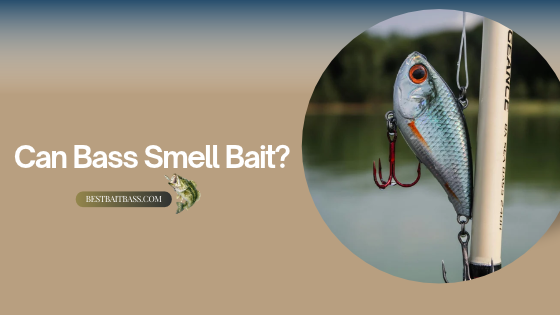
So, can bass smell bait?
The short answer is yes. Bass possess a surprisingly sophisticated sense of smell that helps them locate food, identify potential prey, and gather information about their environment.
The Science of Bass Olfaction
Bass use specialized sensory organs to detect chemical compounds dissolved in water.
Unlike humans, fish don’t smell by inhaling air. Instead, water continuously flows through structures on the fish’s snout called nares, exposing sensory cells to chemicals carried through the water.
This allows bass to gather valuable information even when visibility is poor.
How Bass Nares Work
Bass have two openings on each side of the snout:
- An anterior opening where water enters
- A posterior opening where water exits
As water passes through these structures, specialized sensory receptors analyze chemical compounds in the surrounding environment.
This system allows bass to detect:
- Potential food sources
- Injured prey
- Biological activity
- Environmental changes
In many situations, a bass is effectively “sampling” the water around it as it moves through its habitat.
Can Bass Smell Bait?
Absolutely.
Bass can detect many of the chemical compounds naturally released by prey species.
These include:
- Amino acids
- Biological oils
- Proteins
- Other organic compounds released by baitfish, crayfish, worms, and aquatic organisms
Because bass naturally encounter these chemical cues while feeding, they often associate them with potential food sources.
This is one reason many soft-plastic manufacturers infuse their lures with scent attractants.
Does Scent Really Make a Difference?
This is where many anglers disagree.
While scent alone rarely makes a bass chase a lure across the lake, it can influence what happens after the fish approaches the bait.
In many situations:
- Vision gets the fish’s attention.
- Vibration helps the fish locate the target.
- Scent helps confirm whether the object resembles food.
Think of scent as the final piece of information rather than the primary trigger.
How Bass Use Different Senses
| Sensory System | Primary Purpose | Most Important When |
|---|---|---|
| Vision | Detect prey visually | Clear water and daylight conditions |
| Lateral Line | Detect vibration and water movement | Stained water and low visibility |
| Smell | Evaluate chemical cues and food signals | Slow presentations and close-range inspections |
| Hearing | Detect underwater sounds and disturbances | Low-visibility environments |
Key Takeaway: Bass rarely rely on a single sense. Successful feeding behavior usually involves a combination of vision, vibration, smell, and environmental awareness.
Can Largemouth Bass Smell Worms?
Yes.
Natural worms release amino acids and organic compounds that bass can detect.
This sensitivity to biological chemicals is one reason why live bait often remains effective. Even when fish are reluctant to feed, natural bait continues releasing scent into the surrounding water.
Artificial lure manufacturers attempt to replicate this response through scented plastics, gels, and attractants designed to imitate natural prey odors.
Can Bass Smell Human Scent?
This is one of the most debated subjects in bass fishing.
Many anglers believe substances such as:
- Sunscreen
- Insect repellents
- Gasoline
- Tobacco residue
- Hand lotions
can negatively affect lure performance.
Bass can certainly detect foreign chemicals in the water. However, the extent to which common human odors consistently reduce catch rates remains unclear and often varies depending on fishing conditions.
Even so, many experienced anglers prefer to minimize unnecessary odors and handle baits with clean hands whenever possible.
Choosing the Right Scented Products
There are several ways to incorporate scent into your presentation.
Scent-Impregnated Soft Plastics
Many modern soft plastics are manufactured with scent and salt already embedded into the bait.
These lures release chemical attractants gradually during use.
Scent Sprays and Gels
Sprays and gels can be applied directly to lures before fishing.
Many anglers reapply scent throughout the day to maintain effectiveness.
Scented Dyes
Some lure dyes also contain attractants such as garlic scent, combining visual and chemical attraction in a single product.
When Does Scent Matter Most?
Scent tends to be most effective when bass have time to closely inspect a lure.
This often occurs during finesse fishing presentations.
Examples include:
- Drop Shot Rigs
- Texas Rigs
- Ned Rigs
- Wacky Rigs
- Shaky Heads
In these situations, bass frequently spend more time evaluating the bait before committing.
Cold-Water Conditions
In colder water, bass are generally less aggressive and less willing to chase.
A slower presentation combined with a realistic scent profile may help convince hesitant fish to bite.
Tips for Fishing with Scent
Reapply Regularly
Scent wears off over time, especially after multiple casts or fish catches.
Slow Down Your Presentation
A scent trail becomes more effective when bass have time to investigate the lure.
Match the Forage
Choose scent profiles that resemble common forage in your local fishery.
Keep Baits Clean
Avoid unnecessary contact with fuels, chemicals, and heavily scented products before fishing.
Related Bass Questions
Frequently Asked Questions
Can bass smell bait?
Yes. Bass possess specialized olfactory organs that allow them to detect chemical compounds dissolved in the water.
Can bass smell worms?
Yes. Bass can detect amino acids and other compounds naturally released by worms and similar prey.
Can bass smell human scent?
Bass can detect foreign chemicals in the water, although anglers continue to debate how much these scents affect strike rates.
Can bass smell garlic?
Yes. Garlic-based attractants are commonly used in bass fishing and are designed to provide additional chemical cues.
Does scent help catch more bass?
Scent may improve lure acceptance in certain situations, particularly when bass have time to closely inspect the bait.
Do bass rely more on smell or sight?
In clear water, sight is often the dominant sense. In stained or muddy conditions, bass depend more heavily on vibration, scent, and other sensory cues.
Conclusion
Can bass smell bait?
Without question, yes. Bass possess a well-developed sense of smell that helps them gather information about potential prey and their surrounding environment. While scent is rarely the primary trigger for a strike, it can serve as an important confirmation signal that encourages a fish to commit to a lure.
The most successful anglers understand that bass use multiple senses simultaneously. By combining realistic lure action, vibration, visual appeal, and scent, you create a more convincing presentation that increases your odds of triggering a strike.
Rather than viewing scent as a magic solution, think of it as another tool that can help turn curious followers into committed biters, especially when fishing conditions are challenging.